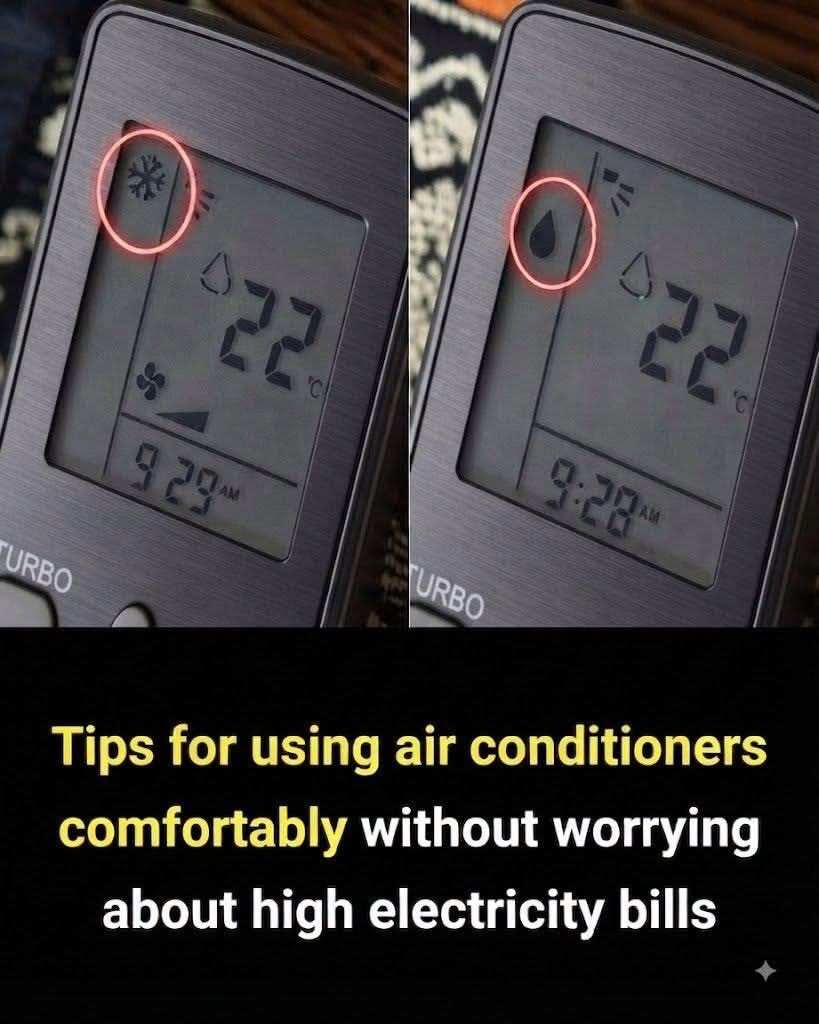
HT3. Tips for using air conditioners comfortably without worrying about electricity costs 7Min to read 0 View 7 Simple Air Conditioner Tips That May Help Lower Your Electricity Bill When temperatures rise, air conditioning can make a home far more comfortable. But that comfort can come at a cost. After weeks of running the unit during hot weather, many households notice their electricity bills climbing faster than expected. The good news is that staying cool does not necessarily mean running the air conditioner at its lowest temperature all day. A few practical changes to temperature settings, airflow, window coverings, and routine maintenance may help reduce unnecessary energy use without sacrificing comfort. Here are seven simple ways to make your air conditioner work more efficiently. 1. Choose a Comfortable Temperature Instead of the Lowest Setting One common mistake is setting the air conditioner to an extremely low temperature in the hope that the room will cool down faster. In many systems, choosing a lower target temperature does not make the unit cool the room proportionally faster. Instead, it can make the system run longer before reaching the desired temperature, increasing energy consumption. A practical starting point is around 25–26°C during the day, adjusting according to personal comfort, humidity, and outdoor conditions. Some households may prefer a slightly cooler setting, while others can remain comfortable at a higher temperature. At night, experiment with a setting that supports comfortable sleep without unnecessarily cooling an empty room. A temperature around 26–28°C may work for some people, although individual needs and local weather conditions vary. The key is to find the warmest setting at which everyone in the household remains comfortable. It is also worth remembering that air conditioners do not all operate in the same way. Inverter models, for example, can adjust compressor output rather than repeatedly switching between full power and complete shutdown. Follow the manufacturer’s guidance and choose settings that suit the equipment you have. 2. Use the Correct Operating Mode for the Weather Most air conditioners offer several operating modes, including Cool, Dry, Fan, and sometimes Auto. Understanding the difference can help you choose the right setting. Cool mode is generally the best choice when the main problem is high indoor temperature. The system removes heat from the room and releases it outside. Dry mode focuses on reducing humidity. It may improve comfort when the air feels damp or sticky, but it is not necessarily the best option during extreme heat. Its cooling performance varies by model and operating conditions. Fan mode circulates indoor air without providing the same active cooling as the compressor-based cooling cycle. It can help move air around, but it will not substantially lower the room’s temperature when the room itself is hot. Auto mode may also be useful if the unit can automatically manage operation according to the selected settings. Rather than switching modes repeatedly throughout the day, consider the actual conditions inside your home. If the room is hot, Cool mode is usually the most straightforward option. If the temperature is already comfortable but humidity remains unpleasant, Dry mode may be worth trying if your unit supports it. 3. Let the Fan Distribute Cool Air Effectively Airflow plays an important role in how comfortable a room feels. If cool air remains concentrated near the air conditioner while other parts of the room feel warm, the space may not feel evenly cooled. Adjusting the direction of the air outlets can help distribute air more effectively. The Auto fan setting can be a convenient starting point because the unit manages fan operation according to its design. However, the best setting depends on the model, room layout, and personal preferences. Avoid blocking the indoor unit with furniture, curtains, or decorative objects. Restricted airflow can affect performance and make it harder for the system to condition the room properly. For rooms with uneven temperatures, improving airflow may be more useful than immediately lowering the thermostat. 4. Keep Heat from Entering Through Windows and Doors Even an efficient air conditioner has to work harder when warm outdoor air continually enters the room. Keep exterior doors and windows closed while cooling is in progress, unless ventilation is needed for safety or indoor air quality. Check for noticeable gaps around doors and windows, as sealing air leaks can help maintain a more stable indoor temperature. Sunlight is another major source of indoor heat. During the hottest part of the day, close curtains, blinds, or shades on sun-facing windows. Thermal curtains or exterior shading may offer additional benefits, depending on the window design and climate. If sunlight regularly heats one room more than others, consider whether furniture placement or a different cooling schedule could help. These changes are relatively simple, but they can reduce the amount of heat entering the home and help the air conditioner maintain a comfortable temperature. 5. Use a Ceiling or Standing Fan Alongside the Air Conditioner A fan can make a room feel cooler by increasing air movement across the skin. This may allow you to set the thermostat a little higher while maintaining a similar level of personal comfort. Ceiling fans and standing fans generally use much less electricity than air conditioners, although consumption varies by model and speed setting. For example, a ceiling fan can help distribute cool air across a living room, while a standing fan may be useful in a bedroom or home office. There is one important detail: fans primarily cool people, not empty rooms. They do not remove heat from the room in the way an air conditioner does. Turn them off when nobody is present to benefit from the airflow. When used thoughtfully, fans can improve comfort without requiring the air conditioner to operate at an unnecessarily low temperature. 6. Clean the Air Filters Regularly Air filters collect dust, lint, and other airborne particles as the air conditioner operates. Over time, a dirty filter can restrict airflow and make the system work less effectively. Depending on the equipment and the condition of the filter, this may contribute to higher energy consumption or reduced cooling performance. During periods of frequent use, inspect the filters regularly. Some manufacturers recommend cleaning them approximately every two weeks under heavy-use conditions, but the correct interval depends on the model, indoor air quality, pets, and the amount of dust in the home. If the manual permits washing, clean the filter as directed and let it dry completely before reinstalling it. Replace disposable filters rather than attempting to wash them. Always follow the manufacturer’s instructions and disconnect power where required before accessing internal components. A clean filter is not a substitute for proper servicing, but it is one of the easiest maintenance tasks homeowners can perform themselves. 7. Schedule Professional Maintenance When Needed Routine maintenance can help an air conditioner remain reliable and operate as intended. A qualified technician can inspect components that are not easily accessible to homeowners, including the condensate drainage system, coils, electrical connections, and refrigerant system where appropriate. There is no single servicing schedule that suits every air conditioner. Some systems may benefit from professional attention once a year, while others used heavily in hot or dusty environments may need more frequent inspections. Rather than automatically scheduling a full service every four to six months, consult the manufacturer’s recommendations and consider how intensively the unit is used. You should also pay attention to warning signs, such as unusually weak airflow, persistent water leakage, strange noises, unpleasant odors, or a noticeable decline in cooling performance. If the air conditioner no longer cools properly, avoid repeatedly lowering the thermostat in an attempt to compensate. A maintenance issue may need to be identified and corrected first. How Much Can These Changes Save? The savings depend on several factors, including the size and efficiency of the air conditioner, outdoor temperatures, electricity prices, insulation, room size, and how many hours the system operates each day. There is no universal percentage that every household can expect to save. However, combining sensible temperature settings with better shading, effective airflow, and regular filter cleaning can reduce avoidable energy use in many situations. For a simple starting point, try these changes over the next week: Set the thermostat to a comfortable, moderate temperature. Close curtains on windows receiving strong direct sunlight. Keep doors and windows closed while cooling. Use a fan only when someone is in the room. Inspect and clean the filter according to the manufacturer’s instructions. Check your electricity consumption against a comparable period, accounting for differences in weather and usage. Making one change at a time can also help you understand which habits have the greatest effect in your own home. Stay Cool Without Wasting Electricity An air conditioner is an important source of comfort during hot weather, but using it efficiently involves more than choosing a number on the remote control. The temperature setting, operating mode, airflow, amount of sunlight entering the room, and condition of the equipment all influence performance. Small improvements in several areas may work together to make a noticeable difference. Start with the easiest adjustments, maintain the system according to its instructions, and avoid sacrificing comfort or safety simply to reduce electricity use. With a few sensible habits, households can create a cooler, more comfortable living environment while keeping energy consumption under better control. Editorial note: Energy savings vary by equipment, climate, household habits, and electricity rates. Temperature suggestions are general guidance rather than universal requirements; follow the manufacturer’s instructions and prioritize safe indoor conditions, especially for children, older adults, and people sensitive to heat. adlighOctober 23, 2026Life Style