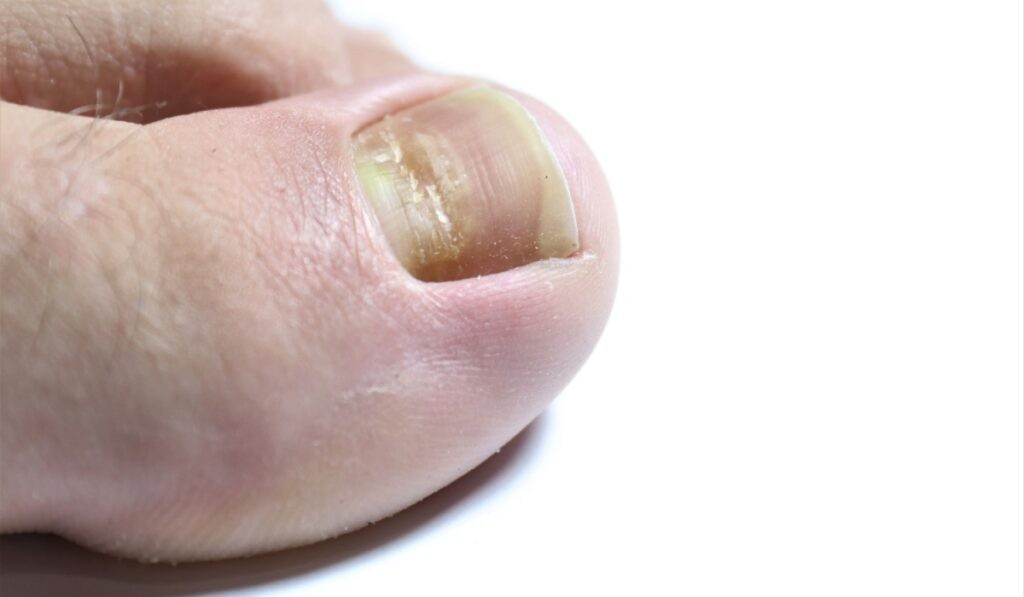
7 Nail Changes That Could Reveal Clues About Your Health
Your fingernails may seem like a small detail, but they can sometimes offer valuable clues about your overall health. Beyond their appearance, nails depend on a steady supply of nutrients and blood flow to grow properly. Certain illnesses, nutritional deficiencies, medications, and changes in the body’s normal functions can affect how they look and develop.
From deep grooves and unusual discoloration to changes in nail shape, some abnormalities deserve more attention than others.
However, a nail change does not automatically mean you have a serious medical condition. Many changes are harmless or caused by everyday factors such as aging, minor injuries, nail polish, or fungal infections. The key is to recognize unusual or persistent changes and know when to seek medical advice.
Here are seven nail changes worth understanding—and what they may mean for your health.
1. Beau’s Lines: When Nail Growth Is Interrupted
Beau’s lines are horizontal grooves that run across the nail from one side to the other. They develop when nail growth temporarily slows or stops, often because something has disrupted the nail-producing tissue beneath the cuticle.
Possible causes include severe infections, high fevers, major physical stress, certain medications, chemotherapy, and significant illness.
Because fingernails grow gradually, the grooves may become visible weeks after the event that caused them. Their position can sometimes help a healthcare professional estimate when the disruption occurred.
In some cases, a severe interruption in nail growth can cause the nail to separate or shed, a condition known as onychomadesis.
When should you be concerned?
A single groove following a known illness may eventually grow out as the nail grows. However, multiple nails developing deep grooves without an obvious explanation may warrant medical evaluation.
If the changes keep returning, or you notice other symptoms such as persistent fatigue, fever, or unexplained weight loss, speak with a healthcare professional.
2. Clubbing: A Change in Nail Shape That Deserves Attention
Nail clubbing occurs when the fingertips become enlarged and the nails curve more noticeably around the fingertips. The nail may appear unusually rounded or bulging, and the angle where the nail meets the skin can change.
Unlike ordinary nail curvature, clubbing generally develops gradually.
It can sometimes be associated with conditions affecting the lungs, heart, digestive system, or liver. Certain chronic lung diseases and some heart conditions are among the possible causes. In other cases, clubbing runs in families and is not associated with an underlying illness.
Possible accompanying symptoms depend on the cause and may include shortness of breath, persistent coughing, unusual fatigue, or reduced exercise tolerance.
What should you do?
If your fingertips or nails have recently changed shape, arrange a medical assessment rather than assuming the change is harmless.
Seek urgent medical attention if a new nail abnormality occurs alongside severe chest pain, sudden difficulty breathing, or fainting.
Clubbing is not proof of heart disease, but newly developed clubbing should not be ignored.
3. Spoon-Shaped Nails: A Possible Sign of Iron Deficiency
Spoon-shaped nails, medically called koilonychia, have a thin, flattened appearance with edges that curve upward, creating a shallow depression in the center.
In pronounced cases, the nail may resemble a tiny spoon.
One recognized cause is iron-deficiency anemia, a condition in which the body does not have enough iron to produce the hemoglobin needed to carry oxygen in the blood.
Iron deficiency can develop for several reasons, including insufficient dietary iron, heavy menstrual bleeding, pregnancy-related iron requirements, impaired iron absorption, or blood loss from the digestive tract.
Other possible symptoms of iron-deficiency anemia include:
-
Persistent tiredness or weakness.
-
Pale skin.
-
Headaches or dizziness.
-
Shortness of breath during activity.
-
Difficulty concentrating.
However, not everyone with iron deficiency develops spoon-shaped nails, and not everyone with spoon-shaped nails has iron-deficiency anemia.
If you notice this change, a healthcare professional may recommend blood tests to assess your hemoglobin and iron status. Treatment depends on the underlying cause and may involve dietary adjustments or prescribed iron supplements.
Avoid taking high-dose iron supplements without appropriate medical guidance, because excess iron can be harmful and not all anemia is caused by iron deficiency.
4. Nail Pitting: Small Dents That May Be Linked to Skin Conditions
Have you noticed tiny dents or pinprick-like depressions on the surface of your nails?
This appearance is known as nail pitting. It occurs when the nail-producing area is affected, creating small defects as the nail grows.
Nail pitting is commonly associated with psoriasis, an inflammatory condition that can affect the skin and nails. It may also occur with alopecia areata, an autoimmune condition that causes patchy hair loss.
Other nail changes associated with these conditions may include roughness, discoloration, crumbling, or separation of the nail from its underlying bed.
Look for other possible symptoms, such as:
-
Thickened skin with silvery or scaly patches.
-
Red, itchy, or inflamed areas of skin.
-
Smooth, round patches of hair loss.
-
Nails that become brittle or separate from the skin beneath them.
Mild pitting does not necessarily require treatment, especially if it is not causing discomfort. However, persistent or widespread changes may benefit from evaluation by a dermatologist.
Treatment depends on the cause and may include prescription topical medications or other therapies for the underlying condition. There is no single treatment that is appropriate for every case of nail pitting.
5. A Dark Streak Beneath the Nail: When to Rule Out Melanoma
A dark brown or black vertical streak running from the base of the nail toward its tip is sometimes caused by a condition called longitudinal melanonychia. It can result from increased pigment production, medication effects, minor trauma, or other noncancerous causes.
However, in some cases, a dark streak can be a sign of nail melanoma, a rare type of melanoma that develops in the nail unit.
This is one nail change that deserves particular attention because early evaluation can be important if cancer is present.
Warning signs include:
-
A new dark streak affecting one nail without an obvious explanation.
-
A streak that becomes wider, darker, or more irregular over time.
-
Uneven colors within the streak.
-
Pigment extending onto the surrounding skin near the nail.
-
Nail splitting, distortion, or unexplained bleeding.
Not every dark streak is melanoma, and its appearance alone cannot establish a diagnosis. Some people naturally have nail pigmentation, particularly those with darker skin tones.
Nevertheless, a new or changing dark streak should be assessed promptly by a dermatologist, especially if it affects a single nail or continues to evolve.
Do not wait for pain to develop. Nail melanoma may not cause pain in its early stages.
6. Terry’s Nails: When Most of the Nail Looks White
Terry’s nails are characterized by a predominantly pale or white nail bed, often with a narrow pinkish or reddish band near the tip.
The appearance is thought to involve changes in the tissues beneath the nail, rather than simply a change in the nail plate itself.
Terry’s nails can occur with aging, but they have also been associated with certain chronic medical conditions, including liver disease, heart failure, diabetes, and other systemic illnesses.
Additional symptoms, if present, depend on the underlying condition. For example, liver disease may cause fatigue, reduced appetite, abdominal swelling, or yellowing of the skin and eyes.
However, the appearance of Terry’s nails alone cannot determine whether someone has liver disease or another specific condition.
When should you seek medical advice?
If most of your nails have recently become unusually pale, especially if the change is accompanied by fatigue, swelling, or other unexplained symptoms, arrange a medical assessment.
If your skin or the whites of your eyes turn yellow, seek prompt medical attention.
A healthcare professional can consider your medical history, examine your nails, and recommend further tests if needed.
7. Yellow Nails: From Fungal Infections to Other Health Problems
Yellow nails are relatively common and often have a straightforward explanation.
Frequent use of dark nail polish can temporarily stain the nail plate. Fungal infections can also cause yellowing, especially when the affected nails become thick, brittle, crumbly, or separated from the nail bed.
Other possible causes include psoriasis, certain medications, and less commonly, systemic conditions affecting the body.
A rare condition known as yellow nail syndrome can cause slowly growing yellow nails, thickening of the nails, and respiratory or lymphatic problems. It is uncommon and should not be confused with ordinary nail discoloration.
If your nails turn yellow, consider whether nail polish, smoking, or a possible fungal infection could explain the change.
However, consult a healthcare professional if the discoloration persists, spreads, affects several nails without an obvious cause, or occurs alongside pain, swelling, or nail separation.
Fungal nail infections can take months to clear because treatment must allow healthy nail to grow out. A clinician may examine a nail sample before recommending antifungal treatment, since not every yellow nail is caused by fungus.
How to Monitor Your Nail Health
You do not need to inspect your nails obsessively to benefit from noticing changes. A quick check while washing your hands or trimming your nails is often enough to spot something unusual.
Here are a few simple habits that can help:
Keep your nails clean and dry. This can help reduce the risk of certain infections.
Avoid repeated nail trauma. Aggressive manicures, biting, picking, and excessive use of harsh products can damage the nail plate and surrounding skin.
Eat a balanced diet. Adequate protein, iron, and other essential nutrients support normal nail growth. Supplements are generally unnecessary unless a deficiency or another specific need has been identified.
Pay attention to changes over time. A photograph can help you track whether a discoloration, groove, or change in shape is growing out, remaining stable, or becoming more pronounced.
Seek professional advice when necessary. New, unexplained, persistent, or worsening nail abnormalities deserve evaluation, especially when accompanied by other symptoms.
Remember that nails grow slowly. Even after the underlying cause has been addressed, visible changes may take weeks or months to disappear as healthy nail grows in.
Can Your Nails Really Reveal What’s Happening Inside Your Body?
Yes, sometimes—but their clues have limits.
Nails can reflect disruptions in nail growth, nutritional deficiencies, infections, inflammatory skin conditions, and occasionally more serious systemic illnesses. In certain circumstances, they may provide an early reason to seek medical attention.
But nails cannot reliably diagnose a disease on their own. Similar-looking changes may have very different causes, and many people with unusual nails have no serious underlying health problem.
The most useful approach is to consider nail changes alongside your medical history, other symptoms, and a professional examination when appropriate.
Final Thoughts: Don’t Ignore Changes, but Don’t Panic Either
Your fingernails are more than a cosmetic feature. Their shape, texture, and color can sometimes provide useful information about your health.
Deep horizontal grooves may follow a serious illness. Spoon-shaped nails can be associated with iron deficiency. Nail pitting may occur with psoriasis, while a new dark streak deserves prompt assessment to rule out melanoma.
At the same time, not every ridge, spot, or color change signals a medical problem.
The goal is not to become alarmed by every small imperfection. It is to recognize significant changes, avoid self-diagnosis, and seek appropriate medical advice when something seems unusual.
A few minutes of occasional observation may help you notice a problem worth discussing with your doctor—without turning your nails into a source of unnecessary worry.
Medical disclaimer: This article is for general educational purposes and is not a substitute for professional medical advice, diagnosis, or treatment. Seek medical attention for new or unexplained nail changes, particularly a changing dark streak or nail abnormalities accompanied by other symptoms.