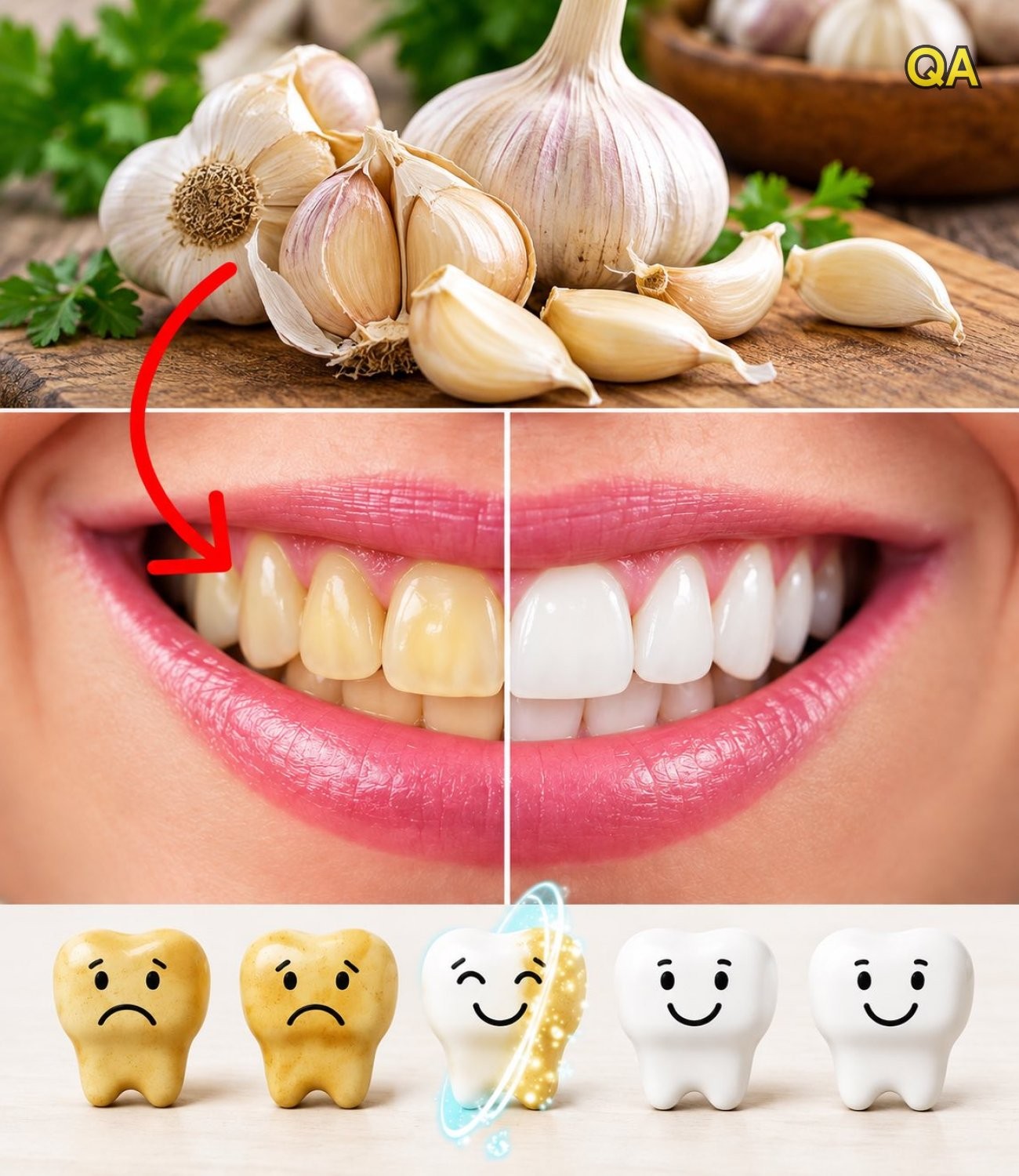
Can Garlic Improve Your Oral Health? Benefits, Risks, and What Dentists Recommend
Garlic is well known for its distinctive flavor and potential health benefits, but can this common kitchen ingredient also help keep your teeth and gums healthy? Thanks to compounds such as allicin, garlic has attracted scientific interest for its antimicrobial properties. However, that does not mean applying raw garlic directly to your teeth is a safe or effective dental treatment.
If you are looking for natural ways to support a healthy smile, here is what you should know about garlic, oral bacteria, plaque buildup, and safer ways to care for your teeth and gums.
1. Why Is Garlic Associated With Oral Health?
Garlic contains sulfur-containing compounds, including allicin, which forms when fresh garlic is crushed or chopped. Research has investigated allicin for its potential antimicrobial effects against certain microorganisms.
These findings have led to interest in garlic as a possible natural ingredient for health-related applications. However, laboratory evidence does not automatically prove that garlic can prevent cavities, treat gum disease, or remove dental plaque when used at home.
The key takeaway: Garlic can be part of a balanced diet, but it should not replace proven oral hygiene practices or professional dental treatment.
2. Can Garlic Remove Plaque and Tartar?
Plaque is a sticky film of bacteria that continually forms on the surfaces of your teeth. When it is not removed regularly, it can harden into tartar, also known as dental calculus.
Although garlic has compounds with antimicrobial activity, there is insufficient clinical evidence to recommend raw garlic paste or homemade garlic mouthwash as a reliable way to remove plaque or prevent tartar buildup.
According to the American Dental Association, hardened tartar cannot be removed through ordinary brushing or flossing alone. A dental professional must remove it with appropriate instruments.
For everyday plaque control, brush twice daily with fluoride toothpaste and clean between your teeth once a day using dental floss or another suitable interdental cleaner.
3. Is It Safe to Apply Raw Garlic to Your Teeth and Gums?
Despite claims circulating online, applying crushed raw garlic directly to your teeth or gums is not recommended.
Raw garlic can irritate sensitive oral tissues and may cause chemical burns, blistering, or ulceration. Medical literature has documented cases of oral injuries associated with placing crushed garlic directly against the mouth’s soft tissues.
Leaving garlic on your gums for several minutes—or for longer periods—can increase the risk of irritation. Adding salt does not make this practice a proven or safer dental treatment.
If you have a toothache, swollen gums, or signs of infection, do not rely on garlic to treat the underlying problem. Arrange a dental examination, especially if the pain persists or worsens.
4. What About Homemade Garlic Mouthwash?
Some online remedies recommend crushing garlic, steeping it in warm water, and using the strained liquid as a mouthwash.
However, homemade garlic water has not been established as a safe, effective substitute for a properly formulated oral rinse. Its concentration can vary, and there is no reliable evidence that it removes tartar or prevents gum disease.
For a simple everyday rinse, plain water is a safer choice. If you need additional help managing plaque, bad breath, or gum inflammation, ask your dentist whether a commercially formulated mouthwash is appropriate for your needs.
Avoid using apple cider vinegar as a mouthwash to eliminate garlic breath. Its acidity can contribute to enamel erosion, particularly with repeated exposure.
5. How to Reduce Garlic Breath Naturally
Garlic can cause noticeable breath odor because its sulfur-containing compounds contribute to the characteristic smell. The odor may persist after eating because some compounds are absorbed and later released through the breath.
If you enjoy garlic but want to minimize its effects on your breath, try these practical tips:
-
Drink water: Staying hydrated helps prevent dry mouth, which can contribute to unpleasant breath.
-
Brush your teeth regularly: Use fluoride toothpaste and clean your tongue gently.
-
Clean between your teeth: Flossing helps remove food debris and plaque from areas a toothbrush cannot reach.
-
Eat fresh herbs if you enjoy them: Parsley or mint may help freshen the taste in your mouth, although they may not eliminate garlic odor completely.
-
Allow time for the odor to fade: Garlic-related breath can persist even after brushing because some odor-producing compounds come from within the body.
If bad breath continues despite good oral hygiene, consult a dentist. Persistent halitosis can be associated with gum disease, tooth decay, dry mouth, or other health conditions.
6. Simple, Evidence-Based Habits for Healthy Teeth and Gums
You do not need an unusual kitchen remedy to maintain a healthy smile. Consistent daily care is more reliable and better supported by dental evidence.
Follow these habits:
-
Brush your teeth twice a day for two minutes with fluoride toothpaste.
-
Clean between your teeth daily using floss or an appropriate interdental cleaner.
-
Limit frequent sugary snacks and drinks.
-
Drink water regularly, particularly when your mouth feels dry.
-
Schedule dental checkups and professional cleanings as recommended.
-
Seek dental care for persistent tooth pain, bleeding gums, swelling, or sensitivity.
These steps help control plaque, lower the risk of tooth decay, and support healthier gums over time.
Final Thoughts: Garlic Is Food, Not a Replacement for Dental Care
Garlic contains interesting compounds that scientists continue to study, but its potential antimicrobial properties should not be confused with proven dental benefits. There is no good reason to risk irritating or burning your gums by applying raw garlic directly to your teeth.
Enjoy garlic in your meals if you like its flavor, and focus on fluoride toothpaste, daily interdental cleaning, and regular dental visits to protect your smile.
Important health note: This article is for educational purposes only and does not replace advice from a qualified dentist. If you experience persistent tooth pain, gum swelling, mouth sores, or other concerning symptoms, seek professional dental care.