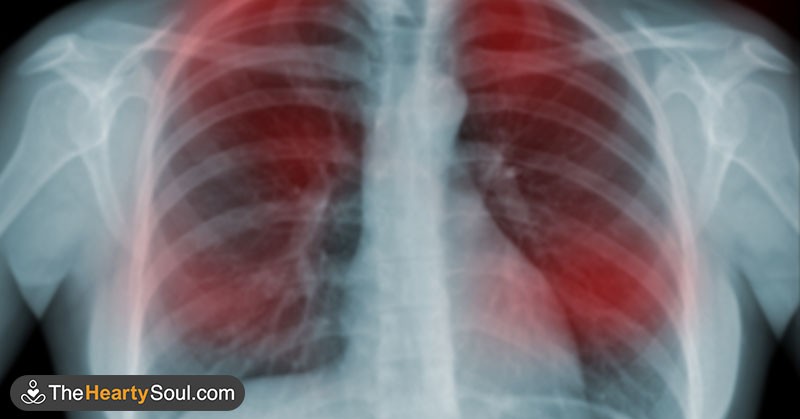
Early Warning Signs of Cancer: Recognizing the Body’s Signals
Cancer remains a global challenge, affecting millions of individuals each year. Despite advances in medical technology, early detection continues to play a pivotal role in improving survival rates and outcomes. While laboratory tests and screenings are essential tools, the human body itself often provides essential clues. This article provides an analytical and informative overview of early cancer warning signs, drawing on credible research and expert advice. Understanding these subtle symptoms, visible bodily changes, and pain indicators is crucial for timely diagnosis and intervention.
Listening to Your Body: Why Awareness Matters
Your body is a remarkable system capable of alerting you to changes that could indicate disease, including cancer. Experts emphasize that many cancers, when detected early, are easier to treat and more likely to have positive outcomes. That’s why being attentive to changes, even seemingly minor or non-specific ones, is essential. Some symptoms may be indirect, while others are more apparent but can still be confused with benign conditions. Let’s review what those early signals may look like, supported by research and clinical observations.
Indirect Symptoms of Cancer

Cancer can manifest in ways that are not directly linked to the primary tumor. Indirect symptoms may arise due to the body’s systemic response to disease or disruptions affecting other organs. Because these symptoms can mimic other illnesses, they are frequently overlooked. According to oncologists and the American Cancer Society, raising public awareness of these subtle signs is vital for earlier investigations and improved outcomes.
Among the indirect symptoms are:
1. Wheezing or Shortness of Breath

Lung cancer patients often report wheezing or persistent shortness of breath early on, yet initially attribute these symptoms to respiratory infections or allergies. If you experience unexplained breathlessness, especially in the absence of physical exertion or known lung disease, it warrants medical evaluation.
2. Frequent Fevers or Infections

Leukemia—a cancer affecting blood-forming tissues including the bone marrow—can disrupt normal white blood cell production, weakening the immune system. This leads to frequent fevers or infections that don’t respond to standard treatments. Persistent symptoms should be discussed with a healthcare provider, especially when accompanied by other unexplained signs.
3. Difficulty Swallowing

Trouble swallowing, medically known as dysphagia, may indicate throat cancer but can also signal lung cancer. According to Mayo Clinic, persistent swallowing difficulties call for prompt assessment, particularly when coupled with voice changes or pain.
4. Weakness and Fatigue

Fatigue is one of the most common symptoms across cancer types. While fatigue can occur for many reasons, cancer-related fatigue is often persistent and not improved by rest. Experts recommend monitoring for other symptoms alongside fatigue, such as weight changes or night sweats.
5. Feeling Full and Unable to Eat

A loss of appetite, especially when feeling full after eating little, is frequently reported among ovarian cancer patients. Studies published by National Cancer Institute highlight that persistent appetite changes should be evaluated, particularly in conjunction with abdominal bloating or pain.
6. Anorexia

Sudden aversion to food or beverages—especially coffee, wine, or tobacco—may be an early sign of pancreatic cancer. Noted in clinical settings, this symptom often escapes attention until it becomes severe. If you notice abrupt changes in food preferences, consult your doctor for further investigation.
Visible Bodily Changes Suggesting Cancer

Some cancer signs manifest as visible changes in the body. These may include skin modifications, unexplained weight shifts, or swelling. Although these changes can originate from various causes, monitoring for persistent or unusual alterations remains crucial. Healthcare professionals advise that early reporting of new or concerning bodily changes enhances the chances of successful treatment.
7. Rectal Bleeding or Blood in the Stool

Blood in stool, toilet, or rectal area is a prominent sign of colorectal cancer. According to CDC guidelines, any unexplained rectal bleeding should prompt immediate medical assessment. Early detection of colorectal cancer, especially through screening and stool tests, substantially improves survival rates.
8. Lumps in the Neck, Underarm, or Groin

Swollen lymph nodes often indicate changes in the lymphatic system and can be seen in lymphoma and other cancers. While infections commonly cause swollen nodes, persistent or painless lumps require medical evaluation, as emphasized by the World Health Organization.
9. Excessive Bruising or Non-Stop Bleeding

Leukemia can impair the blood’s clotting ability, resulting in frequent bruising or bleeding that doesn’t resolve. Red blood cell abnormalities interfere with oxygen transport and clot formation. Such symptoms, particularly in conjunction with fatigue and infections, are a red flag for hematologic cancer.
10. Bloating or Abdominal Weight Gain

Ovarian cancer often causes unexplained bloating or rapid abdominal weight gain. Studies published by Ovarian Cancer Research Alliance suggest that persistent or progressive bloating warrants evaluation, especially for women with a family history of ovarian or breast cancer.
11. Unexplained Weight Loss

Sudden and unintentional weight loss is an early sign of digestive cancers, including colon and stomach cancer. Additionally, cancer spreading to the liver can disrupt metabolism and appetite. Healthcare providers recommend tracking weight changes and reporting those without obvious cause.
12. Red, Sore, or Swollen Breast

Inflammatory breast cancer presents as redness, swelling, pain, or nipple changes. According to the American Cancer Society, any such detection should be reported to a physician promptly. Nipple inversion or flattening may also occur in breast cancer cases.
13. Swelling of Facial Features

Puffiness, swelling, or redness in the face may signal lung cancer. Small cell lung tumors can block blood vessels in the chest, leading to restricted blood flow to the head. Patients should watch for persistent facial swelling, especially if accompanied by other respiratory symptoms.
14. Sore or Lump on Skin that Bleeds, Becomes Crusty, or Doesn’t Heal

Skin cancers—including melanoma, basal cell carcinoma, and squamous cell carcinoma—manifest as sores or lumps that do not heal, bleed, or become crusty. Dermatologists recommend self-examination and professional assessment for any suspicious growths.
15. Changes in Nails

Nail changes can point to different cancers. Dark spots or streaks under the nail may indicate skin cancer, while pale or white nails signal liver issues. “Clubbing”—an enlargement and downward curving of the nails—can be seen in lung cancer. Regular observation of nail changes supports early diagnosis.
Pain as a Cancer Indicator

Cancer-related pain can be intermittent or persistent, mild or severe. It may occur when tumors press on nerves, organs, or bones. Sometimes, pain develops as a side effect of treatment. Oncologists stress the importance of pain tracking and communication for optimized care.
16. Unusually Heavy or Painful Periods, or Bleeding Between Periods

Endometrial or uterine cancer can cause abnormal vaginal bleeding, unusually heavy periods, or bleeding between cycles. Specialists recommend considering a transvaginal ultrasound if these problems persist, particularly for women over 40 or with risk factors.
17. Chronic Cough or Chest Pain

Leukemia and lung tumors often manifest with prolonged coughing, mimicking bronchitis or pneumonia. In some cases, chest pain may spread to the shoulders and arms. If cough persists despite treatment or is accompanied by blood or chest pain, consult a physician.
18. Pelvic or Abdominal Pain

Pain or cramping in the pelvis may indicate ovarian cancer or leukemia (through spleen enlargement). Persistent or unexplained pelvic pain should not be ignored, especially in individuals with relevant family history or risk factors.
19. Pain in the Back or Lower Right Side

Back pain, particularly on the lower right side, can signal early liver cancer. Breast cancer may also radiate pain toward the spine or ribs if tumors press backward. Experts recommend imaging and careful assessment for ongoing, unexplained back pain.
20. Upset Stomach

Regular stomach cramps, discomfort, or upset stomach can be an early sign of colorectal cancer. Gastroenterologists advise tracking frequency and severity, paying attention to any accompanying symptoms like rectal bleeding or weight loss.
How to Reduce Your Risk

Prevention strategies focus on lifestyle and environmental factors. Maintaining optimal vitamin D levels through sunlight and supplements is linked to reduced cancer risk. According to the NIH, minimizing processed foods helps keep insulin levels in check—a factor associated with prostate cancer. Regular exercise benefits metabolic health and immunity, while a diet rich in carotenoids like lycopene (found in tomatoes and berries) has shown protective effects.
Limiting environmental exposures—such as pesticides, synthetic chemicals, and air pollution—also contributes to risk reduction. Though some studies debate the risks associated with long-term cell phone use, staying informed and limiting unnecessary exposures is a cautious approach. Remember, cancer risks may linger for years before presenting symptoms, underscoring the importance of prevention.
Disclaimer: Always consult your physician before making changes to prescribed treatments or medications. Any dietary supplements or interventions discussed here are for informational purposes only, and not intended to diagnose, treat, prevent, or cure any disease.
International and Societal Reactions
Globally, public health organizations and cancer advocacy groups run awareness campaigns to educate about warning signs and prevention. Early detection programs are continuously being expanded, especially in countries with growing cancer burdens. The World Health Organization and Centers for Disease Control and Prevention provide guidelines, while survivor stories enhance public understanding of subtle symptoms. Society increasingly values patient self-advocacy and informed healthcare decision-making. Innovations in screening, genetics, and targeted therapies offer hope for improved outcomes worldwide.
Conclusion
Recognizing cancer’s early warning signs is critical for timely medical intervention, successful treatment, and improved quality of life. Both indirect symptoms and visible bodily changes should be promptly discussed with healthcare providers, especially if they persist or worsen. By combining personal vigilance with evidence-based prevention strategies, individuals can significantly reduce their cancer risk. Staying updated through official sources and expert advice empowers both patients and caregivers in the ongoing fight against cancer.
Sources
- Reuters
- BBC
- CDC
- World Health Organization
- American Cancer Society
- Mayo Clinic
- NHS
- National Cancer Institute
Disclaimer: This content is intended for entertainment purposes only and is not based on real events.