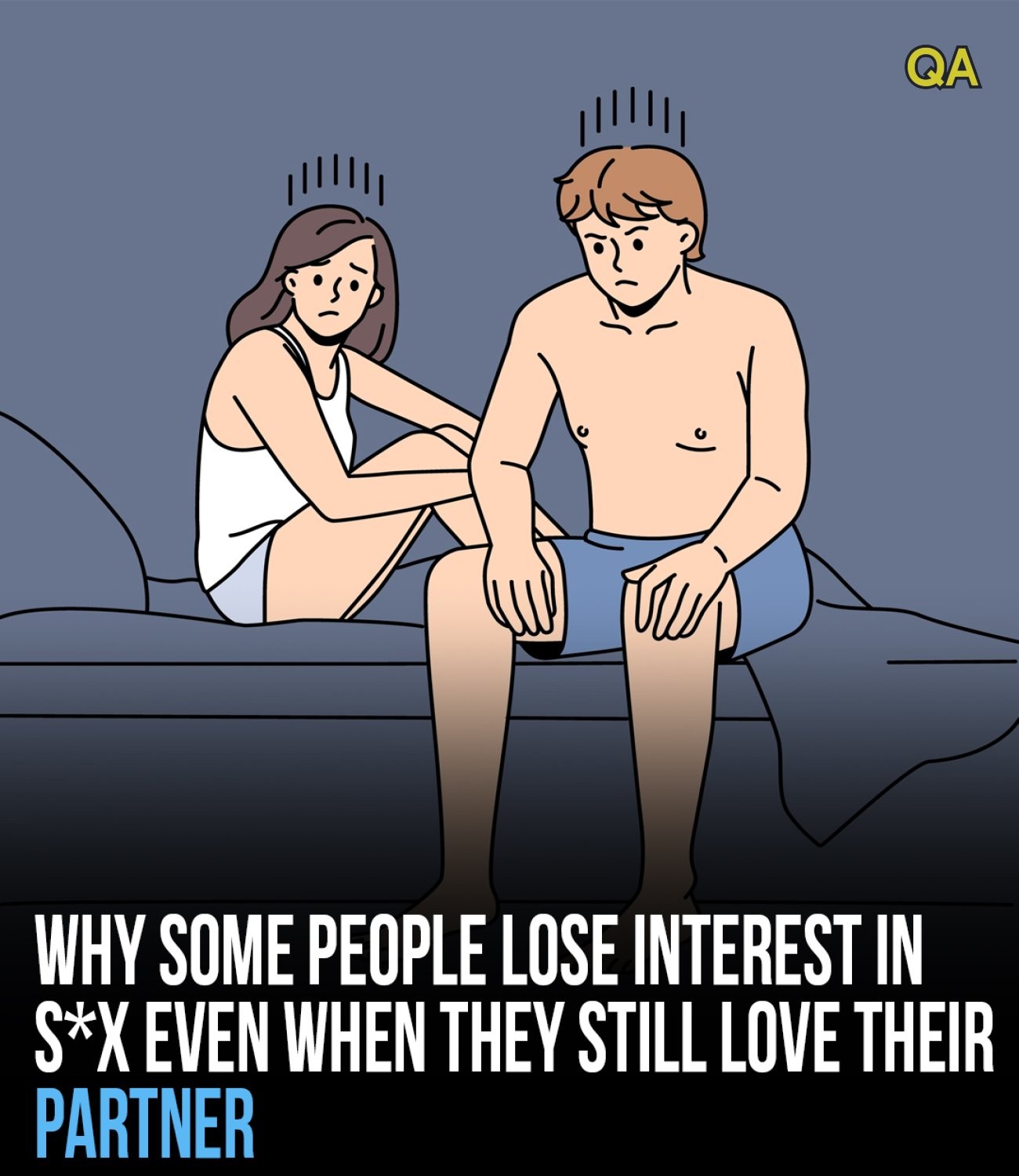
Why You Can Love Your Partner But Lose Sexual Desire: Understanding Low Sex Drive in Long-Term Relationships
Experiencing a loss of sexual desire in a long-term relationship, even while continuing to love and care for your partner, is a common but often confusing phenomenon. Many individuals report feeling deeply connected to their partners emotionally, enjoying daily activities together, and envisioning a shared future, yet find their interest in sexual intimacy waning. This shift can be unsettling and may lead to anxiety about the health of the relationship.
Contrary to popular belief, a decrease in sexual desire does not always indicate a failing relationship. Sexual desire is a complex interplay of physical health, hormonal balance, psychological well-being, environmental stressors, interpersonal dynamics, and even lifestyle factors. Understanding the multifaceted causes can help couples navigate this change with empathy, communication, and actionable strategies.
The Many Dimensions of Sexual Desire
Sexual desire fluctuates naturally over the course of a relationship. While it is often strong in the early stages—when novelty and excitement dominate—many couples notice changes as they settle into routine and shared responsibilities. From expert perspectives to medical research, let’s examine the primary factors influencing libido in long-term partnerships.
Stress Can Completely Change What Your Brain Wants
Modern life is stressful. Work demands, financial pressures, raising children, and maintaining a household can leave little time or energy for intimacy. Chronic stress can dampen libido, and individuals may not even recognize how stress is affecting their desire until they realize sexual thoughts have drifted away.
According to health experts at the Mayo Clinic and Cleveland Clinic, prolonged stress activates the body’s fight-or-flight response, which deprioritizes sex. This is not rejection; it is often exhaustion.
The Value of Rest and Relaxation
Improving sleep and relaxation can restore energy. Investing in comfortable bedding, relaxation tools, or even sleep-support supplements might help couples reclaim intimacy. Small changes, like scheduling downtime together or practicing mindfulness, can be surprisingly effective in reducing stress-related barriers.
Love and Sexual Desire Don’t Always Move Together
It’s crucial to recognize that love and sexual desire, while related, are distinct experiences. Many couples report feeling deeply in love but not sexually motivated. Relationship therapists describe responsive desire, a mode in which intimacy often follows affectionate behaviors like cuddling, talking, or kissing rather than preceding them. The Cleveland Clinic confirms that many people, particularly women, experience desire only after intimacy has begun.
Thus, the absence of sexual initiation does not signal diminished love—it may simply be a change in how the desire is activated.
Emotional Distance Can Quietly Affect Physical Desire
Emotional closeness often precedes and enhances physical intimacy. Persistent resentment, unresolved conflicts, poor communication, or lack of appreciation can slowly erode sexual desire, even if underlying love remains strong.
The Mayo Clinic identifies relationship difficulties—such as lack of trust, poor communication about sexual needs, and feeling underappreciated—as potential contributors to reduced libido. Rebuilding emotional intimacy can restore attraction and desire, sometimes outside the bedroom through meaningful conversations, shared activities, or acts of affection.
Strategies for Improving Connection
Making conversations intentional, perhaps guided by relationship books or conversation cards, can help couples rediscover intimacy and understand each other’s needs. This approach moves beyond accusatory language and fosters a spirit of partnership.
Hormonal Changes Play a Major Role
Hormones influence libido throughout life. Events such as pregnancy, breastfeeding, perimenopause, and menopause for women—and declining testosterone or other health conditions for men—can drastically impact desire. These changes might also cause discomfort, dryness, or shifts in arousal, affecting willingness to engage in sex.
If a sudden or dramatic change in sex drive emerges, consulting a healthcare provider is essential. Medical evaluation can distinguish between physical causes and psychological or relational issues.
Sex May Start Feeling Like a Responsibility
When sex becomes associated with obligation or performance pressure, desire typically declines. Constant expectations—whether to initiate, satisfy, or respond—can turn intimacy into a source of anxiety.
Sexual performance anxiety is well-documented by clinical psychologists and can create a cycle where worry about sexual encounters makes relaxation and enjoyment impossible. The solution often lies in removing pressure, not increasing frequency.
Body Image and Self-Confidence Influence Desire
Self-confidence is a key ingredient in sexual wellbeing. Changes in body weight, aging, pregnancy, illness, scars, and hormonal shifts can affect how individuals perceive themselves. While a partner may remain attractive in the other’s eyes, a loss of personal confidence can lead to withdrawal from intimacy.
Therapists advocate addressing body image concerns through self-compassion and open dialogue. Rebuilding confidence may be vital for regaining desire.
Medications Can Affect Sexual Desire
Several common medications, including some antidepressants (notably SSRIs), antihypertensive drugs, and treatments for various conditions, carry side effects that can reduce libido, arousal, or sexual function. If lowered desire coincides with starting a new medication, discuss with a doctor before making changes. Physicians can adjust dosage or offer alternative treatments.
Pain Can Make Someone Avoid Sex
Sexual pain (e.g., dyspareunia, vaginal dryness, pelvic-floor issues) transforms intimacy from pleasure to discomfort. Anticipation of pain can result in avoidance behavior, reinforcing the loss of desire.
Medical professionals stress that persistent pain during sex should not be accepted without evaluation. Many causes are treatable, and addressing them can restore enjoyment and interest in intimacy.
Depression and Anxiety Can Turn Down Desire
Mental health is deeply linked to sexual health. Depression reduces pleasure in general, while anxiety can keep the brain in a state of alertness and worry, undermining desire for intimacy. The Cleveland Clinic notes both depression and its medication treatments can affect libido.
Couples should distinguish between lack of love and depleted emotional energy. Addressing mental health, through therapy or medical intervention, can support sexual and relational wellbeing.
Familiarity Changes Desire Over Time
Novelty fuels early-stage romantic and sexual desire. Over time, routines become more predictable, and anticipation decreases. While comfort strengthens emotional bonds, it may also result in sexual stagnation.
Relationship experts suggest introducing novelty—such as new date nights, travel, or changing routines—to invigorate desire without drastic or disruptive actions.
Does Losing Interest in Sex Mean You Don’t Love Your Partner?
A decline in sexual desire does not automatically mean love is gone. Often it signals stress, exhaustion, hormonal changes, medication side effects, body image worries, or evolving interpersonal dynamics. The critical question is not simply, “Why don’t I want sex?” but “What has changed?” Pinpointing the timing, emotional climate, physical health, and relational patterns provides valuable insight.
- Is the loss gradual or sudden?
- Has a new medication or health condition emerged?
- Is there unresolved conflict or emotional distance?
- Are stress and fatigue present?
- Does sex involve pain or discomfort?
- Has body confidence decreased?
- Is there anxiety or depression?
Answering these questions gives couples actionable information, better than simply tracking sexual frequency.
How Couples Can Begin Reconnecting
The most effective first step is reframing low desire as a sign to explore together, not as proof of relational failure. Open dialogue, free of blame, sets a collaborative tone. Instead of complaint, use language that invites partnership: “We seem less connected lately. I miss our closeness. Let’s talk about what’s changed.”
Focusing on affection—holding hands, cuddling, kissing, shared outings, laughing—without pressure to turn every touch into sexual activity can reset emotional safety. Some therapists recommend taking intercourse off the table temporarily, rediscovering the value of touch and closeness.
If challenges persist, seeking professional help is a healthy avenue. Medical professionals can investigate physical causes; therapists and sex therapists can support emotional and relational healing.
The Bottom Line on Love and Desire
Loving your partner and wanting sex with them are not identical experiences. Desire may disappear for many reasons: overwhelming life demands, hormonal transitions, quiet accumulation of resentment, increased stress, physical changes, medication effects, or simply evolving relationship patterns.
A decrease in sexual desire is informative—not a verdict on love. Couples are best served by asking, “What is our relationship—and our lives—trying to tell us?” Often, the path back to intimacy involves prioritizing rest, intentional communication, affection, and emotional safety—rather than focusing solely on sex.
Rediscovering intimacy is about adapting to the relationship as it is now, honoring both individual needs and shared experiences. When approached thoughtfully, even periods of low desire can lead to deeper understanding and a stronger partnership moving forward.
If you want over 200+ ideas, phrases, and text messages to drive your man wild with desire for you, make sure to check out my new program, Language of Desire. I give you step-by-step instructions and tons of exact words to use to get exactly what you both want in and out of the bedroom.
P.S. The reason so many men “pull away” from women is because women don’t understand this naughty secret about men. . .

Affiliate disclosure: This article may contain affiliate links. If you purchase a product through one of these links, the publisher may receive a commission at no additional cost to you. Product recommendations are provided for informational purposes and are not a substitute for professional medical advice. Always consult your doctor for diagnosis and personalized guidance.
Sources
- Mayo Clinic – Sexual problems: Symptoms, Causes, and Treatments
- Cleveland Clinic – Low Libido in Women
- BBC – Sex and Relationships: Why has my sex drive disappeared?
- Reuters – Sex Life and Relationships: Experts Explain Changing Libido
- The Guardian – Relationship Therapy for Low Libido
Disclaimer: This content is intended for entertainment purposes only and is not based on real events.