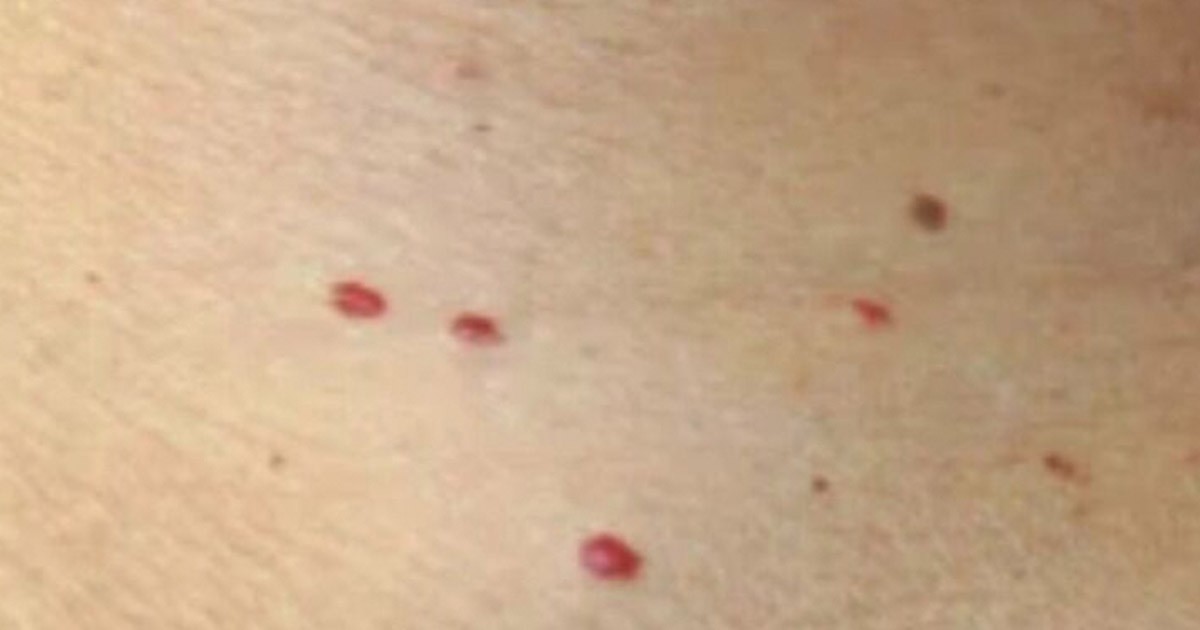
11 Reasons Why You Might Have Red Dots on Your Skin
Red dots on the skin are a common occurrence that most people will experience at some point in their lives. These spots or rashes may be harmless and temporary or indicate underlying health concerns that require medical evaluation. Understanding the possible causes of red dots can help you recognize when they are harmless and when you should seek professional advice. In this comprehensive guide, we discuss 11 possible reasons why red dots might appear on your skin, offer expert insights, and provide guidance on how you might address or prevent these issues.

1. Contact Dermatitis
Contact dermatitis is one of the most common causes of red dots or rashes on the skin. This condition occurs when the skin comes into contact with irritants or allergens, triggering an inflammatory reaction. Typical symptoms of contact dermatitis include red bumps, swelling, itchiness, and sometimes flaky or peeling skin. Common triggers include soaps, detergents, fragrances, latex products, plants like poison ivy, and certain cosmetics.
A key aspect of managing contact dermatitis is identifying and avoiding the substance that causes the reaction. If avoiding irritants is not possible, protective clothing or barrier creams can be helpful. Over-the-counter hydrocortisone creams and antihistamines often relieve symptoms, but if reactions are severe or persistent, a healthcare provider may need to prescribe stronger treatments.
2. Petechiae
Petechiae are tiny, flat red or purple spots that can appear on the skin due to bleeding under the surface. Unlike other red dots, petechiae do not blanch (turn white) when pressed. They can be caused by trauma, infections, strenuous coughing or vomiting, certain medications, or underlying medical conditions such as blood disorders or infections. If petechiae appear suddenly or are accompanied by other symptoms like fever or bruising, immediate medical attention is recommended as they can signal serious health issues.
3. Heat Rash (Miliaria)
Heat rash, also known as miliaria, develops when sweat ducts become blocked and sweat is trapped under the skin. This common condition often affects infants and people living in hot, humid climates. Red dots and often tiny blisters or prickly sensations typically appear on areas covered by clothing or where skin rubs together. Heat rash usually resolves on its own by staying cool and keeping the skin dry, but persistent symptoms may require medical assessment to rule out infection.
4. Allergic Reactions
Allergic reactions may manifest as red dots, hives, or a generalized rash. Such reactions can result from exposure to foods, medications, insect stings, or environmental allergens. Accompanying symptoms may include swelling, itching, difficulty breathing, or gastrointestinal complaints. Severe allergic reactions (anaphylaxis) constitute a medical emergency. For mild cases, antihistamines often reduce symptoms, but recurrent or unexplained allergic reactions should be evaluated by an allergy specialist.
5. Viral Exanthems
Many viral infections, especially those common in childhood like measles, rubella, chickenpox, and roseola, produce characteristic red spots or rashes known as viral exanthems. These rashes often coincide with other symptoms like fever, fatigue, or respiratory issues. While many viral rashes are self-limited, some, such as those associated with measles, require prompt medical attention due to potential complications and contagiousness. Vaccination plays a crucial role in preventing many of these viral illnesses.
6. Cherry Angiomas
Cherry angiomas, also called Campbell de Morgan spots, are benign clusters of blood vessels that appear as small, bright red or purple dots on the skin. These lesions are common, especially as people age, and are not associated with cancer or systemic disease. Although they are harmless, some people choose removal for cosmetic reasons using procedures such as laser therapy or electrosurgery. Sudden changes in size, color, or number should be evaluated by a dermatologist.
7. Eczema (Atopic Dermatitis)
Eczema is a chronic inflammatory skin disorder that frequently causes red, itchy patches which may include small dots or bumps. The exact cause is unknown, but triggers can include stress, allergens, temperature changes, harsh soaps, and certain fabrics. Management involves moisturizing the skin, avoiding known irritants, and in some cases, prescription creams or oral medications. Eczema can significantly affect quality of life, so seeking professional advice for persistent symptoms is important.
8. Psoriasis
Psoriasis is a chronic autoimmune condition characterized by the rapid growth of skin cells, producing red patches covered with silvery scales. Sometimes, these plaques begin as scattered red dots (guttate psoriasis), especially after infections like strep throat. Psoriasis can occur on various parts of the body and may also affect nails and joints. Treatment typically involves topical therapies, phototherapy, or systemic medications under the guidance of a dermatologist.
9. Insect Bites
Insect bites, including those from mosquitoes, bedbugs, fleas, and mites, can cause red, swollen, and itchy dots on the skin. Reactions may vary from mild irritation to significant allergic responses. Preventive steps include using insect repellent, wearing protective clothing, and maintaining a clean home environment. In rare instances, insect bites may transmit diseases or lead to infections, necessitating medical assessment if symptoms are severe or atypical.
10. Fungal Infections
Fungal infections such as athlete’s foot, ringworm, and candidiasis can result in red spots or ring-shaped rashes, often with scaling and itchiness. These infections typically occur in warm, moist skin areas, such as feet, groin, or underarms. Over-the-counter antifungal treatments are effective in most cases, but persistent or widespread infections require evaluation and possible prescription therapy. Maintaining good hygiene and keeping skin dry help prevent recurrence.
11. Autoimmune and Systemic Conditions
Red dots on the skin can also be associated with autoimmune diseases such as lupus or vasculitis, as well as systemic conditions like liver disease. Lupus, for example, may cause a butterfly-shaped rash on the face or red spots elsewhere on the body, often accompanied by joint pain and fatigue. Vasculitis involves inflammation of blood vessels and can cause red or purple dots, sometimes with systemic illness. These conditions typically require comprehensive evaluation and management by a healthcare team.
When to Seek Medical Attention
While many cases of red dots on the skin are benign and self-limited, certain features warrant seeking medical advice. If you develop red dots suddenly and they spread rapidly, are accompanied by fever, pain, shortness of breath, confusion, bleeding, or other severe symptoms, consult a healthcare professional promptly. Similarly, if spots do not resolve, recur frequently, or are associated with other unexplained changes in your health, medical evaluation is needed for accurate diagnosis and management.
Prevention Tips
- Identify and avoid known skin irritants and allergens.
- Maintain good personal hygiene and skin care routines.
- Protect yourself against sunburn, insect bites, and harsh chemicals.
- Stay hydrated and use moisturizing lotion to prevent dry skin conditions.
- Seek routine healthcare to monitor chronic or systemic conditions.
Expert Perspectives
According to dermatologists, most skin rashes or red dots are mild and easily managed; however, it is essential to be vigilant for signs of serious illness. Dr. Amy McMichael, a professor of dermatology, emphasizes that persistence, rapid spread, or systemic symptoms are warning flags. The Centers for Disease Control and Prevention (CDC) and World Health Organization also stress the importance of vaccination and prompt response to infectious rashes.
Societal Perspectives and International Context
Cultural and geographic factors may influence how people view and treat skin rashes. In some regions, traditional remedies are widely used, while in others, quick medical consultation is the norm. Outbreaks of measles or other infectious rashes highlight the societal impact and the importance of public health measures. Globally, efforts to increase awareness and access to dermatological care aim to reduce complications and improve outcomes for skin-related symptoms.
Conclusion
Red dots on the skin can originate from a wide range of causes, from mild irritations and allergies to infectious or systemic diseases. Understanding the potential reasons behind these spots, practicing appropriate prevention strategies, and knowing when to seek professional help are essential for maintaining healthy skin. If in doubt, it’s always safer to consult with a healthcare provider for an accurate diagnosis and tailored management.
Sources
- Centers for Disease Control and Prevention (CDC)
- World Health Organization (WHO)
- Mayo Clinic
- BBC Health
- Reuters Health
- American Academy of Dermatology (AAD)
- NHS: Skin Rash
Disclaimer: This content is intended for entertainment purposes only and is not based on real events.