After Surgery, This Ohio Surgeon Turns Bandages Into Art For Young Patients
Transforming the Pediatric Surgery Experience with Compassion
For any patient, the prospect of undergoing surgery brings anxiety and fear. For children, whose understanding of medical procedures is limited and whose imaginations can amplify their apprehensions, this fear can be even more pronounced. But in Akron, Ohio, Dr. Robert Parry, a pediatric surgeon at Akron Children’s Hospital, has found a unique way to ease the fears of his youngest patients—by transforming their post-surgical bandages into customized works of art.
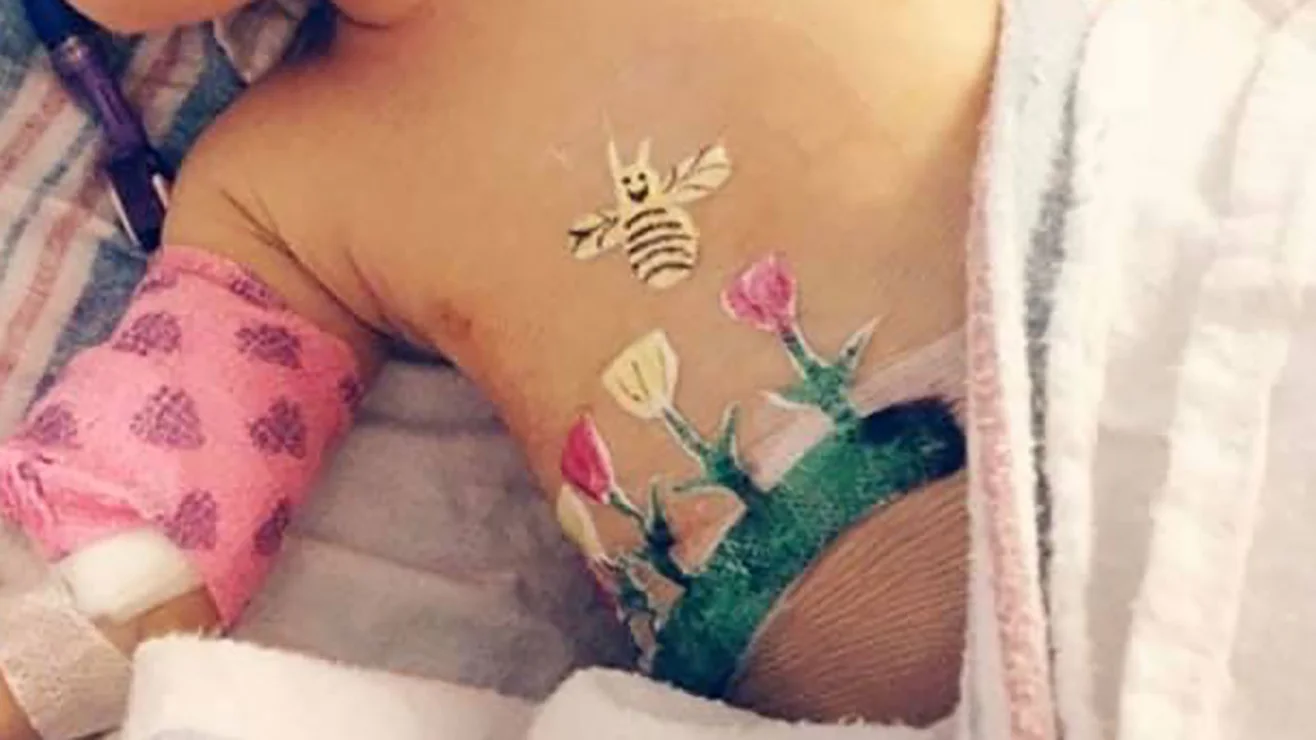
After completing surgery, Dr. Parry, who is also a self-taught artist, takes a few extra minutes to illustrate a cheerful design—often a butterfly, favorite cartoon character, or playful scene—on the dressing that covers the child’s surgical site. While medically unnecessary, these personalized bandages provide something emotionally invaluable: comfort, delight, and a sense of individualized care for children waking from surgery.
The Power of Small Gestures in Healthcare
Dr. Parry’s illustrations do not alter the surgical outcome, yet their psychological impact can be substantial. As children awaken from anesthesia, instead of focusing solely on pain or their scars, they discover a dazzling drawing created just for them. For many, this spark of surprise transforms a frightening medical experience into a cherished memory.
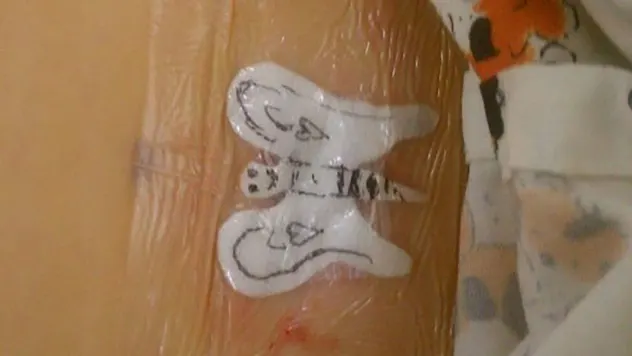
Such simple yet meaningful gestures can offer solace in stressful times. For example, Christina Potts Whipkey recalls how her daughter, Kennedy, underwent hernia surgery at Akron Children’s Hospital at the age of seven—a daunting event for any family. Recognizing the mix of fear and uncertainty, Dr. Parry promised Kennedy and her siblings that she would find a beautiful butterfly on her dressing after the procedure. True to his word, Kennedy awoke to a black-and-white butterfly, its wings adorned with little hearts, covering her incision. Nine years later, her mother still remembers that thoughtful detail, noting the comfort and optimism it brought at a time of vulnerability and anxiety.
Whipkey reflected to CNN that while parents often strive to shield their children from the stress and fear of medical care—sometimes masking their own anxiety—the bright, artistic bandage shifted everyone’s focus. Kennedy’s excitement to show her siblings the butterfly replaced her worries about the surgery and recovery, offering a moment of happiness amid uncertainty.
Establishing a Meaningful Tradition
Since joining Akron Children’s Hospital in 2011, Dr. Parry has performed thousands of surgeries. Over the years, what started as a spontaneous gesture evolved into a trademark tradition. According to a feature by the hospital, Dr. Parry had already completed more than 10,000 operations only a few years into his tenure. Somewhere along the way, drawing on children’s dressings became a signature of his practice, to the point where young patients, their families, and even other staff began to anticipate and request particular designs.
From Disney princesses to sports logos, and from whimsical cartoons to witty concepts—such as a bottle of French salad dressing for a “surgical dressing”—Dr. Parry tailors each artwork to the child’s interests, favorite colors, or inside jokes shared before surgery. The children are proud of their unique dressings, their parents are touched, and medical staff regularly peek in to admire the latest creation. As Dr. Parry noted in an interview with CNN, “The nurses in the recovery room want to see what I drew for each child. It really brings a smile to everyone in the operating suite.”
Personal Stories of Hope and Healing
For families navigating the overwhelming world of pediatric health care, even small acts of kindness can resonate deeply. In 2014, Samantha Manning brought her 11-month-old daughter Rose to Akron Children’s Hospital following a diagnosis of a serious liver condition. Dr. Parry was among the surgeons performing her operation, but the family was unaware of his artistic tradition. When Rose emerged from surgery, the family was surprised and moved to find her surgical dressing decorated with a rose garden—specially drawn for a little girl named Rose. Manning sees this gesture as more than a drawing; it is emblematic of the extra care and humanity their family received at a time of great distress.
Such thoughtful details can leave lasting impressions, offering comfort not just to the patient but to the whole family. It becomes a tangible reminder that behind every medical procedure, there is a team of people working not only to heal physical wounds but to tend to emotional well-being as well.
The Psychological Impact of Personal Connection in Hospitals
For children, the hospital environment can be a particularly intimidating place. The sights and sounds—bright lights, the whir of machines, unfamiliar faces clad in masks, and the clinical atmosphere—are compounded by the fear of pain or the unknown. Despite the best intentions of care teams, the experience often leaves children feeling isolated or anxious.
Studies published by organizations such as the CDC and WHO have revealed that positive emotional experiences and the creation of supportive environments can significantly improve recovery and help children overcome traumatic experiences. While Dr. Parry’s artwork may not cure disease or speed physical healing in a direct, clinical sense, it does offer essential emotional care, helping young patients reframe a daunting experience in positive terms.
Community Reactions and Broader Influence
Dr. Parry’s tradition has garnered attention not only within the walls of Akron Children’s Hospital but also online and in broader media. The hospital highlighted his bandage art as one of its top moments of the decade, and a photo showcasing his work reached the front page of Reddit, resonating with thousands of viewers. The widespread response underscores a universal appreciation for empathy and human connection in medical practice.
Yet, as Dr. Parry himself acknowledges, the true value of these drawings is felt in the quiet moments after surgery—when a nervous child finds a reason to smile, when anxious parents are reassured by the joy on their child’s face, and when staff members are reminded of the heartfelt impact of their work. These moments, while modest in gesture, reflect a deep commitment to compassionate medicine and the well-being of every patient.
Expert Insights on the Role of Emotional Support in Pediatric Care
Pediatric experts and hospital staff widely acknowledge the importance of holistic care, emphasizing that a positive environment can play a vital role in recovery. The Mayo Clinic and other respected health bodies highlight that incorporating play, creativity, and humor into recovery not only eases pain and anxiety but can also improve long-term outcomes for children. Art therapy has been shown to help young patients process their hospital experiences, offering them an active role in their healing journey.
Dr. Parry’s approach aligns with a growing trend in pediatric hospitals worldwide, where care teams strive to create child-friendly spaces and experiences. From therapy dogs and interactive playrooms to creative programs like custom bandage art, these efforts recognize that healing extends far beyond treating physical ailments.
Looking at the Bigger Picture: Compassion in Healthcare
Dr. Parry’s story stands as a reminder that the practice of medicine is fundamentally about caring for individuals, not just treating diseases. It suggests that even within the context of high-stakes, time-intensive medical procedures, there is always a place for compassion, creativity, and simple acts of kindness. For his patients, the sight of a hand-drawn butterfly or a garden of roses isn’t just a decorative flourish—it is a testament to being seen, valued, and cared for in their most vulnerable moments.
In an era where healthcare is increasingly complex and technologically advanced, stories like Dr. Parry’s highlight the enduring importance of empathy. They point to a model of care where innovation and human connection coexist, benefitting not only patients but their families, caregivers, and medical teams alike.
Ultimately, while a decorated dressing does not erase the pain of surgery or instantly dissipate fear, it does provide something tangible for a child to hold onto—a source of comfort, a topic of conversation, or simply a reason to smile at a difficult time. And in the world of pediatric medicine, that may be one of the most powerful healing tools of all.
Sources
Disclaimer: This content is intended for entertainment purposes only and is not based on real events.