
Raw-dogging Your Period: Why the Trend of Enduring Menstrual Pain Without Relief Deserves Closer Scrutiny
Understanding the “Raw-dogging” Period Trend
In recent years, a new term has entered the social media lexicon: “raw-dogging your period.” This phrase, often used humorously, refers to experiencing cramps, heavy bleeding, mood swings, and other menstrual symptoms without using any relief methods such as painkillers, heating pads, or hormonal treatments. For many, it’s described as an endurance test to determine how much pain one can tolerate without any intervention.
Periods are already challenging for countless menstruating individuals. Symptoms often include abdominal cramps, lower back pain, bloating, tender breasts, fatigue, and mood changes. These symptoms can turn several days each month into a struggle to function normally. The phenomenon of deliberately refusing symptom relief—sometimes as a joke, sometimes as a genuine lifestyle choice—has gained traction online. Social media is filled with memes, personal anecdotes, and advice posts about resisting the urge to reach for relief, even as discomfort mounts.
At first glance, the trend may seem like another fleeting internet challenge. However, beneath the surface, it raises important questions about pain normalization, societal expectations, and women’s health.
Societal Pressures and the Normalization of Menstrual Suffering
One of the most insightful commentaries on this trend comes from Jo Barry, founder of Scarlet, a period self-care brand informed by her personal struggles with endometriosis and adenomyosis. Barry’s journey has included seven laparoscopic surgeries and a hysterectomy. For her, discussions around “raw-dogging periods” go beyond online trends—they reflect deeply held societal beliefs about toughness, endurance, and womanhood.
Barry observes that many people believe enduring period pain without help shows resilience. In reality, there is no health benefit or hidden reward for suffering through intense pain. Choosing to avoid medication is a personal decision, Barry notes, but framing untreated pain as evidence of strength—or turning it into a competition—can be problematic. There are no trophies for enduring every cramp or forgoing every comfort. Tools like rest, heat, movement, and medication exist to assist, not define strength or weakness.
The real concern, Barry emphasizes, is that the conversation about raw-dogging periods often overlooks a crucial question: why does the pain hurt this much in the first place?
If pain is consistently severe, focusing on endurance rather than understanding may delay crucial diagnoses or mask significant health conditions. Pain can be a signal—an important indicator that something in the body requires attention.
Why Normalizing Pain Can Be Dangerous
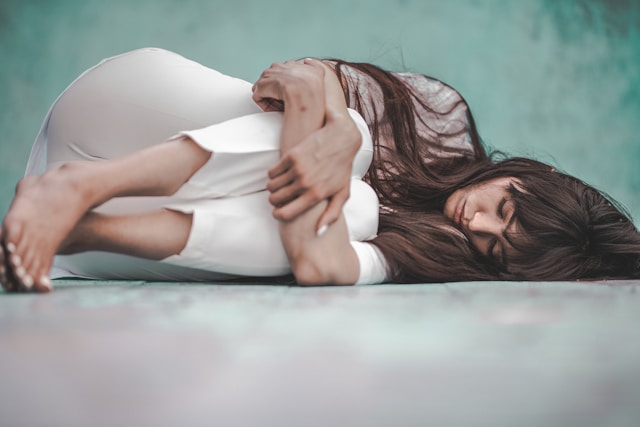
The tendency to dismiss period pain as “normal” is not new. For generations, menstruating individuals have been expected to maintain their routines—work, classes, childcare, social activities—while dealing with discomfort. This normalization means that serious underlying health issues can be overlooked or misinterpreted as ordinary “period problems.” Barry reflects on her own experience, recalling years of being told her pain was typical before receiving an accurate diagnosis.
When untreated pain becomes an online badge of honor, it risks promoting a culture in which suffering is valorized, and real warning signs are ignored. If symptoms consistently interfere with daily life, this should be seen not as a test of endurance, but as a signal to seek medical attention.
Tracking Symptoms: The Importance of Listening to Your Body
Healthcare professionals, including Barry, advise paying close attention to your symptoms. Tracking can be as simple as jotting down details: when does the pain begin, where is it located, how long does it last, and are there any additional symptoms such as heavy bleeding, sleep disruption, or nausea? Specificity matters—there is a difference between mild cramps for a few hours and pain that leaves someone bedridden or incapacitated.
Some level of cramping during menstruation is common. However, if period pain repeatedly interrupts the ability to work, study, sleep, exercise, or live life normally, it warrants further investigation. Other symptoms that deserve attention include escalating pain, pain between periods, very heavy bleeding, fainting, vomiting, pain during intercourse, and pain during urination or defecation related to the menstrual cycle.
Barry’s rule is straightforward: If your period regularly controls your life, discuss it with a healthcare provider. Not every painful period signifies a serious condition, but no one should feel they must endure overwhelming pain in order to seek help.
Not All Periods—and Pain—Are the Same
An important aspect of the discussion is the variability of menstrual experiences. What is normal for one individual may be debilitating for another. Factors such as hormonal profiles, bleeding patterns, inflammatory processes, and underlying conditions can differ widely. Comparing one’s experience to that of friends, relatives, or online acquaintances offers little insight into what is “normal” for an individual body.
Despite this diversity, statements like “my periods aren’t that bad” or “I never need painkillers” often become the standard by which others measure themselves. This comparison can lead those with more severe symptoms to question their own tolerance or feel pressure to endure in silence.
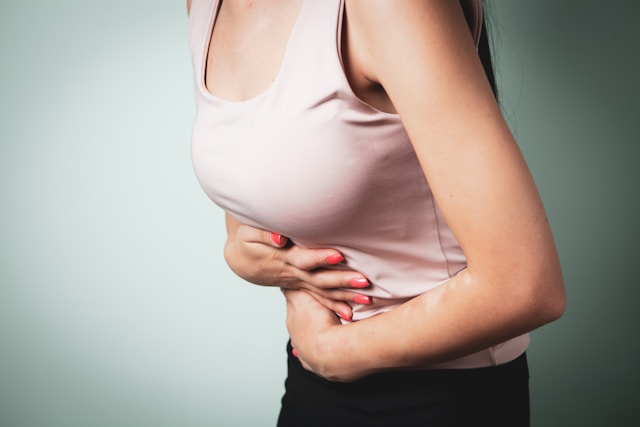
Barry, along with many health experts, warns against treating periods like a competition or a rite of passage. Though the phrase “raw-dogging your period” has an element of humor, equating untreated pain with accomplishment can have negative consequences, normalizing unnecessary suffering and delaying important medical assessments.
When Should Period Pain Raise Concern?
It’s essential to recognize the “red flags” that distinguish normal discomfort from signs of possible health issues. Severe pain that disrupts daily living, fainting, vomiting, or soaking through a pad or tampon every hour are symptoms deserving of prompt medical attention. Pain during intercourse or while using the bathroom, especially when it consistently coincides with the menstrual cycle, also warrants discussion with a healthcare provider.
Sudden sharp pelvic pain, feeling faint or unwell, and any symptoms related to possible pregnancy should be taken very seriously. In these cases, endurance should not be the goal—seeking professional guidance is. Social media trends should never replace appropriate health care.
Pain Relief is Not a Reward to Be Earned
The narrative that one must “earn” relief—by holding out until pain becomes unbearable before using a hot water bottle or taking medication—has no medical grounding. Decisions about pain relief are personal. Some avoid medication for various reasons, while others benefit greatly from available treatments. The crux of the issue is not whether one chooses relief, but whether untreated pain is misrepresented as a sign of strength or worthiness.
Once untreated pain becomes a standard, it can be much easier to overlook symptoms that need professional evaluation. Relief methods like medication, rest, or changing plans are not signs of weakness or failure—they represent self-care and responsiveness to one’s health needs.
Moving Beyond Comparison: Focus on Your Body’s Signals
Conversations about periods naturally invite comparison, but every body is unique. Rather than ranking pain levels or insisting one person’s experience should define what’s typical, individuals should focus on changes and patterns in their own symptoms. Sudden increases in pain, difficulty functioning, or long-standing severe symptoms should prompt medical discussions regardless of other people’s opinions or thresholds.
Raw-dogging may be inconsequential for those with mild symptoms, but constant endurance in the face of severe or unusual pain may prevent individuals from recognizing health conditions that need attention.
Challenging the Tradition of Silent Endurance
Barry and like-minded advocates argue that the bigger issue is the expectation that women and menstruating individuals should bear pain silently as a virtue. While mild or manageable discomfort may not warrant intervention, constant or severe pain should not be dismissed as simply “part of being a woman.” Periods can be uncomfortable, exhausting, and inconvenient, but they should not regularly dictate the ability to live a normal life.
Ultimately, the central question isn’t how long one can “raw-dog” their period, but rather, why the pain is present to such an extent—and what, if anything, can or should be done about it. Ensuring open discussions, access to medical care, and the rejection of pain as a measure of endurance are key steps toward a healthier approach to menstrual well-being.
Sources
- Centers for Disease Control and Prevention (CDC) – Women’s Health
- Eunice Kennedy Shriver National Institute of Child Health and Human Development – Endometriosis
- Mayo Clinic – Menstrual Cramps
- BBC News – Period Pain: Why Do So Many Women Put Up With It?
- The Guardian – Why Do Women Put Up With Period Pain?
- Reuters – The Stigma of Period Pain
- World Health Organization – Menstrual Health
Disclaimer: This content is intended for entertainment purposes only and is not based on real events.