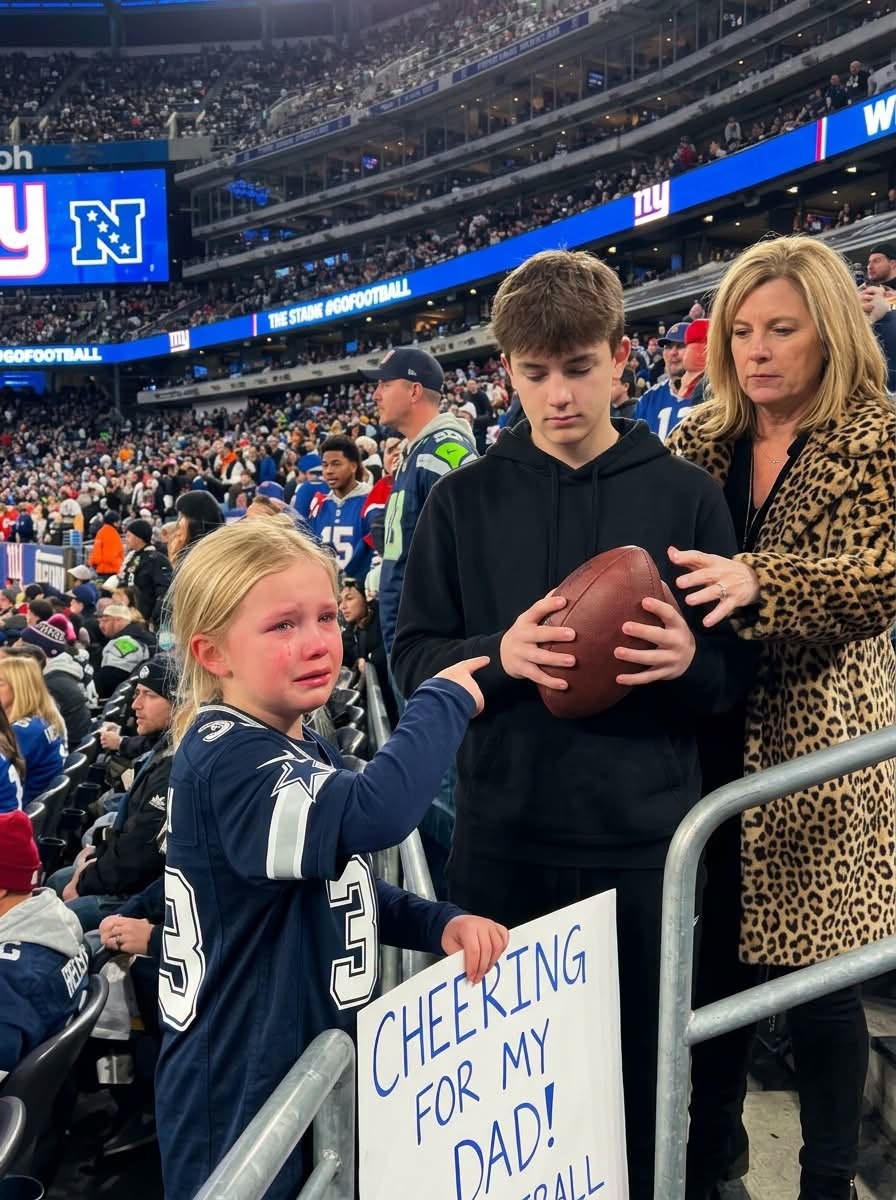
Every Sunday Used to Belong to Football in Their House
Introduction: Football and Family Tradition
In many households around the world, sports—especially football—serve not only as entertainment but as a cornerstone of family tradition. For one family, every Sunday was more than a day for relaxation or leisure; it was a time when football brought them together, anchoring their week around camaraderie, shared knowledge, and laughter. This article explores how these rituals shape familial bonds, how grief can alter daily life irreversibly, and how individuals navigate loss while striving to preserve cherished traditions.
The Weekly Ritual: Football As Family Connection
Before tragedy struck, Sundays in the household were synonymous with football. Austin, the father, turned the living room couch into what felt like a classroom, guiding his daughter, Kelly, through the intricacies of the game. From explaining complex penalties to celebrating touchdowns, Austin fostered an environment where learning and fun went hand in hand. The mother, while not a football enthusiast herself, found immense joy in watching her husband and daughter bond over the sport. Seeing their connection grow stronger through these rituals meant more to her than the game itself. Such family routines are characteristic of many cultures, offering a sense of belonging and continuity from one generation to the next.
The Sudden Change: Coping with Unexpected Loss
Life can change in an instant. On an ordinary Tuesday, the family’s world was overturned when Austin was lost in a car accident. The impact of such an event reverberates far beyond the immediate shock and grief. Habits once taken for granted become relics of the past. The jersey Austin draped over his chair remained untouched, a silent testament to his presence. Kelly, once eager to discuss football, quietly withdrew from the weekly ritual. Yet, she continued to sit beside her mother every Sunday, gazing at the empty cushion where her father once cheered and taught.
The Impact of Grief on Daily Life
Grief often leads to profound changes in daily routines. Psychologists note that moments once filled with shared laughter and conversation can feel empty and overwhelming. The living room, once animated by excitement and learning, transformed into a space marked by silence and longing. This shift is typical of families coping with loss. According to the American Psychological Association, rituals and routines provide a sense of stability after the death of a loved one. When these routines are disrupted, it can be emotionally challenging for those left behind. For Kelly and her mother, football Sundays became a poignant reminder of Austin’s absence and the ways in which grief can change the meaning of even the simplest traditions.
Children and Grief: The Importance of Support
Children experience grief differently from adults. Kelly, still missing her front teeth, found herself unable to articulate her feelings and instead expressed her loss through withdrawal. Studies from the Mayo Clinic show that younger children may not fully comprehend death but feel the absence deeply. Support systems, including family, friends, and counseling, are essential during this period. Experts recommend that parents continue familiar routines with children after a loss, even if participation changes. For Kelly, sitting next to her mother each Sunday, despite no longer discussing football, helped her maintain a connection to Austin and facilitated healing.
The Role of Shared Rituals in Healing
Shared rituals, such as watching football together, offer structure and comfort during times of uncertainty. Experts in grief counseling, such as those at the National Alliance for Grieving Children, highlight the therapeutic value of maintaining or adapting family traditions. Rituals can serve as a bridge between past and present, creating continuity and helping survivors honor the memory of their loved ones. In the case of Kelly and her mother, their return to the couch each Sunday offered a space to remember Austin, even as the nature of their interaction changed.
Adapting Traditions: When the Game Changes
For many families dealing with loss, the challenge lies in adapting old traditions to new realities. While Austin was no longer present to teach or cheer, the act of gathering for football remained. Over time, Kelly and her mother began to redefine what football Sundays meant for them. They started to share stories about Austin, reminiscing about his favorite players and games. Gradually, the ritual became less about watching the sport and more about honoring his memory and celebrating the bond they still shared. Experts suggest that such adaptation is a healthy step towards long-term healing. According to research published in Psychology Today, rituals can be modified to meet the evolving needs of those grieving, providing a balance between remembrance and growth.
Societal Context: Football, Family, and Loss
Football is more than just a sport; it is a cultural phenomenon that connects families across generations. In many regions, local or national football teams create shared identity and foster community spirit. The loss experienced by Kelly’s family echoes broadly in societies where sports play a central role in family life. Communities often rally around grieving families, offering support through gestures such as memorial games or fundraising events. Social workers emphasize the importance of maintaining connections to community during times of loss, as these relationships can provide emotional and practical assistance.
International Approaches to Grief and Ritual
Different societies have varying customs related to grief and memory. In the United States, maintaining traditions is commonly encouraged as a form of support. In other countries, such as England or Brazil, grief may be marked by communal gatherings and collective acknowledgment of the deceased’s love for football. According to reports from The Guardian and BBC News, families globally use sport as a touchstone for healing, exchanging stories, and remembering loved ones. International experts agree that rituals—whether watching games, wearing jerseys, or baking favorite dishes—help individuals, particularly children, navigate emotional landscapes after loss.
Expert Perspectives: Grief, Healing, and the Power of Memory
Leading psychologists and grief counselors emphasize that loss inevitably changes family dynamics. Dr. Alan Wolfelt of the Center for Loss and Life Transition states that the act of remembering, through ritual or storytelling, is a critical component of healing. While the pain of loss never fully disappears, families can foster resilience by nurturing positive memories and creating new traditions. For Kelly and her mother, the ongoing act of sitting together on Sundays is a testament to the enduring power of love and the strength of familial bonds.
Looking Forward: Rediscovering Meaning in Old Traditions
With time, grieving families often rediscover meaning in old traditions. Kelly’s family demonstrates that Sunday football, once a symbol of togetherness, can evolve into a sacred space for reflection and remembrance. As they share stories and preserve Austin’s memory, they are slowly rebuilding their lives and redefining what it means to be a family. Psychologists recommend that families intentionally create space for both remembrance and new experiences, as this helps balance respect for the past with hope for the future.
Conclusion: The Enduring Value of Rituals
The story of Kelly, her mother, and their football Sundays illustrates the profound influence of rituals on family life and the ways in which grief can reshape those rituals. While the pain of loss is real and lasting, shared routines and adapted traditions provide comfort, structure, and connection. Whether through sports, storytelling, or communal gatherings, these rituals help individuals honor those they have lost while forging new paths towards healing and resilience.
Sources
- Reuters
- BBC News
- The Guardian
- Mayo Clinic
- American Psychological Association
- National Alliance for Grieving Children
- Psychology Today
Disclaimer: This content is intended for entertainment purposes only and is not based on real events.