Three Unhealthy Breakfast Habits That Could Be Destroying Your Kidneys
Breakfast has long been championed as the cornerstone of a healthy diet. Popular wisdom maintains that what you eat in the morning sets the tempo for your metabolism, energy, and cognitive function throughout the day. While these immediate effects are easily noticed, the long-term impact of habitual breakfast choices on deeper aspects of health—particularly kidney function—often goes unrecognized. Recent research underscores the critical role of diet in preserving kidney health and preventing chronic diseases.
The Overlooked Importance of Kidneys
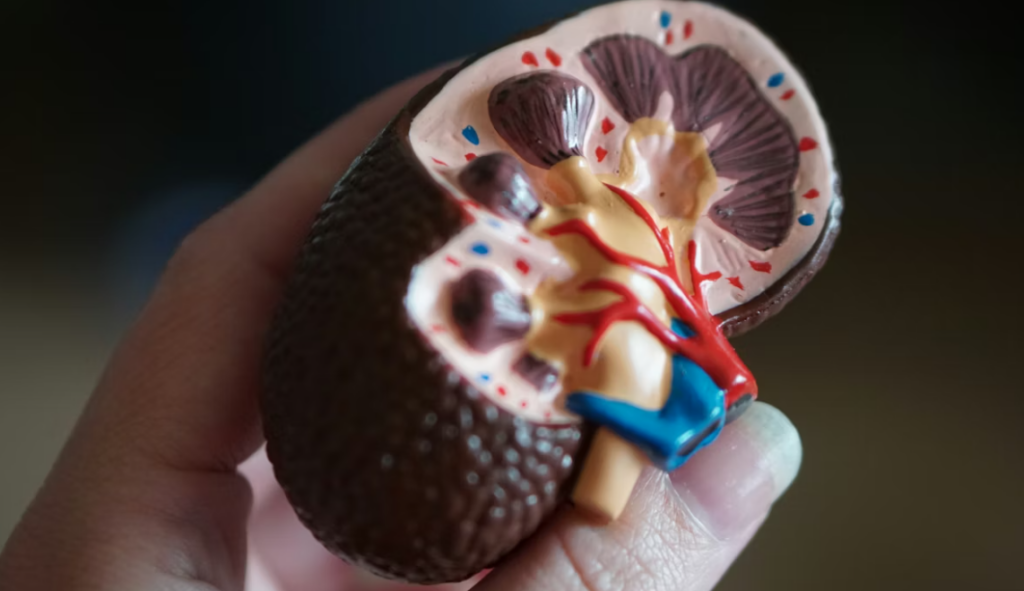
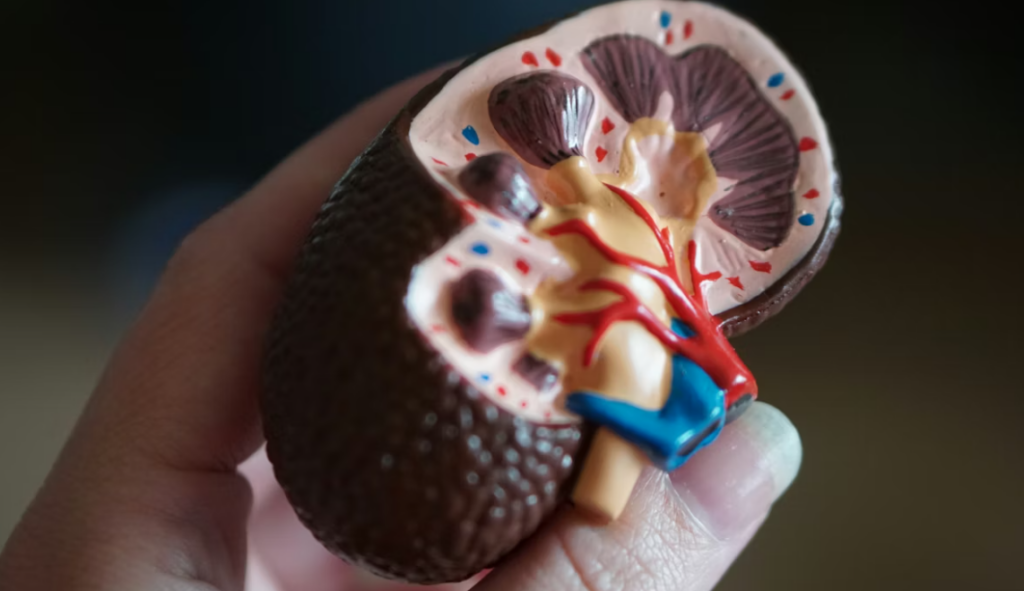
Kidneys are essential organs that perform complex regulatory and waste-filtering tasks to maintain homeostasis in the body. As outlined by the National Institute of Diabetes and Digestive and Kidney Diseases (NIDDK), these two bean-shaped organs filter around 50 gallons (180 liters) of blood daily, remove metabolic wastes, balance fluids and electrolytes, and help control blood pressure. The kidneys also act as a hormone production center—regulating red blood cell formation and supporting bone mineralization through vitamin D conversion.
Despite their resilience, kidneys are highly sensitive to dietary patterns. Excess intake of certain nutrients and food additives—prevalent in modern breakfasts—can progressively overload and damage these vital organs.
Diet and the Threat of Chronic Kidney Disease
Chronic Kidney Disease (CKD) develops over time, often without obvious symptoms in early stages. Excessive sodium, high levels of added sugars, and regular consumption of ultra-processed foods have all been identified as risk factors for declining kidney function. According to the National Kidney Foundation, dietary abuse spanning decades—not just the occasional indulgence—significantly increases CKD risk. Understanding how specific breakfast choices contribute to this pattern is essential for prevention.
1. Meat-Heavy Breakfasts: Processed Meats and Sodium Overload
Traditional breakfast favorites such as bacon, sausages, and ham are not only loaded with flavor but also with sodium, nitrates, and saturated fats. These components are directly linked to increased blood pressure and oxidative stress in the body. The Centers for Disease Control and Prevention (CDC) states that excessive sodium intake is a chief driver behind the global prevalence of hypertension—a primary risk factor for CKD.
Physiologically, the kidneys act as filters, constantly adjusting the balance of sodium and water in the blood. An overload of sodium, common in processed breakfast meats, forces the kidneys to work harder. This can damage nephrons (the kidney’s filtering units) over time, much like overusing a household water filter reduces its efficacy. Additionally, many processed meats are injected with inorganic phosphates—a practice designed to improve texture and shelf life. The National Kidney Foundation warns that synthetic phosphorus, unlike natural phosphorus found in plant-based foods, is rapidly absorbed and can lead to vascular calcification, compounding kidney stress.
Fortunately, complete avoidance of animal protein is unnecessary. The key is selecting cleaner protein sources more sparing in sodium and additives. Expert recommendations include:
- Pasture-fed eggs: A high-quality protein source rich in omega-3s and free from preservatives.
- Greek yogurt: Delivers protein and probiotics, supporting digestion without the additive burden of processed meats.
- Plant-based proteins: Options such as tempeh or homemade lentil-based sausages replicate traditional textures without excessive sodium or chemical additives.
2. The Sugar Rush: Refined Carbohydrates and Diabetes Risk
Fast, convenient, and sweet breakfasts—think sugary cereals, white bagels, pastries—provide an intense dose of rapidly absorbed carbohydrates. The American Diabetes Association highlights that chronic spikes in blood sugar prompted by these foods over time are a central factor in the development of Type 2 diabetes, the leading cause of kidney failure globally.
High blood glucose injures the tiny vessels inside the kidney (the glomeruli). As this process, called diabetic nephropathy, advances, kidneys lose the ability to efficiently filter waste. Essential proteins start leaking into the urine, worsening systemic health outcomes. Beyond sugar, baked breakfast goods often contain hydrogenated oils and trans fats, which drive systemic inflammation—likened to “sand in the gears” of renal function.
Opting for carbohydrates with a low glycemic index can stabilize blood sugar and offer healthful energy. Consider these kidney-friendly swaps:
- Steel-cut oats: Packed with soluble fiber aiding in glucose control.
- Whole-grain sourdough: Offers slower digestion and a gentler blood sugar response compared to standard white bread.
- Berries: Use blueberries, raspberries, or strawberries as natural sweeteners—these are high in antioxidants that help counteract oxidative stress in the kidneys.
3. The Convenience Trap: Hidden Sodium and Ultra-Processed Foods
Modern breakfast options are riddled with hidden sodium and preservatives. Even seemingly wholesome choices like instant oatmeal packets, frozen breakfast sandwiches, and canned soups may contain sodium levels far exceeding daily recommendations.
The World Health Organization (WHO) advises limiting salt to under 2 grams per day (roughly one teaspoon). Shockingly, many single-serving processed breakfast items contain over half this amount. A pivotal study in The BMJ linked high consumption of ultra-processed foods (UPFs) to increased risks of obesity, cardiovascular disease, and metabolic syndromes—all significant threats to kidney health.
UPFs overload the kidneys with artificial flavors, colors, stabilizers, and other additives. While the liver manages most of these compounds, the kidneys clear their metabolic byproducts. An 80% processed diet means the kidneys are under constant duress, with little opportunity to recover. Nutritionists agree that less processed food is generally safer and healthier for the kidneys.
- Avocado on whole-grain toast: Rich in healthy fats and fiber, and can be flavored with a hint of lemon rather than excessive salt.
- Homemade oatmeal: Buy plain oats and personalize your breakfast naturally—minimizing sodium and additives.
- The 80/20 rule: Aim for at least 80% of your morning diet to consist of whole, single-ingredient foods. This moderation principle helps ensure most nutritional intake benefits your long-term health.
The Hidden Dangers: Why Early Damage Often Goes Unnoticed
One of the most concerning aspects of kidney disease is its lack of early warning signs. According to the WHO, millions of people worldwide are affected by chronic kidney impairment without overt symptoms. Significant loss of kidney function often goes undetected until more than half of the organ’s filtration capacity is gone. Typical complaints such as unexplained fatigue, edema (fluid retention), or changes in urination patterns generally appear late in the disease course.
This underscores the necessity of proactive dietary management—not merely as a health tip, but as fundamental “maintenance” for a vital system that rarely alerts you to distress until irreversible damage has occurred.

Recommended Steps for Lifelong Kidney Health
Protecting your kidneys does not require hundreds of rules or the adoption of a strict renal diet unless you have been medically advised to do so. Instead, a few practical changes can make a significant difference:
- Replace salty, processed meats with eggs, yogurt, and lean poultry or fish (prepared without excess seasoning).
- Choose whole, fiber-rich grains and fruits in place of sugary cereals and pastries.
- Read nutrition labels to spot hidden sodium or phosphate additives in processed breakfast foods.
- Be mindful of your fluid intake. Drinking plenty of water is vital for kidney filtration, aiding the removal of metabolic wastes efficiently.
- Gradually shift your breakfast habits toward simpler foods—prioritizing ingredients where you recognize each item.
Experts also urge regular physical activity, as exercise helps manage weight, blood pressure, and blood sugar—key variables in supporting kidney health. If you are already managing health conditions like high blood pressure or diabetes, work closely with your healthcare provider to fine-tune your nutrition and medications accordingly.
Conclusion: Prioritizing Kidney Wellness at Breakfast
While the body can tolerate occasional dietary indulgences, long-term patterns matter. Frequently consuming processed meats, refined sugars, and sodium-laden foods at breakfast can “tax” your kidneys daily. Given their silent mode of dysfunction, supporting your kidneys with better breakfast choices is a direct investment in long-term health and quality of life.
Your kidneys have a demanding, lifelong job: maintaining fluid, mineral, and metabolic harmony in your body. With more awareness and intentional choices each morning, you can ease their burden—preventing silent but severe conditions later in life. Being thoughtful about your diet is the most effective approach to reducing the risk from “silent” diseases such as CKD, diabetes, and hypertension.
Medical Disclaimer: This article is intended for informational and educational purposes only and does not constitute medical advice. Always consult your doctor or another qualified medical professional before making changes to your diet or if you have concerns about your kidney health.
Sources
- National Institute of Diabetes and Digestive and Kidney Diseases
- Centers for Disease Control and Prevention
- National Kidney Foundation
- American Diabetes Association
- World Health Organization
- The BMJ
Disclaimer: This content is intended for entertainment purposes only and is not based on real events.