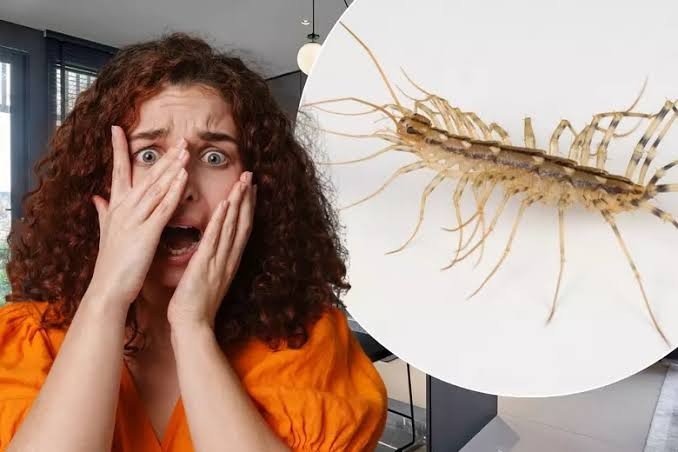
The sight of a mysterious creature darting across the shadowy floor of a basement can be an unsettling experience for many homeowners. With its multitude of twitching legs and unnaturally long antennae probing the air, the house centipede often elicits immediate fear and confusion. These ancient-looking arthropods, however, are surprisingly common in indoor environments, especially those with dark and humid conditions like basements and bathrooms. While their sudden appearances may evoke alarm, gaining an understanding of the house centipede’s biology, behavior, and ecological role can help homeowners manage their presence and appreciate their unexpected contributions to indoor pest control.
In this article, we provide a comprehensive look at house centipedes, exploring their evolutionary background, interaction with human habitats, potential health implications, and expert recommendations for control and prevention. By examining scientific and expert opinions, we aim to deliver an informative, balanced perspective that emphasizes educational value and practical guidance.
What Are House Centipedes? Understanding Their Appearance and Evolutionary Origins
House centipedes are members of the order Scutigeromorpha, with the species Scutigera coleoptrata being most prevalent in temperate climates worldwide, including much of North America and Europe. Known for their unusually elongated legs—15 pairs in total—and exceptionally long, sensitive antennae, house centipedes have a distinct, almost otherworldly appearance. Their bodies are typically yellowish-gray, adorned with dark stripes running longitudinally along the dorsal surface. Measuring up to 1.5 inches (about 4 centimeters) in length, their leg span can exceed three to four inches, creating a visually imposing presence despite their light build.
Fossil evidence traces the lineage of centipedes back more than 400 million years, making them one of the oldest land-dwelling animal groups. Their unique morphology—a flat, segmented body, rapid movement, and specialized legs—has allowed them to adapt to a wide range of terrestrial habitats. This evolutionary resilience may explain the instinctive discomfort many feel when encountering them; their appearance is reminiscent of ancient creatures from prehistory, evoking a sense of the unfamiliar within human dwellings.
Common Habitats: Why Do House Centipedes Enter Our Homes?
House centipedes show a marked preference for environments that are cool, dark, and moist. Basements, cellars, bathrooms, laundry rooms, and storage areas are frequent sites of centipede activity. Cracks in foundation walls, floor gaps, leaking plumbing, and cluttered storage spaces provide ideal hiding spots for these elusive arthropods. Unlike many other indoor pests, house centipedes do not feed on human food or household materials; rather, their primary motivation for entering our homes is access to prey and suitable microclimates for survival.
Typically nocturnal, centipedes remain hidden during the day and emerge at night to hunt. Their agility allows them to move with remarkable speed—a defense mechanism that not only aids in capturing prey but also causes alarm when witnessed suddenly by unsuspecting homeowners. The sudden sight of one racing across a bathroom floor is a scenario to which many can relate, but rather than posing a threat, their presence often hints at deeper environmental factors at play.
Beneficial Predators: The Ecological Role of House Centipedes in Pest Control
Despite their alarming appearance, house centipedes play a beneficial role within domestic ecosystems as active predators of other household pests. Their diet includes spiders, cockroaches, silverfish, termites, bed bugs, flies, and ants. Unlike many other pests, centipedes require a carnivorous diet and rarely cause property damage or transmit diseases to humans.
The hunting behavior of centipedes is highly efficient. They utilize their elongated legs to capture prey, immobilizing their targets with venom injected through modified front legs called forcipules. This venom is potent to insects but generally harmless to humans. Ecological studies, as referenced by entomologists at the Mayo Clinic, suggest that the presence of house centipedes can help keep potential infestations of more damaging pests in check. Their presence may even be considered a natural form of pest control, reducing reliance on chemical insecticides and supporting indoor environmental balance.
Are House Centipedes Dangerous to Humans?
While the rapid movement and alien-like appearance of house centipedes can be unsettling, actual risks to humans are minimal. House centipede bites are extremely rare and typically occur only if the animal is handled aggressively or trapped against the skin. According to health authorities including the Mayo Clinic and the United States Centers for Disease Control and Prevention (CDC), bites may produce mild localized pain, redness, or swelling—symptoms similar to those of a minor bee sting. Serious allergic reactions are remarkably uncommon.
Most experts agree that the main concern when encountering house centipedes is not the risk they pose directly, but what their appearance signals about the indoor environment. Persistent sightings may indicate excess moisture, the presence of other invertebrates, or building maintenance issues such as leaking pipes, cracked foundations, or poor ventilation—environmental factors that should be addressed to prevent broader pest problems.
What to Do If You Encounter a House Centipede
Reactions to house centipede sightings vary widely. While some homeowners choose to remove them out of discomfort, others accept—and even welcome—their pest-reducing role. If immediate removal is preferred, trapping the centipede in a container and releasing it outdoors is a humane solution. Pesticides are generally unnecessary unless there is a significant infestation, as indiscriminate spraying can disrupt beneficial insect populations and pose risks to humans and pets.
Entomologists suggest that homeowners focus on preventive strategies rather than reactionary removal. Keeping living spaces dry, well-ventilated, and clear of clutter is the most effective way to make indoor environments less attractive to both centipedes and their prey. This includes using dehumidifiers in basements, repairing leaks, sealing potential entry points, and minimizing piles of cardboard, paper, or clothing where insects might hide. Regular cleaning reduces the food supply for centipedes, encouraging them to migrate elsewhere in search of more favorable conditions.
House Centipedes Worldwide: Cultural and Scientific Perspectives
The presence of house centipedes in human dwellings is a global phenomenon, with the species adapting to a wide variety of building types and climates. In some cultures, centipedes are viewed with superstition or associated with negative symbolism, while elsewhere, they are appreciated for their utility in controlling other insect populations. Internationally, scientific communities emphasize the importance of understanding the ecological roles played by arthropods commonly encountered in the urban environment.
Educational outreach by organizations such as the Centers for Disease Control and Prevention (CDC) and the BBC seeks to dispel myths regarding household “pests” and encourage safe and informed responses. Recognizing the house centipede not as a harbinger of danger, but a potential ally in home hygiene, can lead to healthier indoor environments and improved coexistence with the natural world.
Expert Recommendations for House Centipede Prevention and Control
Leading pest management experts and entomologists recommend the following best practices for minimizing unwanted centipede encounters in the home:
- Reduce Indoor Humidity: Use dehumidifiers, especially in basements and bathrooms, to create an inhospitable environment for centipedes and other pests.
- Eliminate Moisture Sources: Fix leaking pipes, repair dripping faucets, and address condensation around windows to remove water sources that attract centipedes and their prey.
- Seal Entry Points: Inspect foundations, baseboards, and around plumbing or electrical entryways; use caulk to close gaps and prevent entry.
- Declutter Storage Areas: Remove piles of magazines, boxes, and clothing that provide shelter for insects.
- Regular Cleaning: Vacuum and dust to remove food debris and small insects that serve as centipede prey.
- Monitor Environmental Conditions: Use hygrometers to track humidity, and maintain indoor environments at recommended levels to deter insect populations.
In cases of persistent infestation, professional pest control services can provide thorough inspections and targeted solutions. However, in most households, modest environmental changes and simple maintenance are sufficient to prevent sustained centipede populations.
Conclusion: Embracing a Science-Based Perspective on House Centipedes
The house centipede may inspire fear at first glance, but a closer look reveals a fascinating and beneficial occupant of human homes. Their presence is less a threat and more an indicator of environmental conditions within a building. By understanding the evolutionary role, biological characteristics, and practical benefits of these silent hunters, homeowners can make informed decisions—either tolerating their presence for pest control or taking steps to reduce their numbers through habitat management.
For those who have experienced the shock of witnessing a centipede sprint across the basement floor, it’s reassuring to know that these creatures are not indicators of danger. Rather, they offer a glimpse into the complex web of life that exists even behind closed doors, reminding us of the value of coexistence and the importance of managing our living spaces with both knowledge and care.

Sources
Disclaimer: This content is intended for entertainment purposes only and is not based on real events.