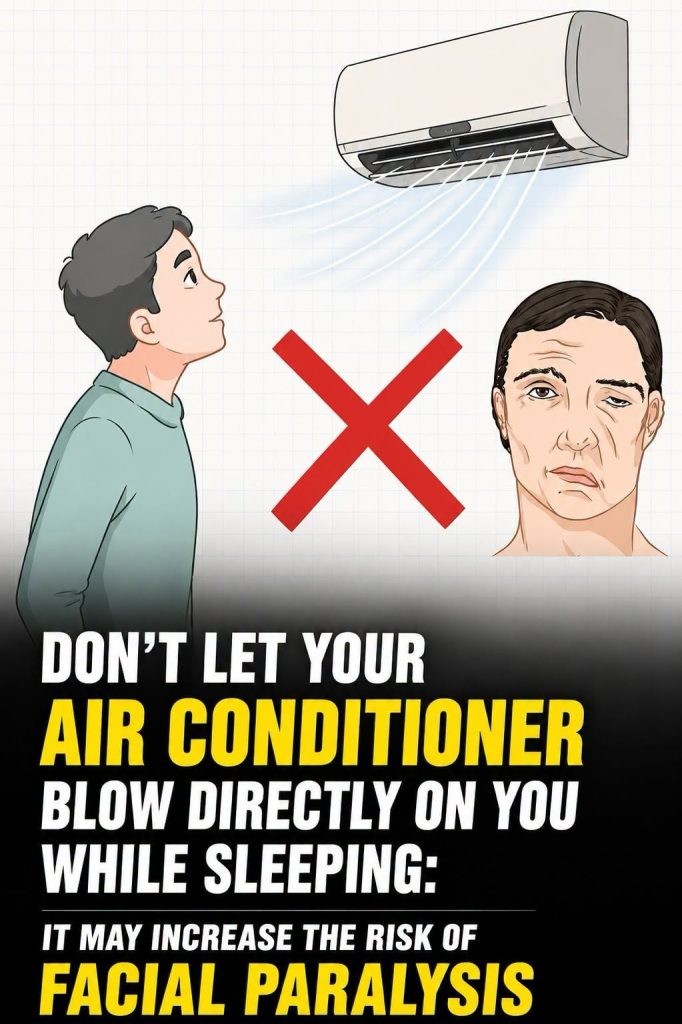
Sleeping with Air Conditioning: Can Cold Air Cause Facial Paralysis?
Introduction
Air conditioning (AC) has become a staple in modern homes and workplaces, providing relief from high temperatures and ensuring comfortable indoor environments. However, concerns are often raised about possible health risks associated with prolonged exposure to air conditioning, especially during sleep. One commonly discussed issue is whether cold air from an AC unit blowing directly onto the body could cause or increase the risk of developing facial paralysis, particularly in vulnerable groups. This article examines the evidence, explores expert views, and offers guidance on safe and healthy cooling practices.
Understanding Facial Paralysis: Causes and Mechanisms
Facial paralysis is a medical condition characterized by the loss of voluntary muscle movement in the face. One of the most well-known forms is Bell’s palsy, which typically occurs when the facial nerve—known as the seventh cranial nerve—becomes inflamed. This inflammation results in weakness, drooping, or an inability to control facial expressions on one or both sides of the face.
According to medical experts and authoritative health organizations, Bell’s palsy and other forms of facial paralysis are most commonly linked to:
- Viral infections: The herpes simplex virus (HSV) has been identified as a leading cause of Bell’s palsy. Other viruses, such as Epstein-Barr (which causes mononucleosis) and varicella-zoster (which causes shingles), may also play a role.
- Immune system responses: Sometimes, the body’s immune response to infection or inflammation can inadvertently damage nerve tissues, including the facial nerve.
- Underlying health conditions: Disorders such as diabetes and high cholesterol may increase an individual’s risk. These conditions can affect circulation and nerve health, potentially making nerves more susceptible to inflammation or injury.
Can Air Conditioning Cause Facial Paralysis?
There is a common misconception that exposure to cold air—from air conditioning, fans, or drafts—directly causes facial paralysis. This belief is widespread in some cultures, where avoiding cold wind or AC on the face is considered a health precaution. Scientifically, however, cold air alone is not a direct cause of facial paralysis.
Health professionals emphasize that the main contributing factors remain infection, inflammation, and systemic health issues. Nonetheless, some experts concede that prolonged direct exposure to cold air while sleeping may, in rare cases, act as a trigger for nerve inflammation in sensitive individuals. This tends to be a factor only among people who already have predisposing medical or physiological vulnerabilities.
Who Might Be at Greater Risk?
While most people can safely sleep with air conditioning running, certain groups may be at higher risk of experiencing health issues—including potential nerve problems—due to cold exposure. These include:
- People with compromised immune systems: Immune deficiencies, organ transplant recipients, or those undergoing immune-suppressing treatments may be less able to mount protective responses against nerve inflammation.
- Older adults: Aging is associated with a natural decline in immune function and changes in blood flow, making recovery from inflammation or infection slower and more difficult.
- Individuals with diabetes or cardiovascular conditions: These conditions can impair circulation and nerve health, leaving peripheral nerves (including the facial nerve) potentially more exposed to inflammatory triggers.
- People with underlying chronic inflammation: Chronic autoimmune or inflammatory diseases may further raise the risk.
It is important to note that, for the majority of people in good health, running an air conditioner does not significantly raise the risk of facial paralysis. The role of cold air is much less pronounced than that of the primary risk factors mentioned above.
The Role of Environmental Triggers
Cold environments or sudden changes in temperature can be stressful for the body, particularly during sleep when physiological functions slow down and the immune system is less active. In people who are already predisposed to nerve inflammation due to viral infection or an existing medical condition, exposure to cold air may provide the final trigger needed to induce symptoms.
However, scientific studies have found no definitive evidence that air conditioning is a primary cause of Bell’s palsy or facial paralysis. Instead, these studies highlight the multifactorial nature of the condition, with environmental exposures being at most a minor contributor in select cases.
Medical Perspective: Recognizing Early Symptoms
Timely intervention is crucial for effective treatment of facial paralysis. Medical professionals recommend that anyone experiencing sudden onset of facial weakness, numbness, or difficulty controlling facial muscles should seek prompt medical evaluation. Early warning signs may include:
- Mild weakness or loss of control on one side of the face
- Numbness or a tingling sensation in the facial region
- Difficulty closing the eyelid or raising the eyebrow on the affected side
- Drooping of the mouth or difficulty smiling
These symptoms often start suddenly and are not typically progressive over weeks or months.
Immediate medical assessment is essential. Treatment options, such as corticosteroids or antiviral medication, are most effective when started soon after symptoms begin. In most cases, the outlook for recovery is favorable, with many people experiencing a full or significant return of facial function within weeks to months.
Expert Opinions and Scientific Consensus
Leading health organizations, such as the Mayo Clinic and the Centers for Disease Control and Prevention (CDC), stress that Bell’s palsy and similar conditions have complex origins, with viral and immune factors taking precedence over environmental exposure. When questioned about AC use and facial paralysis, the consensus among physicians and neurologists is that typical use of air conditioning does not pose a significant threat to nerve health for most people.
However, they often suggest simple precautions for those who may be more sensitive or have relevant underlying health conditions. Adjusting the AC to avoid direct cold airflow on the face, using a timer to limit overnight exposure, and covering oneself lightly with a sheet can help reduce the impact of cold air while maintaining comfort.
Safe and Healthy Air Conditioning Habits
Good air conditioning practices protect not only nerve health but also overall well-being. The following measures are recommended, especially in hot climates or during summer months:
- Avoid direct airflow on the body: Position the vents so the air does not blow directly onto the bed or face.
- Keep the room at a moderate, stable temperature: Experts recommend maintaining indoor temperatures between 24°C–27°C (75°F–80.5°F).
- Use a programmable thermostat or timer: Allow the AC to run during the earliest, hottest hours, then turn off automatically, or set the temperature higher during the coolest parts of the night.
- Stay hydrated: Air conditioning can lower humidity, leading to dryness in the mouth, nose, and eyes. Drink water regularly and consider using a humidifier if needed.
- Regularly maintain the AC unit: Clean or replace filters to ensure efficient operation and minimize the risk of respiratory problems from dust or allergen buildup.
Families with children, older adults, or people with chronic illnesses should be especially vigilant about these practices to maintain optimal comfort and health.
International Perspectives and Societal Views
In many cultures, particularly in East Asia, there remains a traditional belief that exposure to cold drafts or air conditioning increases the risk of various illnesses, including facial paralysis. This belief is reflected in advice commonly given by family elders and some healthcare practitioners. Nevertheless, scientific research globally continues to reaffirm that, while cold exposure may contribute to overall discomfort or exacerbation of pre-existing conditions, it should not be considered a primary cause of facial nerve paralysis.
In countries with widespread AC usage, such as the United States or those in the Middle East, facial paralysis rates do not correspondingly rise with increased use of air conditioning, further supporting the conclusion that the relationship is, at best, indirect and weak.
Conclusion
Based on current scientific understanding and expert consensus, air conditioning is generally safe and beneficial for most people when used appropriately. Direct and prolonged exposure to cold air, especially during sleep, may cause discomfort or slightly increase the risk of complications in individuals with specific health vulnerabilities. However, the most common causes of facial paralysis remain viral infection, immune response, and underlying health problems such as diabetes or cardiovascular disease.
To minimize any risk, simple steps—such as avoiding direct airflow on the face, maintaining stable room temperatures, and monitoring personal health—are effective and widely recommended. As always, anyone experiencing unexplained facial weakness or changes in sensation should seek prompt medical attention for proper diagnosis and care.
Sources
- Mayo Clinic – Bell’s Palsy Overview
- Centers for Disease Control and Prevention (CDC)
- NHS – Bell’s Palsy
- World Health Organization (WHO) – Nerve Disorders
- BBC Health – AC Use and Health
Disclaimer: This content is intended for entertainment purposes only and is not based on real events.