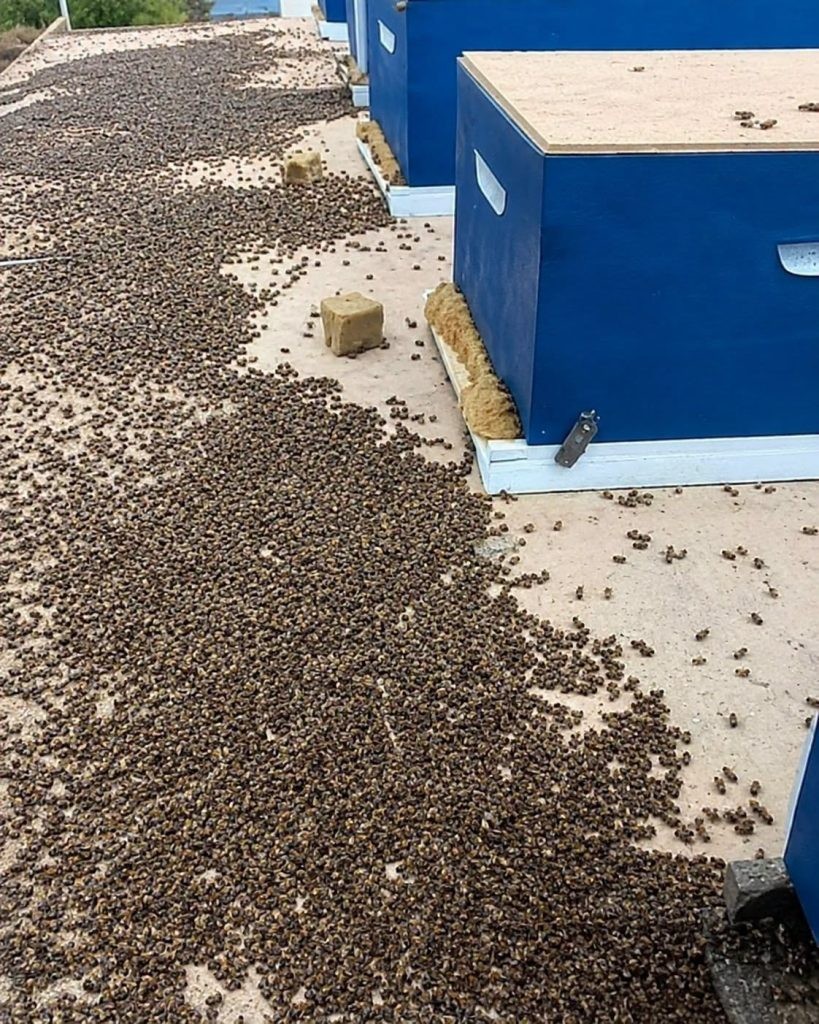
Bees Are Dying: The Far-Reaching Risks Beyond the Hive
The phenomenon of declining bee populations has rapidly emerged as one of the most pressing environmental challenges of our era. While the welfare of pollinators like bees might seem secondary within the global environmental debate, scientific evidence demonstrates that their survival is intricately intertwined with ecosystem stability, food security, and even the health of human societies. As concerns mount over pesticides, habitat loss, and climate stress, understanding and addressing the plight of bees is essential for safeguarding the environmental balance on which we all depend.
The Vital Role of Bees in Ecosystems and Food Production
Bees, particularly wild species and domesticated honeybees, are the world’s most efficient and prevalent pollinators. According to the Food and Agriculture Organization (FAO), about 75% of the world’s food crops depend at least in part on pollination by insects and other animals, with bees accounting for a substantial share. They are responsible for the pollination of vital fruit and vegetable crops, such as apples, blueberries, almonds, cucumbers, and tomatoes, as well as crops grown for seed or oil, like sunflowers and canola.
The process of pollination occurs when bees transfer pollen from flower to flower as they forage for nectar and pollen. This not only facilitates plant reproduction but also directly influences the yield and quality of many agricultural products. Beyond agriculture, healthy bee populations support wild plant diversity, which in turn forms the foundation for terrestrial ecosystems, providing food, oxygen, and habitat for countless species.
Drivers of Bee Population Decline
Alarmingly, the decline of bee populations is being driven by a convergence of threats—most notably, pesticide use, loss of habitat, and the escalating effects of climate change.
Pesticides and Chemical Exposures
One of the leading drivers of bee mortality is the widespread use of pesticides in agricultural settings, especially neonicotinoid insecticides. Research published in journals such as Nature and reported by the BBC underscores how these chemicals can disrupt bees’ foraging abilities, navigation, reproduction, and immune responses, even at sublethal doses. Exposure to multiple chemical agents—sometimes referred to as a “chemical cocktail”—can have synergistic negative effects, further endangering bee health.
Habitat Loss and Fragmentation
The expansion of intensive agriculture, urban development, and monoculture farming practices has drastically reduced the diversity and availability of flower-rich habitats. Bees depend on a wide range of flowering plants to provide nutrition throughout the season and require safe spaces for nesting, whether underground, in hollow stems, or in dead wood. The conversion of meadows, hedgerows, and natural landscapes to farmland has left many pollinators with diminishing resources and fragmented populations, which can accelerate local extinctions.
Climate Change Stressors
Rising global temperatures, shifting precipitation patterns, and increased frequency of extreme weather events pose significant challenges to bee survival. Climate change can lead to mismatches between the timing of flower blooming and bee emergence, disrupting vital feeding and pollination cycles. Severe droughts, heatwaves, and flooding can further threaten both bees and the plants they depend on. According to the Guardian, the climate crisis now acts as a “threat multiplier” for already stressed bee populations worldwide.
Diseases, Parasites, and Invasive Species
Diseases such as American foulbrood and Nosema, as well as parasitic mites like Varroa destructor, continue to devastate both wild and managed bee colonies. The globalization of trade and human movement facilitates the spread of these pathogens and pests. In certain regions, invasive bee species may also outcompete native bees, further reducing biodiversity.
The Ecological Ripple Effect of Bee Decline
The impacts of dwindling pollinator populations extend far beyond the agricultural fields. Bees are keystone species, playing a foundational role in maintaining ecological balance. Reduced pollination results in fewer seeds and fruits, diminishing food sources for birds, mammals, and other insects. Plant communities become less resilient, and entire ecosystems can transition to lower levels of biodiversity. The loss of bee-driven plant reproduction also affects soil health, carbon storage, and water cycles, compounding environmental stress.
In agricultural terms, inadequate pollination translates to lower yields and less stable harvests. A Reuters special report details how crops such as apples, cherries, and blueberries have experienced measurable reductions in productivity in regions with depleted bee populations. The heightened vulnerability of monocultures to pollination failure leaves food production increasingly exposed to sudden shocks.
Economic and Societal Repercussions
The global food system relies on a stable supply of pollinated crops, many of which provide essential nutrients, vitamins, and dietary diversity. The estimated annual value of pollination to agriculture stands between $235 billion and $577 billion, according to the Intergovernmental Science-Policy Platform on Biodiversity and Ecosystem Services (IPBES). If bee populations continue to fall, farmers may face higher costs as they resort to manual pollination or experience losses due to reduced quality and quantity of crops.
A 2022 study published by the Centers for Disease Control and Prevention (CDC) highlights the public health implications as well. Reduced availability of fruits, nuts, and vegetables can lead to poorer nutrition, exacerbating chronic conditions and food insecurity in vulnerable populations. In rural communities, particularly in developing countries, the decline of pollinator-dependent crops can significantly undermine livelihoods.
Science-Backed Solutions for Bee Protection
Despite the scale and complexity of the problem, researchers and policymakers have identified tangible strategies to support pollinator recovery and resilience.
Reduce and Regulate Pesticide Use
The phased restriction or outright banning of certain neonicotinoids in the European Union has provided a regulatory model embraced by some countries seeking to safeguard bees. Policies that limit the use of hazardous pesticides, particularly during flowering periods, reduce exposure risks. The adoption of integrated pest management (IPM) approaches helps decrease chemical reliance by using biological controls, crop rotation, and targeted application of less toxic alternatives.
Restore and Protect Habitat
Reestablishing wildflower meadows, planting native flowering shrubs and hedgerows, and maintaining uncultivated field borders are scientifically proven to boost both wild and managed bee populations. Conservation measures that protect nesting sites, such as preserving dead wood and undisturbed soil, are similarly beneficial. Urban gardens, parks, and green roofs—when planted with pollinator-friendly species—create vital “stepping stones” across developed landscapes.
Adopt Pollinator-Safe Agricultural Practices
Modern farming practices can be adapted to be more bee-friendly without sacrificing productivity. Techniques like crop rotation, intercropping, diversified planting, and reduced mowings promote floral diversity and continuous bloom throughout the season. The planting of flower strips and maintenance of pesticide-free zones have been shown in studies by Mayo Clinic researchers and others to increase bee abundance and diversity.
Support Research and Monitoring
Ongoing scientific research, long-term ecological monitoring programs, and citizen science initiatives are vital for tracking pollinator health and the effectiveness of intervention strategies. Accurate data helps inform policy decisions and prioritize conservation actions in areas of greatest risk.
Community and Individual Action
Everyone can contribute to the solution. Planting nectar- and pollen-rich flowers in home gardens, avoiding toxic chemicals, and supporting local biodiversity initiatives strengthens local pollinator populations. Educational campaigns help raise awareness about the crucial role of bees, fostering a culture of stewardship across urban and rural communities.
The Broader Implications: A Warning Signal for Global Environmental Health
The decline of bees serves as both a warning and a call to action. Their survival is linked not only to food production and ecosystem stability, but to the overall health of the natural systems that sustain human life. Their weakening populations signal environmental imbalances that demand urgent, coordinated, and science-based responses from society, governments, and industry.
As we look toward the future, recognizing the essential role of bees and all pollinators becomes the foundation for building resilient food systems, thriving ecosystems, and a sustainable world for future generations.
Sources
- Reuters
- BBC
- The Guardian
- World Health Organization (WHO)
- Centers for Disease Control and Prevention (CDC)
- Mayo Clinic
- FAO
- IPBES
Disclaimer: This content is intended for entertainment purposes only and is not based on real events.