Show Me Your Feet: A Lifelong Act of Love and Preventive Care
Introduction: Love, Health, and Daily Routines
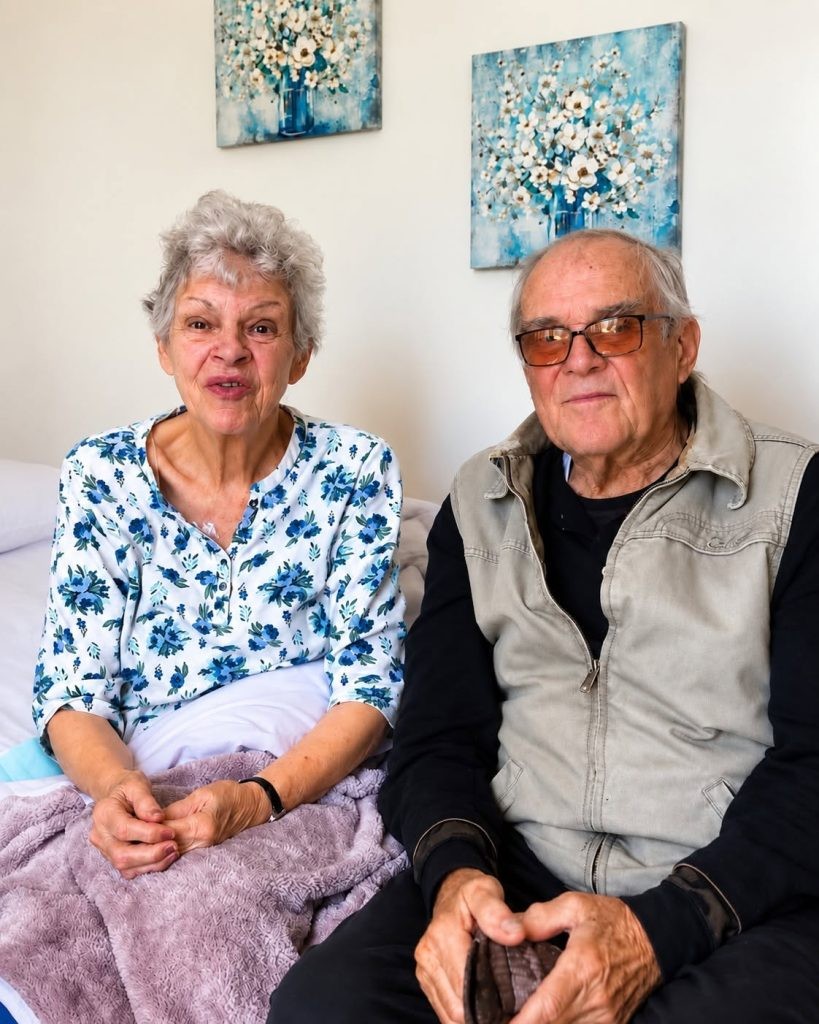
At 82, Margaret attended what she thought would be a routine doctor’s appointment. She did not expect it to turn into a moment of reflection on her five-decade-long marriage. During her visit, her doctor asked a simple question: “Has your husband ever insisted that you do something every day?” Margaret smiled knowingly. “Yes,” she replied. “For 54 years.” This seemingly ordinary exchange opened the door to an extraordinary story—a blend of love, routine, and the unspoken devotion that had shaped her life with Robert, her husband of 56 years.
Outside the examination room, Robert was waiting, a habit he had maintained for most of their marriage. Every night before bed, he would ask Margaret to remove her shoes and socks and sit with her feet under the bathroom light. With careful attention, he examined her feet—a ritual that might appear peculiar at first, but was deeply rooted in concern, preventive medicine, and love.
The Origin of a Lifelong Habit: A Turning Point
This distinctive routine began over five decades ago when Margaret was just 28. She survived a serious car accident that left her with lasting nerve damage in her feet. The extent of the injury meant she could no longer reliably feel sensations like heat, pain, or pressure in certain areas. As a result, Margaret was at risk for unrecognized injuries, and the potential consequences concerned her medical team.
Accidents had already happened: she once stepped on broken glass and was unaware of the cut until Robert discovered it later. Another time, she burned her foot but felt nothing. Medical professionals warned Margaret and Robert that undetected injury could become life-threatening if not quickly addressed. From that point forward, Robert took their advice to heart, vowing to check Margaret’s feet every night for any signs of cuts, swelling, blisters, or changes in color—anything that could indicate a problem.
Nerve Damage: Risks and Reality
Margaret’s experience highlights a common medical issue known as peripheral neuropathy, which affects millions of people worldwide. Conditions like diabetes, injury, and certain infections can cause nerve damage, leading to loss of sensation in extremities (often feet). The inability to feel pain, heat, or injury increases the risk of unnoticed wounds and secondary complications such as infection or ulceration. The Mayo Clinic emphasizes that people with nerve damage must be especially vigilant about monitoring their extremities.
For Margaret, Robert’s nightly foot checks became a critical line of defence, embodying the medical advice given by doctors. While some might find the routine tedious or intrusive, for Margaret it steadily became a source of security—one that combined attentive care with the subtle language of commitment and affection.
The Nightly Routine: More Than Just a Health Check
Every evening, the couple enacted a ritual that was as much about health as about connection. Under the bright bathroom light, Robert would gently inspect Margaret’s feet, methodically working his way around toes, soles, and heels. He looked for any abnormalities—redness, swelling, cracks, blisters, burns, or cuts—and voiced even the slightest concern. Margaret often teased him about his diligence, and sometimes lightly complained about the inconvenience. Yet, Robert replied consistently: “I’d rather be careful.”
This was an act of love played out in the quiet language of routine. For Robert, the nightly check was a way to care for his wife in a way words could not express. For Margaret, it was a constant reminder that her vulnerability was met with unyielding support.
Research from the Centers for Disease Control and Prevention (CDC) underscores the importance of inspecting feet for those with reduced sensation, especially among older adults and people with conditions such as diabetes. Regular foot checks significantly reduce risk of infections, severe injuries, and amputations.
A Doctor’s Perspective: Preventive Care at Its Heart
Many years after establishing their routine, Margaret returned to the hospital following a minor fall. During her examination, the attending physician observed residual areas where Margaret lacked sensation and needed to be especially vigilant. When Margaret explained Robert’s nightly routine, the doctor expressed admiration. “Then your husband has been watching for the things you might not be able to feel yourself,” he remarked.
The importance of “proxy” care—where a spouse or loved one helps to monitor health risks—cannot be underrated. Medical professionals view the involvement of trusted family members as a powerful means of supplementing individual vigilance, particularly for elderly patients or those living with chronic conditions. According to the UK National Health Service (NHS), this kind of supportive care can drastically improve outcomes and quality of life.
During her hospital visit, the doctor noticed a minor injury between Margaret’s toes—an area she had not felt nor seen. The discovery reinforced the routine’s importance. Robert, immediately concerned, declared that he would start checking between her toes as well. The mood lightened as Margaret and the doctor shared a laugh. In this moment, the simple act of examining a loved one’s feet was recognized as essential preventive care.
Expert Insights: The Science of Daily Health Checks
The act of daily foot inspection is widely recommended by health experts, especially for individuals with peripheral neuropathy or diabetes. Dr. Jane Jeffries, a podiatric specialist, notes, “Most severe complications occur when people are unaware of a developing problem. The earlier an issue is identified, the better the outcome. Family support can be a game-changer.”
In many cultures, caregiving is a shared responsibility, but the daily attention paid by a spouse, as in Margaret and Robert’s case, can make all the difference. It is a collaborative approach that empowers people to manage chronic conditions at home, lessening dependence on clinical settings alone.
The World Health Organization (WHO) stresses the importance of preventive measures in managing chronic health conditions. Regular self-checks, caregiver involvement, and ongoing communication with healthcare providers form the foundation of proactive health management.
The Social and Emotional Dimensions
The story of Margaret and Robert goes beyond medical best practices; it touches on how routines can reflect emotional bonds. As the years passed and Robert’s hands aged, Margaret realized that his actions had always been coded with meaning. He had never been someone to overtly express his feelings, but his nightly request—“Show me your feet”—became an unspoken affirmation of love and vigilance.
In the context of long marriages and life with chronic illness, small acts of care often speak louder than grand gestures. According to psychologists, shared routines can sustain intimacy, reinforce trust, and build resilience in relationships. As spouses age together, these habits not only buffer against physical decline but foster emotional security.
Families worldwide face similar challenges, whether from neuropathy, diabetes, or other long-term conditions. The international medical community advocates for education, early intervention, and strong family networks as crucial resources. Societal attitudes toward aging and caregiving vary, but universally, the significance of attentive, daily care is recognized as indispensable.
Conclusion: A Simple Act, a Profound Impact
The story of Margaret and Robert resonates far beyond their own lives. It is an example of how medical recommendations, when combined with steadfast love and everyday attention, can safeguard health and prolong independence. What began as a doctor’s warning transformed into a ritual—one that protected Margaret for decades and demonstrated a lifetime’s devotion.
Robert’s methodical approach, though modest in appearance, was rooted in science and affection. His nightly routine became a testament not only to effective preventive care but to the enduring power of partnership. As Margaret came to understand, each careful inspection was more than a health check: it was a living expression of love—delicate, practical, and profound.
As we consider the lessons from their story, it becomes clear that health and relationships are intertwined. Through small acts performed consistently over time, families can help guard against invisible threats and ensure that their loved ones feel both safe and cherished.
Sources
- Mayo Clinic – Peripheral Neuropathy
- CDC – Healthy Feet Matter for People with Diabetes
- NHS – Peripheral Neuropathy
- WHO – Diabetes Fact Sheet
- BBC – Health
- Reuters – Science and Health
- The Guardian – Health
Disclaimer: This content is intended for entertainment purposes only and is not based on real events.