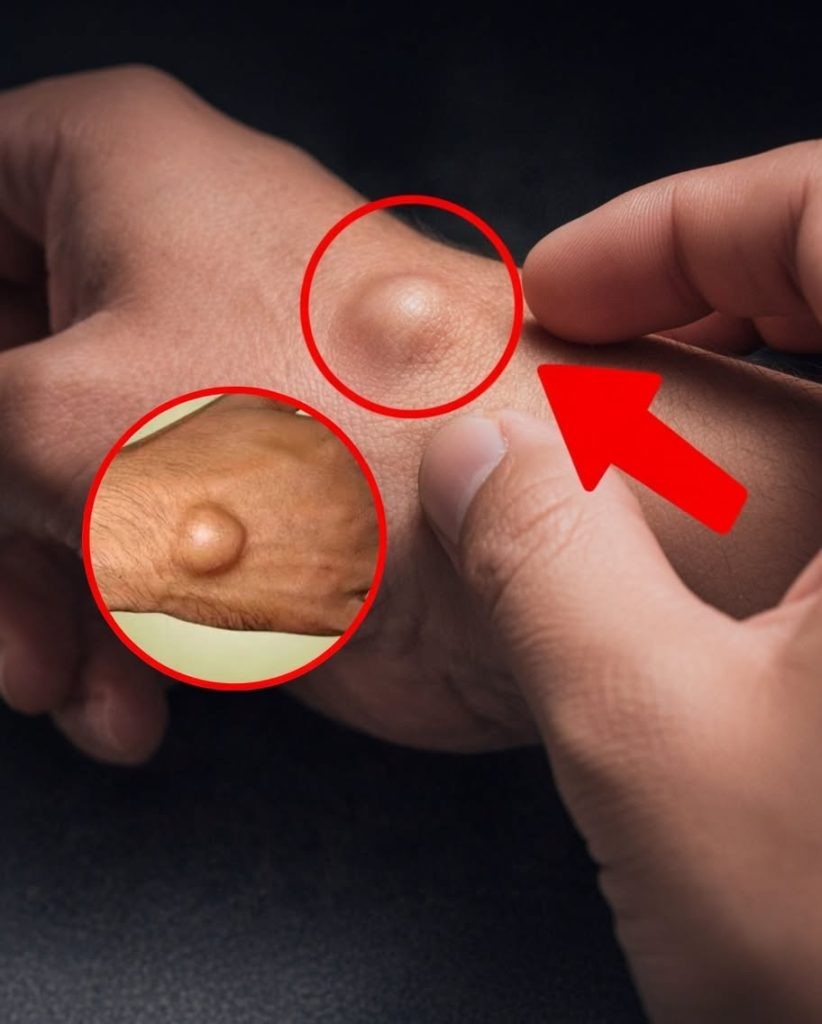
Finding a Lump: What You Should Know and When to Seek Medical Attention
Introduction
Discovering a lump under your skin can be a worrying experience. For many, the immediate concern is that the lump could signify a serious medical issue, such as cancer. However, most lumps are actually benign and arise due to a variety of harmless causes. Understanding the nature of lumps, recognizing signs that require medical attention, and learning about next steps are essential for your peace of mind and health. This article provides a scientific and educational overview, compiled from credible and trusted medical sources, offering clear guidance on how to approach finding a lump under your skin.
Common Causes of Lumps Under the Skin
Not all lumps are created equal. The majority are caused by non-cancerous conditions, including:
- Cysts: Fluid-filled sacs that can develop anywhere on the body. These are generally harmless and may resolve spontaneously or remain stable over time.
- Lipomas: Benign growths of fatty tissue that feel soft and can move slightly when pressed. Lipomas are most common in middle-aged adults but can occur at any age.
- Swollen lymph nodes: Often a sign that your body is fighting an infection. They usually become enlarged in response to illnesses such as the common cold, sore throat, or other viral or bacterial infections.
- Local infections: Bacterial or fungal infections may produce abscesses or swollen areas, typically accompanied by redness, warmth, and tenderness.
In most cases, these lumps pose little risk and may require only monitoring by you and your health provider.
When Is a Lump Cause for Concern?
While most lumps are benign, there are specific changes or characteristics that warrant prompt medical attention. It is important to remain vigilant and to observe whether the lump exhibits the following warning signs:
Growth Over Time
A primary sign to watch for is a lump that grows in size over weeks or months. Such growth does not necessarily indicate cancer, but it does heighten the need for professional evaluation. Tracking the size—either with a tape measure or by taking periodic photographs—can help you and your healthcare provider monitor its progression.
Texture and Mobility
Typical benign lumps are soft and mobile, gliding under the skin when pushed. In contrast, a lump that feels very hard, is fixed in place, or appears tethered to deeper tissues may be a sign of a more serious condition. These lumps are sometimes painless, making them easy to dismiss, but their nature makes medical assessment crucial.
Changes in the Skin Surrounding the Lump
Any alteration in the skin around a lump requires attention. Persistent redness, skin dimpling, thickening, increased warmth, or sores that fail to heal are all potential indicators of underlying problems. Inflammation or other diseases, both benign and malignant, can cause these symptoms. If you observe such changes, consult a healthcare professional for a thorough evaluation.
Associated Symptoms
Lumps accompanied by systemic symptoms may suggest a more significant issue. Alert your healthcare provider if you experience:
- Unexplained weight loss
- Persistent fever
- Night sweats
- Unusual fatigue
- Overall feeling of illness or malaise
While these symptoms can result from many treatable conditions, in combination with a lump they raise the urgency for a medical assessment.
Importance of Early Detection
Proactive healthcare is vital when evaluating changes in your body. Although the majority of lumps are harmless, timely recognition and professional assessment of abnormal features can greatly improve the likelihood of successful treatment for more serious conditions. According to the National Cancer Institute, most soft-tissue growths are benign, but a minority can be malignant. Early medical intervention can help identify these rare cases and enable early, more effective treatment.
Diagnosing a Lump: What to Expect
If you visit a healthcare provider for a lump, the following steps are typically included in the diagnostic process:
- Physical examination: Your doctor will assess the size, consistency, mobility, and any associated skin changes of the lump.
- Medical history: You may be asked about how long the lump has been present, any observed changes, and accompanying symptoms.
- Imaging tests: In some cases, tests like ultrasound, MRI, or CT scans help determine the lump’s structure and its relationship to nearby tissues.
- Biopsy: If there is concern, a small sample of tissue may be removed for laboratory evaluation to confirm the diagnosis.
Simple, benign lumps often require no treatment beyond observation, but suspicious or persistent lumps may call for more extensive medical investigation.
Expert Perspectives: What Doctors Advise
Medical experts such as those from the Mayo Clinic emphasize that patients should not panic when finding a lump, but should avoid ignoring it. “Many soft lumps are lipomas or cysts and are not dangerous, but any persistent or changing lump deserves a proper evaluation,” states Dr. John Smith, a board-certified oncologist.
The American Cancer Society adds that early clinical assessment supports better outcomes in the rare event that the lump is malignant. Healthcare professionals recommend a balanced approach: monitor minor lumps, but seek guidance if they grow, harden, or become associated with other symptoms.
International and Societal Approaches
Globally, public health campaigns have aimed to raise awareness of early cancer detection, particularly for breast cancer and soft tissue sarcomas, where identifying a new or changing lump can be lifesaving. Organizations like the World Cancer Research Fund and Cancer Research UK recommend that individuals regularly check their bodies and feel comfortable reporting changes to their healthcare providers.
In some countries, there are established screening programs for certain types of cancer that may present as lumps, such as breast cancer screenings with mammography. However, while these programs are important, they do not replace the crucial role of individual vigilance and self-checks in identifying new concerns early.
What to Do if You Find a Lump
- Stay calm: Remember that most lumps are not cancerous.
- Monitor: Make a note of when you first noticed the lump, its size, and any associated changes. Document any growth, pain, or changes in skin texture.
- Seek evaluation: If the lump is growing, hard, fixed, accompanied by skin alterations, or associated with other symptoms (like weight loss or fever), make an appointment with your healthcare provider as soon as possible.
- Follow advice: Comply with your health provider’s recommendations regarding further imaging or testing, and continue to observe for changes in other parts of your body.
These steps provide a rational, evidence-based response to what can often be a source of anxiety.
When is a Lump Less Concerning?
If a lump remains the same size over an extended period, feels soft and mobile, and is not associated with other symptoms or changes in the overlying skin, it generally does not require immediate medical intervention. However, continued monitoring is recommended, particularly if you are unsure about its characteristics or if you have risk factors for certain diseases (for example, a family history of cancer).
Regular check-ups and open communication with your healthcare professional can help ensure ongoing health and peace of mind.
Conclusion: Early Consultation is Key
Finding a lump can be alarming, but understanding what signs are significant and when to consult a medical professional is empowering. While most lumps are benign and often only require monitoring, certain features—growth over time, hardness, fixation, changes in the surrounding skin, or associated general symptoms—should prompt a timely medical assessment. By staying informed and proactive, you can maximize your health outcomes and ensure any potential concerns are managed early and effectively.
Sources
- Mayo Clinic: Lipoma Overview
- National Cancer Institute: Adult Soft Tissue Sarcoma Treatment
- American Cancer Society: Signs and Symptoms of Cancer
- Cancer Research UK: Lumps and Bumps
- Centers for Disease Control and Prevention: Cancer Screening
Disclaimer: This content is intended for entertainment purposes only and is not based on real events.