Understanding the Vintage Squeeze Coin Purse: Design, History, and Lasting Appeal
Introduction to the Vintage Squeeze Coin Purse
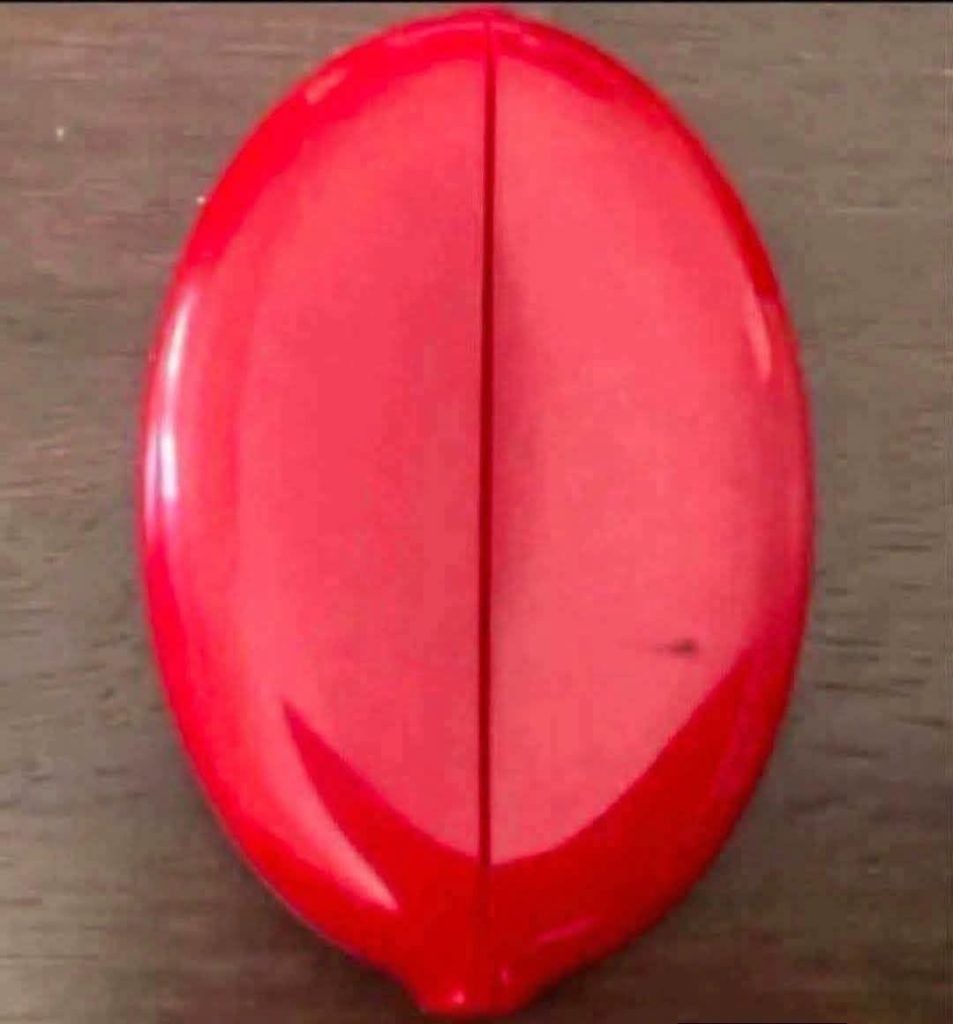
The vintage squeeze coin purse is a small, unassuming yet remarkably clever object whose design and cultural impact have endured through the decades. Often taking the form of a seamless, brightly colored oval, this accessory has, at times, been mistaken for an earbud case, compact mirror, fidget toy, or lens holder. However, its primary purpose throughout history has been to carry coins and other small objects conveniently and securely. Known colloquially as the “Quikey” or “Oval Squeeze Purse,” this item showcases the intersection of practical ingenuity and everyday design.
The Ingenious Mechanism: Simple Physics at Work
Central to the squeeze coin purse’s iconic status is its unique, mechanical-free operation. Unlike traditional coin purses or wallets that use zippers, buttons, snaps, or Velcro, the squeeze purse relies solely on the properties of its flexible material—usually rubber or vinyl. The body of the purse features a central slit that remains tightly closed due to the natural tension of the material. To access the contents, the user simply squeezes the narrow ends, causing the walls to arch outward and the slit to open. Upon release, the purse returns to its original form and self-seals instantly. This simple yet robust mechanism grants ease of use and minimizes the risk of coins falling out.
The efficiency of this design demonstrates how thoughtful engineering need not be complicated. The squeezable coin purse is a perfect example of applying basic physical principles—taking advantage of flexible elasticity and tension—to create a solution that is both secure and easily operable with one hand. The absence of mechanical parts also contributes to its durability, making it less susceptible to wear and breakage compared to other containers.
Midcentury Popularity: A Practical Solution for Everyday Life
The rise to popularity for the squeeze coin purse came during the mid-20th century, particularly from the 1950s through the 1980s, in North America and Europe. At a time when coins were an essential part of daily life, these purses played a significant role in helping people manage small change for a variety of transactions. Public telephones, buses, parking meters, vending machines, and laundromats all required readily available coins, driving demand for convenient carry solutions.
The compact size, durability, and secure closure of the purse made it practical for adults and children alike. Its soft material meant it could be comfortably carried in a pocket or bag, and its cheerful array of colors and designs added a touch of personal expression. The squeeze coin purse became, for many, a daily companion—handy for errands, commuting, or making small purchases.
During this period, several companies and manufacturers contributed to the widespread adoption of the squeeze coin purse. Brands such as Quikey Coin Holders became synonymous with this product in the United States, offering high-quality, reliable purses manufactured at scale.
Promotional Uses: A Tool for Branding and Marketing
The squeeze coin purse’s practical appeal and cost-effective production also made it an ideal promotional product. Businesses of all types—including banks, gas stations, insurance agencies, hardware stores, and more—saw the coin purse as a valuable vehicle for advertising. Their names, logos, addresses, and telephone numbers were frequently printed on the exterior in bright, contrasting colors. These custom-branded purses were distributed at community events, schools, and retail locations as complimentary giveaways.
This marketing strategy provided a win-win situation: businesses received ongoing publicity every time a customer used the purse, and the recipients benefited from a useful, attractive, and durable accessory. Today, many vintage promotional squeeze coin purses still bear the logos of long-gone companies, offering a snapshot of midcentury advertising trends and design aesthetics.
Decline and Continued Utility in the Digital Age
The introduction of electronic payment systems, credit cards, and digital wallets in the final decades of the 20th century led to a slow decline in the daily use of physical coins. The squeeze coin purse, like many analog accessories, saw its role diminish as society shifted towards cashless transactions.
Nevertheless, these purses retain their utility for a range of everyday needs. They are still invaluable for holding coins where cash transactions remain common, such as in public transportation or street markets. Beyond coins, users have adapted the squeeze coin purse for storage of a wide variety of small items: tokens, guitar picks, earbud tips, charging cables, jewelry, keys, and even medication.
The soft, compressible nature of the material helps protect contents from scratching or tangling, keeping even delicate items secure. Due to this versatility, the squeeze coin purse continues to be manufactured and sold today, both as a nostalgic product and a modern convenience.
Design Elements and Materials: Form Meets Function
One of the most distinctive features of the squeeze coin purse is its often vibrant color palette. Red, green, blue, yellow, and other bright hues made these purses easy to spot inside a bag or among personal belongings. The addition of advertising graphics or whimsical patterns further enhanced their visual appeal, transforming a utilitarian object into a mini canvas for midcentury graphic design.
Manufacturing methods have also evolved over time. Early purses were typically produced from natural rubber, valued for its flexibility and resilience. Later on, synthetic materials like vinyl were introduced, offering increased durability, color options, and lower costs. These materials were chosen not only for their functional properties but also because they could withstand frequent squeezing without cracking or losing shape.
The minimalist construction—often a single molded piece with a precisely engineered slit—minimized points of failure, reinforcing the product’s reputation for lasting quality. This focus on functionality and durability helped establish the squeeze coin purse as an iconic everyday object.
Nostalgia and Collectibility
In recent years, the vintage squeeze coin purse has enjoyed a resurgence among collectors and fans of retro design. Its status as a nostalgic item is closely linked to fond memories from midcentury childhoods, when such coin purses were common birthday party favors or prizes in cereal boxes. The charm of their tactile, squeezable nature, along with the bold aesthetics and historical advertising imprints, captivates enthusiasts who seek out both pristine examples and well-worn mementoes.
Collectors evaluate squeeze coin purses based on condition, branding, rarity, and graphics. Special editions tied to large companies, limited promotions, or unusual color combinations are often the most sought-after. Online auctions, flea markets, and vintage shops frequently feature these items, confirming their place in the world of collectible ephemera.
The squeeze coin purse also serves as a touchstone for broader conversations about the history of material culture. It reflects midcentury trends in industrial design, mass manufacturing, and everyday advertising—offering insights into how simple inventions can achieve widespread popularity and create lasting cultural impact.
Expert Views: Why the Squeeze Coin Purse Endures
Experts in design history and material culture highlight several key reasons for the squeeze coin purse’s lasting appeal. Its one-handed operation and self-sealing structure provide an elegant solution to a common problem. Dr. Jane Bennett, a scholar in everyday objects at Johns Hopkins University, has described the squeeze purse as “a case study in intuitive engineering, combining utility and delight in equal measure.” She notes that its durability, along with its capacity for mass customization, made it a favorite for advertisers and consumers alike.
According to industrial designer and author Dieter Rams, “Good design is as little design as possible”—a principle the squeeze coin purse embodies perfectly. Its minimalist shape and mechanical-free closure leave little room for malfunction, demonstrating how efficiency and user-centered thinking can create timeless products.
Furthermore, the object’s cultural resonance is strengthened by its persistence in everyday life, even as technology advances. Nostalgists and practical users alike continue to appreciate a product that solves a problem without batteries, updates, or complicated instructions.
Contemporary Uses and Sustainable Choices
As the world increasingly seeks out sustainable alternatives to disposable and short-lived goods, the squeeze coin purse offers a perfect example of “buy-it-for-life” design. Its longevity means fewer resources are needed over time, and many vintage purses are still usable after decades. Some contemporary manufacturers have begun producing new versions from recycled or biodegradable materials, updating the original design to comply with modern environmental standards.
The continued production of squeeze coin purses underscores their universal practicality. They remain affordable, easy to clean, and adaptable for a range of uses. In an era marked by technological innovation, this vintage accessory endures—a reminder that sometimes, the simplest solutions are also the most resilient.
Conclusion: Timeless Design That Endures
The vintage squeeze coin purse stands as an enduring piece of design history, blending function, form, and nostalgia in a compact, practical package. From its ingenious physics-based closure to its vivid colors and use as a marketing tool, it reflects a significant period in 20th-century culture when everyday objects were made to last and to delight.
As digital payments reshape how we handle money, the squeeze coin purse remains relevant for those who value physical currency, organization, or simply a reliable means of storage. For collectors and enthusiasts, it offers a window into design ingenuity and commercial history. Its appeal transcends generations, proving that great design can withstand the test of time.
Sources
Disclaimer: This content is intended for entertainment purposes only and is not based on real events.