Shadows and Imagination: Understanding the Science Behind Perception in Dim Light
The Paradox of Shadows: How Familiar Objects Become Unsettling
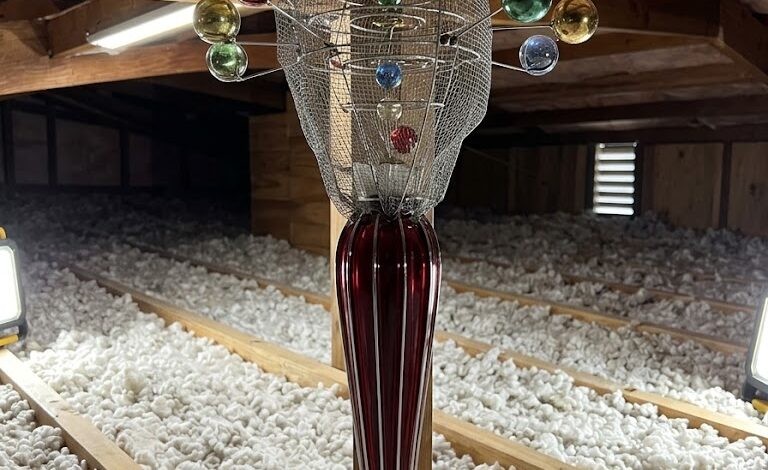
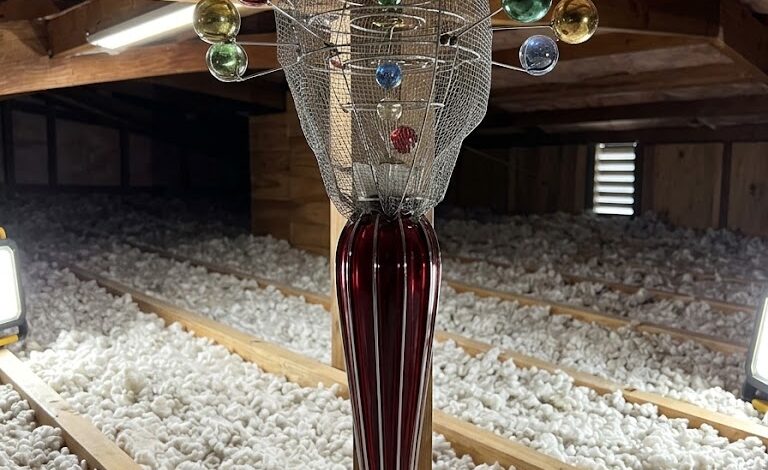
Many of us have experienced a moment of unease upon entering a dimly lit attic, basement, or storage space. An old coat on a hanger transforms into a looming figure. A pile of boxes stacked in a corner resembles someone crouching, and forgotten furniture appears to move or breathe in the shadows. Our initial emotional response is often anxiety or fear, which is quickly followed by a magnified focus on the dark corners of the room. The mind races to interpret these ambiguous shapes, even before closer inspection can reveal their true nature.
The Brain’s Response to Incomplete Information in Darkness
Studies in cognitive neuroscience confirm that the human brain is wired to seek patterns and shapes, especially in environments where visual information is scarce. Attics, which are typically filled with objects from various eras—ranging from dusty toys to tangled wires, broken furniture, forgotten photographs, and unopened boxes—are a prime location for such phenomena.
When lighting is poor, visual cues are ambiguous. Research published in the journal Psychological Science shows that low light increases cognitive ambiguity, prompting the brain to fill in gaps using familiar shapes and past experiences. A hanging cord may be interpreted as a snake or strange figure; a cracked mirror could resemble a face; a pile of clothing might be perceived as someone standing silently in the corner. Yet, as one approaches and the details resolve, these apparitions revert to their original, harmless forms: a coat, a chair, or mere reflections.
Fear and Imagination: The Science of Pattern Recognition
Imagination plays a critical role in how we perceive objects in the shadows. According to experts from the American Psychological Association, human beings are highly susceptible to pareidolia, a phenomenon where random patterns or images are perceived as meaningful—such as seeing faces in clouds or shapes in the dark. This tendency is particularly heightened in environments with limited visual information.
Fear is often rooted not in the actual objects within the room but in the story the mind creates about what might be lurking unseen. Darkness acts as a canvas, leaving gaps that the imagination fills rapidly, sometimes with frightening scenarios. This reaction has evolutionary roots; our ancestors benefited from detecting potential threats in ambiguous shadows, an instinct that persists today even in safe environments.
The Importance of Slowing Down and Gathering Information
The process of overcoming fear in dimly lit spaces is largely about acquiring detailed, factual information. Neuroscientists recommend “slowing down” and consciously observing the environment as a form of cognitive reframing. By focusing on the actual physical attributes of objects—edges, textures, colors, screws, labels, and familiar shapes—the mind can recalibrate its interpretation.
Turning on a light provides additional data that the brain can process, reducing ambiguity and gradually neutralizing fearful perceptions. Clinical psychologists from the Mayo Clinic note that this approach can help individuals overcome not only everyday anxieties about dim spaces but also more serious phobias related to darkness or unfamiliar environments.

Attics as Repositories of Memory, Not Mystery
Dust and darkness often amplify the sense of mystery around objects that have been stored away for years or decades. Attics are repositories for artifacts of daily life: old wedding dresses, children’s toys, outdated tools, and objects that once held significant meaning. Covered by layers of time, they may appear hauntingly unfamiliar, yet they are fundamentally ordinary possessions—belongings that served a purpose long ago.
Anthropologists and historians emphasize that these items tell stories about past generations, family traditions, and personal histories. The strange, otherworldly feeling produced by dim light is less a feature of the objects themselves and more about the interaction between perception and environment.
How Light Changes Perception
The relationship between light and perception has been thoroughly investigated in scientific studies. The World Health Organization emphasizes that lighting quality affects not only comfort and safety but also psychological wellbeing. Poor lighting can trigger anxiety, stress, and even hallucinations, particularly when combined with environmental cues such as clutter or unfamiliar shapes. Conversely, proper illumination allows the brain to correctly identify the contours and details of objects, collapsing the imagined threats and restoring a sense of calm.
Lighting experts recommend using adjustable ambient lighting in attics and storage spaces. “A single portable lamp can minimize ambiguity and help people feel secure,” says Dr. Laura Hayes, a lighting researcher at the University of Cambridge. This physical intervention removes the primary trigger for fearful perceptions: darkness and its attendant uncertainty.
The Role of Culture and Folklore
The tendency to fear the unknown has deep cultural roots. Across societies, attics and similar spaces feature in folklore as places of mystery or even hauntings. However, modern psychological research suggests that these fears are typically based on cognitive misinterpretations rather than genuine threats. Mythologies surrounding shadowy spaces reflect universal anxieties about what cannot be seen or clearly understood.
In literature, film, and the arts, shadows are often used as symbols of the subconscious, hidden memories, or unresolved emotions. But within the scientific framework, these reactions are explained as perfectly natural results of the human brain’s drive to interpret and categorize ambiguous information.
Expert Advice on Managing Anxiety in Dim Spaces
To address frequent experiences of unease in shadowy environments, clinical psychologists recommend practical strategies:
- Controlled Exposure: Gradually familiarize yourself with attics or storage spaces by visiting them during the day and slowly increasing exposure to darker conditions.
- Lighting Up: Use flashlights or install better lighting to reduce visual ambiguity.
- Cognitive Reframing: Consciously identify specific features of objects, reminding yourself of their ordinary origins and purposes.
- Mindfulness: Practice breathing exercises to slow down heart rate and encourage careful observation, minimizing impulsive fears.
Experts emphasize that these techniques are rooted in factual, evidence-based psychological practice and can effectively reduce anxiety and fear responses in most people.
Societal and International Perspectives
The phenomenon of misinterpreting shapes in the shadows is universal. Studies conducted by the Centers for Disease Control and Prevention (CDC) and World Health Organization (WHO) show that millions of people worldwide report feeling anxious in low-light environments. Education campaigns in several countries address these issues by promoting safe, well-lit homes and encouraging awareness of the psychological factors involved.
International design standards are beginning to incorporate guidelines for lighting in residential spaces, recognizing its impact on psychological health. This global attention reflects a growing understanding of the interplay between environmental cues and mental wellbeing.
Looking Again: The Value of Reassessment
The next time an object in the shadows makes you pause, remember that the most unsettling aspect is often created by imagination, not reality. By taking a breath, turning on a light, and looking carefully, you can transform mystery into clarity. Most “frightening” figures in dim light are simply ordinary objects waiting for your reassessment.
Ultimately, attics and other shadowy spaces are filled with only yesterday’s belongings—forgotten possessions, old memories, and items that once had meaning. Understanding the science behind perception in dim light helps us appreciate these environments for what they are, rather than what our imaginations sometimes invent.
Conclusion: Science, Storytelling, and Personal Experience
Shadowy environments naturally provoke imaginative interpretations, combining cognitive science, evolutionary psychology, and cultural history. By emphasizing careful observation and factual understanding, we can replace fear with insight and mystery with clarity. Attics and similar spaces thus remain intriguing not because of what they actually contain, but because of the stories our minds build in partial darkness.
Sources
- Reuters
- BBC
- World Health Organization
- Centers for Disease Control and Prevention
- Mayo Clinic
- Psychological Science
- The Guardian
Disclaimer: This content is intended for entertainment purposes only and is not based on real events.