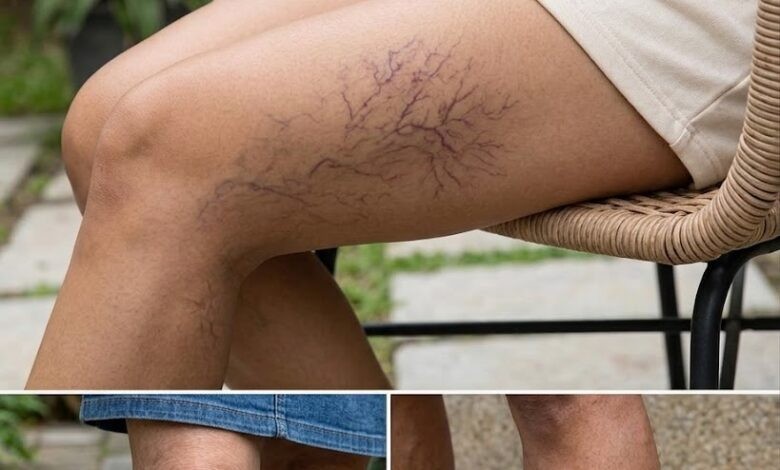
Purple Veins on Your Legs: What Do They Mean and When Should You Worry?
Purple veins visible under the skin of the legs are a common occurrence for many adults. While these veins may appear to be a simple cosmetic issue, their underlying causes can range from harmless to significant medical concerns. Understanding the characteristics of these veins, why they appear, potential risk factors, and when to seek medical attention is essential for maintaining your vascular health and overall well-being.
Understanding Purple Veins: Types and Appearance
The most frequently observed purple veins on the legs are called spider veins, or medically, telangiectasias. These threadlike veins are typically purple, blue, or red and resemble webs or tree branches. They most commonly appear on the thighs, calves, around the ankles, or behind the knees. In contrast to varicose veins — which are bulging, twisted, enlarged, and can be painful — spider veins are finer, closer to the surface of the skin, usually flat, and less likely to cause discomfort initially.
Spider veins are regarded as a mild form of venous insufficiency, a condition in which the blood flow in the leg veins becomes sluggish due to weakened or damaged vein walls and valves. Over time, the accumulation of pressure in these veins causes them to expand and become more apparent through the skin.
Common Causes and Contributing Factors
Multiple factors can lead to the development of visible purple veins:
- Age: Vein walls and valves weaken naturally as we get older, making them more prone to visible changes.
- Genetics: Family history plays a significant role; if your parents have vein issues, your risk increases.
- Pregnancy: Increased blood volume, hormonal changes, and pressure on leg veins during pregnancy often contribute to spider and varicose veins.
- Hormonal Changes: Puberty, menopause, and the use of birth control pills can all influence the risk and visibility of these veins.
- Weight Gain or Obesity: Excess body weight increases the pressure in the veins of the legs.
- Prolonged Sitting or Standing: Occupations that require long periods of sitting or standing can cause blood to pool in the legs, increasing vein visibility.
- Injury or Trauma: A direct injury or previous surgery to the legs can contribute to the appearance of these veins.
- Sun Exposure: Excessive sun, particularly for people with fair skin, can cause spider veins on the face and legs.
Are Purple Veins Dangerous?
Most cases of spider veins and mild varicose veins are harmless and do not cause symptoms beyond their appearance. Many individuals notice these veins as a part of the normal aging process or after events like pregnancy. For these people, spider veins are purely a cosmetic concern and do not require medical intervention.
However, it is important to recognize that in some cases, visible veins may be a sign of underlying issues with the veins or circulation. Symptoms that suggest more serious venous insufficiency include:
- Persistent or worsening swelling in the legs or ankles, especially by the end of the day.
- Aching, heaviness, throbbing, or a burning sensation in the legs.
- Itching, restlessness in the legs, or discomfort after sitting or standing for long periods.
- Skin discoloration (often brownish or reddish), especially around the ankles.
- Areas of thickened or hardened skin (lipodermatosclerosis).
- Slow-healing sores or ulcers, usually near the ankles.
If you notice these symptoms, it may indicate chronic venous insufficiency (CVI), a progressive condition that can be managed but needs prompt medical attention.
Warning Signs That Require Urgent Medical Attention
Most spider veins develop slowly and come with minimal discomfort. However, some symptoms suggest a more serious problem and require immediate medical care:
- Sudden, significant swelling in one leg.
- Warmth, redness, and tenderness in the skin over the vein.
- Unexplained, sharp or persistent pain in the leg.
- A vein that feels hard or rope-like to the touch.
These can be red flags for a blood clot (deep vein thrombosis or superficial vein thrombosis), a condition that can be life-threatening if not treated promptly. If you experience these symptoms, seek urgent medical care.
How to Monitor Your Leg Veins for Changes
Because visible leg veins are usually not a cause to panic, experts recommend self-monitoring for changes rather than worrying about the color alone. Pay attention to:
- Whether veins are becoming larger, more numerous, or painful.
- The development of new or worsening symptoms, such as swelling or skin changes.
- Any changes after long periods of travel, surgery, or bed rest, all of which increase risk for blood clots.
Most visible veins without symptoms do not require treatment. However, a conversation with your primary care doctor, dermatologist, or vein specialist can help determine whether additional evaluation is needed.
Prevention and Lifestyle Tips for Healthy Leg Veins
While not all causes of spider or varicose veins are preventable, certain habits can support good circulation and reduce your risk:
- Move regularly: Walking and flexing your calf muscles help pump blood back to the heart.
- Avoid long periods of immobility: If you have a desk job or long commute, take breaks to stand up and walk.
- Leg elevation: Resting with your legs raised above your heart helps reduce swelling and pressure in the veins.
- Wear compression stockings: These help support the veins and reduce symptoms in some people. A healthcare provider can recommend the right fit and type.
- Maintain a healthy weight: Reducing excess stress on your veins can prevent their appearance and progression.
- Practice sun protection: Use sunscreen on your legs during outdoor activities to prevent damage to the fine veins.
When and How Are Purple Veins Treated?
Treatment depends on symptoms, the extent of the veins, and your personal health goals. People bothered by the appearance of spider veins can consider nonsurgical therapies under medical guidance, such as:
- Sclerotherapy: A minimally invasive procedure where a specialized solution is injected into the vein, causing it to close and fade over time.
- Laser therapy: Laser light can close off smaller veins and is often effective for spider veins and superficial veins on the skin.
- Ablation or Surgery: For larger or more problematic varicose veins, procedures to remove or close the veins may be recommended.
Most treatments are performed in a clinic setting and require little downtime. However, not everyone needs treatment, and mild veins that are not causing symptoms can often be left alone unless they bother you cosmetically.
What Do Experts Say?
According to the Mayo Clinic, spider veins rarely signal a serious problem, but monitoring changes is important. The Centers for Disease Control and Prevention (CDC) also highlight that blood clots (deep vein thrombosis) require urgent attention due to the risk of complications. If in doubt, consult your healthcare provider—especially if new symptoms develop or if there are any concerning changes in your legs.
Social and International Perspectives on Vein Health
Concerns over visible veins affect people across the globe, and awareness varies widely by region and culture. In some countries, spider veins are largely seen as a cosmetic issue, while in others, public health initiatives promote early detection to prevent long-term complications from chronic venous disease.
International vascular societies continue to update guidelines as new methods and technologies emerge for early detection, prevention, and minimally invasive treatment. Societal reactions also reflect growing understanding; with the aging global population and increased longevity, more people are seeking both information and interventions for venous health. For most individuals, reassurance, lifestyle modification, and, when appropriate, safe medical treatment can restore both comfort and confidence.
Conclusion: Awareness Is Key to Leg Vein Health
Visible purple veins on the legs are typically harmless for most people, but they can, in rare cases, be a sign of an underlying health issue. The most important factor is not to ignore persistent changes, symptoms of discomfort, or sudden leg swelling and pain. Proactive self-monitoring, following healthy lifestyle habits, and consulting with qualified healthcare professionals when needed can ensure early identification and management of any underlying problems. By understanding the significance and context of purple veins, you can make informed decisions about your vascular health and overall quality of life.
Sources
- Mayo Clinic: Varicose veins – Symptoms and causes
- CDC: Deep Vein Thrombosis (DVT) / Pulmonary Embolism (PE) – Facts
- World Health Organization (WHO): Venous Thromboembolism
- NHS: Varicose veins
- Harvard Health Publishing: The problems caused by varicose veins and spider veins
Disclaimer: This content is intended for entertainment purposes only and is not based on real events.