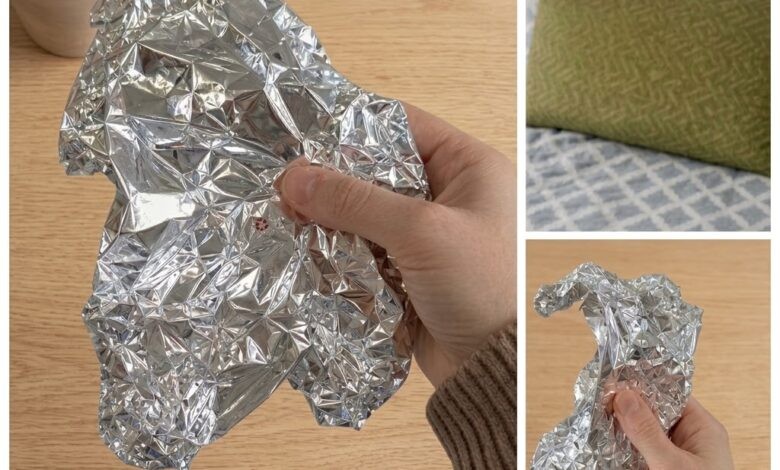
Does Placing Aluminum Foil Under Your Pillow Improve Sleep? Separating Fact from Viral Fiction
Introduction: The Viral Aluminum Foil Sleep Hack
The internet is a fertile ground for unusual household tips and viral hacks that promise simple solutions to everyday challenges. Among the latest trends is the claim that placing a folded piece of aluminum foil under your pillow can enhance sleep, protect against electromagnetic exposure, calm your nervous system, and even create an invisible barrier around you at night. With its simplicity and accessibility, this ritual has sparked intrigue and widespread experimentation. But does this trick hold up under scientific scrutiny, or is its popularity driven by psychological and social factors?
Popular Claims and Their Appeal
Proponents of the aluminum foil sleep trick cite a range of purported benefits. These include improved sleep quality, feeling more refreshed upon waking, reduced electromagnetic interference from electronic devices, and the creation of a calming effect for the nervous system. Viral posts and online anecdotes transform this ordinary kitchen material into a supposed sleep aid for millions experiencing nighttime difficulties.
One reason for its appeal is the simplicity: no expensive devices, no complex programs, no need for expert intervention. Instead, the ritual just requires a pillow and a bit of foil. This accessibility, combined with the widespread challenge of poor sleep in the modern world, is why so many people are curious enough to try it.
Examining the Scientific Evidence
Despite its widespread popularity, there is currently no substantial scientific evidence supporting the idea that placing aluminum foil under your pillow produces direct, measurable benefits for sleep, “detoxifies” the body, or shields you effectively from wireless signals.
Aluminum foil has real applications in electromagnetic shielding, especially in engineered environments: conductive materials like aluminum are used to protect sensitive equipment from interference. However, the effectiveness of shielding depends on numerous factors, including the thickness of the material, continuity of coverage, design, and the relevant electromagnetic frequencies. A loosely placed sheet of kitchen foil under a pillow is not comparable to a professionally designed shield.
There is no scientific consensus that this method provides any meaningful protection or physiological benefit for sleepers.
Understanding Sleep Challenges in Modern Life
The allure of simple bedtime rituals may reflect the broader struggle to find rest in an environment characterized by constant stimulation and digital connectivity. Phones, laptops, smartwatches, and TVs keep us engaged and distracted late into the night. Work emails and notifications arrive at all hours, discouraging true downtime.
Sleep difficulties can originate from numerous sources: stress, anxiety, inconsistent schedules, environmental disturbances (such as noise or light), caffeine, medications, physical discomfort, excessive screen use, and underlying medical conditions like insomnia or sleep apnea. These factors often overlap, complicating efforts to resolve sleep issues with easy fixes.
It is understandable why a seemingly magic solution, promising results from such a mundane object, catches the imagination—and why routine sleep hygiene practices may pale in comparison.
The Role of Ritual and Psychological Expectation
If someone tries the foil trick and sincerely feels more rested, that experience is real—but may not be due to the aluminum itself. Sleep researchers emphasize that human beings are strongly influenced by expectations, habits, and environmental cues.
Initiating a new ritual—like placing foil under the pillow—can signal the brain that it is time to transition to rest. The act itself, combined with turning off screens, dimming lights, and consciously preparing for sleep, may help form a psychological boundary between the stress of daytime and the calm of nighttime. Such routines are known to improve sleep quality, regardless of the materials used.
This is the essence of the placebo effect: expectation shapes perception. A consistent bedtime routine can help individuals relax, but this does not imply that the aluminum has special sleep-enhancing properties. Instead, the ritual and accompanying behavioral changes drive the improvement.
Electromagnetic Shielding: Facts vs. Misconceptions
Science does support the use of aluminum in specific shielding applications, such as protecting electronic circuits or creating Faraday cages. However, the application requires precision and purpose-built design. Shielding effectiveness depends on the frequency of electromagnetic waves, material properties, complete enclosures, and proximity to the source.
Kitchen foil placed under a pillow does not function as a true barrier to everyday sources like mobile phones or Wi-Fi routers. Moreover, common wireless frequencies (such as those used by home devices) can pass through many household materials and are regulated to be safe for human exposure. The strongest recommendation from sleep experts regarding electromagnetic interference is to keep phones and electronics away from the bed—not to rely on foil tricks.
Why Viral Hacks Spread Online
Many viral health tricks contain a kernel of truth, surrounded by speculation or exaggeration. Scientific-sounding language amplifies credibility, even when claims are unproven. The internet rewards curiosity, surprise, and easy-to-follow instructions: “Put foil under your pillow and see what happens” is more tempting than “Develop healthy sleep habits.”
It is important to distinguish enjoyment of harmless rituals from belief in unsupported claims. Experimentation can be comforting, especially in an age where people feel overwhelmed and disconnected. However, medical advice should always be based on real evidence.
Expert Advice on Improving Sleep
According to organizations such as the Mayo Clinic, Centers for Disease Control and Prevention (CDC), and World Health Organization (WHO), sustainable sleep improvement comes from practical behavioral changes. These include:
- Maintaining a consistent sleep and wake schedule
- Making the bedroom dark, quiet, and comfortable
- Reducing or eliminating screen use before bed
- Limiting caffeine and alcohol consumption, particularly in the evening
- Creating a relaxing routine that signals bedtime—such as reading, meditation, or gentle stretching
- Consulting a healthcare provider if persistent sleep difficulties or disruptive symptoms occur (such as loud snoring, choking, or severe daytime sleepiness)
These strategies have strong scientific backing and are frequently recommended by sleep medicine experts.
Sleep Rituals: Comfort Versus Evidence
Humans have always constructed rituals around sleep to foster a sense of security and to signal the end of daytime responsibilities. Actions like closing doors, drawing curtains, turning off lights, and preparing the bedroom are rooted in tradition and psychology. Adding a new element—like aluminum foil—may feel protective and create a symbolic boundary, but this effect is psychological rather than physiological.
Rituals can be valuable as long as their limitations are clear. If placing foil under your pillow serves as a reminder to disconnect, dim the lights, or put away your phone, the resulting improvement in sleep may be about changing habits, not the foil itself. Mistaking comfort or symbolism for scientific proof can lead to confusion about what actually helps health.
International and Societal Reactions
The foil sleep hack is not unique to any one country; it has spread through social media platforms globally, tapping into universal concerns about sleep deprivation and electronic overstimulation. In countries with high rates of technology use and work-related stress, interest in easy fixes for sleep is especially strong.
Health authorities and sleep medicine specialists repeatedly emphasize evidence-based approaches. International guidelines prioritize behavioral changes, environmental adjustments, and—when necessary—medical evaluation. Media outlets including BBC, Reuters, and The Guardian have all addressed the phenomenon, urging readers to critically evaluate viral claims and prioritize proven methods.
Conclusion: Comfort, Ritual, and Science
The ritual of placing aluminum foil under your pillow may offer comfort, symbolic protection, and a prompt to rethink nighttime habits. However, it lacks scientific evidence for direct sleep-enhancing effects. The real value may come from the behavioral changes it inspires: putting away devices, dimming lights, and prioritizing rest. In a world overloaded with stimulation, the desire to disconnect is powerful and valid—but solutions should focus on genuine sleep hygiene, not unproven tricks.
If you find the ritual soothing, enjoy it for what it is. But before crediting foil for a good night’s rest, consider other factors you changed—especially those rooted in evidence. The foil itself is harmless for most, but lasting change requires thoughtful routines and, when necessary, professional advice.
Sources
- Reuters
- BBC
- CDC – Sleep and Sleep Disorders
- Mayo Clinic – Healthy Sleep Habits
- WHO – Electromagnetic Fields and Public Health
- The Guardian
Disclaimer: This content is intended for entertainment purposes only and is not based on real events.