
Transforming Empty Cans into Decorative Lanterns
Upcycling has become an increasingly popular way to minimize waste and personalize living spaces with eco-friendly décor. Transforming empty cans into decorative lanterns is a creative and rewarding project that blends sustainability with style. By repurposing everyday items such as tin cans and wooden clothespins, anyone can craft unique lanterns that bring warmth, character, and environmental mindfulness to any setting.
This comprehensive guide walks you through the process of making clothespin tin can lanterns, expanding on design ideas, the importance of sustainable DIY, and expert advice for safe, beautiful results. Whether you are an experienced crafter or a beginner searching for a rewarding project, these upcycled lanterns provide a charming way to illuminate both interior and exterior spaces.
Why Choose DIY Lanterns from Upcycled Materials?
Choosing to create lanterns from reused cans not only diverts waste from landfills but also fosters creativity and resourcefulness. According to environmental experts, repurposing materials helps reduce the carbon footprint associated with manufacturing new products. Tin cans, commonly found in household waste, are ideal for upcycling due to their sturdy structure and versatility.
Homemade lanterns offer a personal touch to home décor. Their design can easily be adapted to suit rustic, contemporary, or minimalist themes, and they provide a cost-effective alternative to store-bought decorative lighting. Upcycling is also a great way to teach children about sustainability, transforming a simple craft into an educational family activity.
Clothespin Tin Can Lantern: Design and Inspiration
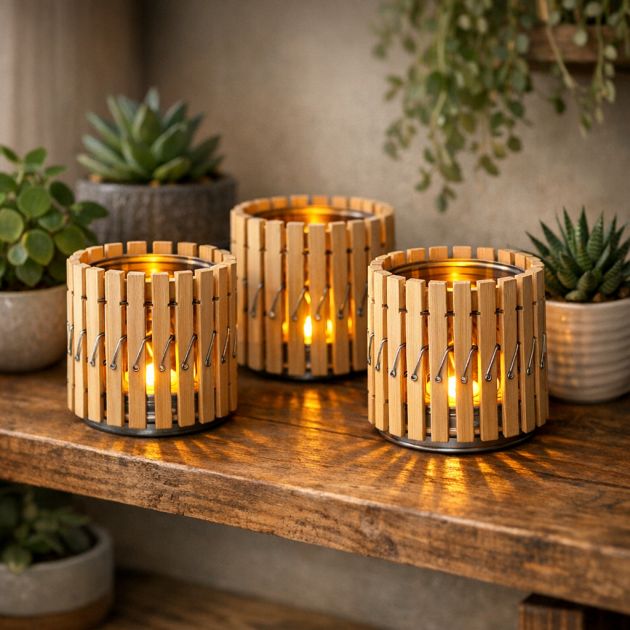
The combination of wooden clothespins and tin cans produces a lantern that naturally casts intricate shadows and emits a warm, ambient glow. This DIY project adapts beautifully to many décor settings, making it suitable for living rooms, patios, garden parties, or cozy indoor nooks. Grouping these lanterns, especially in sets of three or five, creates visual interest and can be balanced with greenery such as succulents or potted herbs for an inviting, cohesive look.
For a more artistic touch, crafters can paint the wooden clothespins or use different finishes to complement their décor schemes. The neutral tones of natural wood pair elegantly with candles or LED tea lights, casting a welcoming aura ideal for settings that prioritize comfort and style.
Project Overview
The following sections provide a detailed step-by-step guide to making your own clothespin tin can lanterns, along with safety tips and expert advice for best results.
Materials Needed
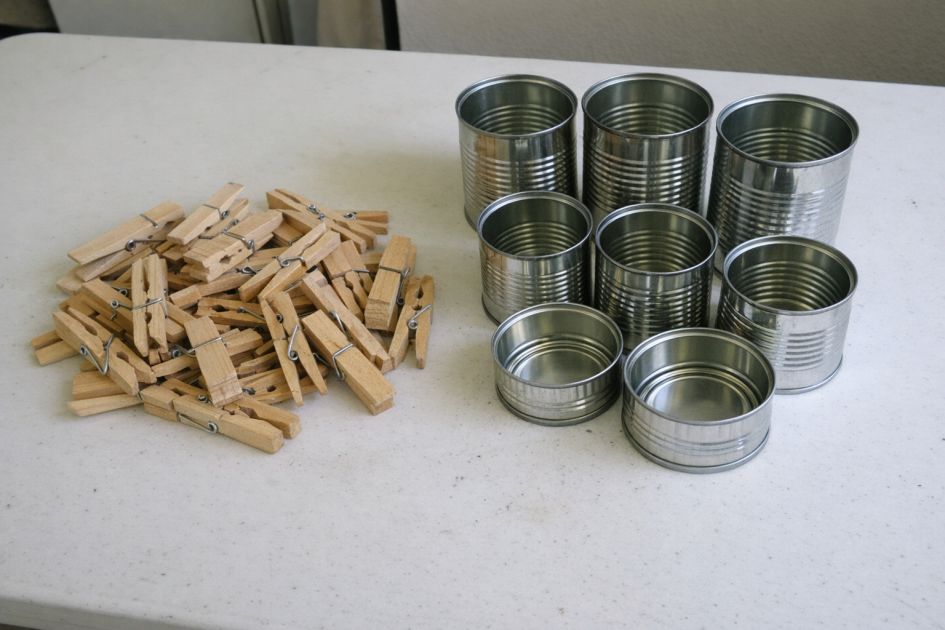
- 3 empty tin cans (cleaned, with labels removed)
- 60 wooden clothespins
- Strong craft glue
- 3 LED tea lights
- Sandpaper (optional, for smoothing edges)
Step-by-Step Directions
- Start by thoroughly cleaning and drying the empty tin cans. Remove all labels and any glue residue to ensure a smooth surface for decorating.
- If needed, use sandpaper to smooth any sharp or rough edges around the can rims. This step is crucial for safety, ensuring that the completed lanterns can be handled without risk of cuts.
- Take the wooden clothespins and carefully attach them around the circumference of each can. For the best durability, apply a small amount of strong craft glue to the inside edge of each clothespin and press it firmly against the can.
- Continue gluing clothespins side by side until the can is fully covered. Pay attention to spacing for a consistent, balanced look.
- Allow the glue to dry completely. This may take several hours depending on the glue used. Ensure all clothespins are secure before moving to the next step.
- Once the glue is dry, place an LED tea light inside each can. LED lights are strongly recommended for safety, as they do not generate heat or pose a fire risk.
- Display your finished lanterns on a tabletop, shelf, or fireplace mantel. Their warm glow will enhance the ambiance of any space.
Design Tips for Enhanced Visual Appeal
Location and arrangement have a significant impact on the aesthetic of your lanterns. Place them on rustic wooden shelving, stone mantels, or outdoor picnic tables to highlight their handcrafted appeal. For maximum visual engagement, group lanterns in odd numbers and pair them with potted plants. The soft illumination from warm-colored LED tea lights will amplify the richness of the wood and foster a cozy, welcoming atmosphere.
Consider incorporating other natural elements, such as woven baskets or burlap table runners, into your display. The textural variety creates depth and interest, drawing attention to your handmade creations.
Safety Considerations
Always opt for LED tea lights inside your lanterns instead of traditional candles. LED lights illuminate beautifully without generating heat, preventing potential fire hazards associated with open flames and flammable materials. According to guidance from the National Fire Protection Association (NFPA), using electric lights in DIY lanterns is a best practice for both indoor and outdoor use.
Additionally, ensure all can edges are free of sharp points by using fine-grit sandpaper when prepping your materials.
Creative Variations & Customization Ideas
- Paint or Stain Clothespins: Coordinate colors with your décor by painting the clothespins in complementary shades before adhering them. Water-based paints or wood stains are ideal for achieving various effects, from rustic to modern.
- Lining the Can Interior: Consider adding colored paper or fabric lining to the inside of each can. When illuminated, this approach reveals a pop of color through the clothespin gaps, enhancing the lantern’s light and style.
- Adding Handles: Attach simple handles using jute twine or sturdy wire. Handles allow the lanterns to be carried easily or hung from hooks, tree branches, or pergolas for decorative outdoor lighting during parties or relaxing evenings.
- Themed Embellishments: For holiday décor or special occasions, add seasonal embellishments like tiny ornaments, ribbons, or floral touches. This temporary customization makes the lanterns adaptable for year-round display.
Environmental and Social Impact
Engaging in upcycling projects such as clothespin tin can lanterns offers benefits that go beyond simply creating attractive home décor. By reusing materials, individuals contribute to waste reduction and energy conservation. According to the Environmental Protection Agency (EPA), recycling and repurposing practices are key strategies in combatting excessive landfill waste and resource depletion.
On a wider scale, creative reuse trends support circular economies, encouraging communities to see potential in everyday objects that might otherwise be discarded. Crafting together can also strengthen social connections, whether at home, in classrooms, or during community workshops. DIY projects like these lanterns provide accessible entry points for people of all ages and skill levels to engage with sustainability meaningfully.
Expert Views on Sustainable Home Decor
Interior designers and sustainability advocates agree that upcycled crafts can serve as functional art, merging environmental responsibility with personal expression. “The trend toward handmade, sustainable décor is growing as consumers seek ways to make eco-conscious choices that reflect their individuality,” notes a 2023 report by BBC Lifestyle.
Experts recommend starting with small projects such as lanterns before moving on to larger-scale upcycled furnishings. This allows crafters to gain confidence, experiment with various designs, and establish a unique decorating style over time.
International and Societal Responses to Upcycling
The popularity of upcycled décor has surged globally, with numerous initiatives and online communities dedicated to sharing creative ideas and supporting environmentally friendly living. Social media platforms and craft forums are rich sources of inspiration, offering tutorials, user-submitted projects, and eco-friendly tips.
Nonprofit organizations and educational programs often incorporate upcycling workshops to teach practical skills, promote recycling habits, and demonstrate the value of resourcefulness. Whether in Europe, Asia, or the Americas, upcycling is recognized as a positive movement toward reducing consumer waste and nurturing sustainable lifestyles.
Conclusion
Transforming empty cans into decorative lanterns by using wooden clothespins is a practical, attractive, and environmentally conscious way to enhance your living space. This DIY project is accessible, affordable, and adaptable, making it suitable for a wide audience, from beginners to experienced crafters. With a few simple materials and a touch of creativity, you can create beautiful lighting accents that brighten your home and foster a more sustainable approach to décor.
As upcycling becomes more prominent worldwide, projects like these not only beautify our environments but also contribute to greater environmental stewardship and creative self-expression. Start your own lantern project today and enjoy the satisfaction of turning everyday waste into lasting warmth and charm.
Sources
- BBC Lifestyle
- Environmental Protection Agency (EPA)
- Reuters
- Centers for Disease Control and Prevention (CDC)
- National Fire Protection Association (NFPA)
- The Guardian
Disclaimer: This content is intended for entertainment purposes only and is not based on real events.