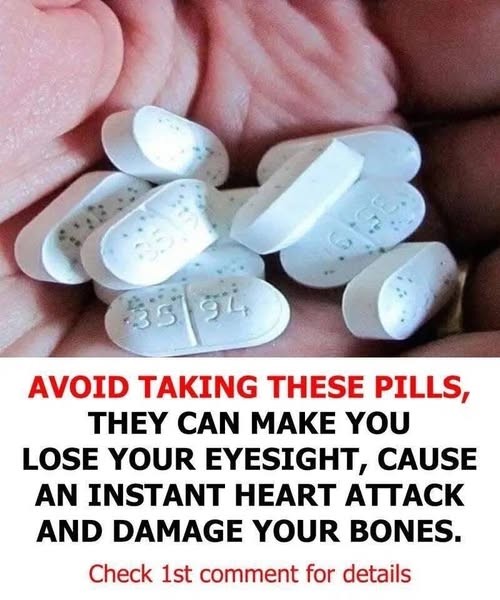
Recent Global Health Alerts Spur Medication Withdrawals Amid Cardiovascular Risks
In the wake of recent global health alerts, a number of medications have been withdrawn from pharmacies worldwide due to concerns about their potential to cause serious cardiovascular side effects. Health authorities and regulatory bodies—including the United States Food and Drug Administration (FDA) and the European Medicines Agency (EMA)—have issued urgent warnings to both medical professionals and the public regarding heightened risks associated with some commonly used pharmaceuticals.
Medications at the center of these warnings include hormonal contraceptives, certain anti-inflammatory drugs, diet pills, and, in rare instances, select COVID-19 treatments. These drugs have, according to updated safety reviews, been linked to an increased risk of dangerous cardiovascular events such as blood clots, strokes, pulmonary embolism, and heart attacks.
Regulatory agencies are actively encouraging patients and healthcare providers to stay informed about updated safety guidance and to consult medical experts before beginning or continuing any course of treatment. The importance of regular review of medication safety updates has been underscored, especially as scientific understanding of risks continues to evolve based on new research and post-market surveillance data.
Healthcare professionals play a vital role in identifying potential risks and providing tailored guidance to each patient. Updated recommendations stress the need for personalized assessments—considering individual health histories, risk factors, and alternative therapies—before prescribing medications that may affect cardiovascular health.
Understanding Cardiovascular Risks Associated with Medications
The primary danger from some of these medications is their association with abnormal blood clot formation, medically termed thrombus or thrombosis. While blood clotting is an essential process to prevent excessive bleeding following injury, abnormal clot development inside veins or arteries can significantly disrupt blood flow and lead to life-threatening complications. The FDA and EMA have highlighted that certain pharmaceuticals—including hormonal contraceptives and anti-inflammatory drugs—can alter the balance of clotting factors in the blood, thereby heightening risk in susceptible individuals.
Blood clots are particularly concerning because they can travel through the bloodstream and lodge in vital organs, blocking essential blood supply. The consequences of such blockages include pulmonary embolism, deep vein thrombosis, ischemic strokes, and heart attacks, all of which require prompt medical intervention.
For example, pulmonary embolism occurs when a clot travels to the lungs, cutting off blood flow and oxygen supply. This sudden blockage can result in rapid onset of shortness of breath, chest pain, and, in severe instances, death. Deep vein thrombosis involves the formation of clots in the deep veins, typically in the legs, and carries the risk of subsequent complications if the clot dislodges.
Hormonal Contraceptives: Balancing Benefits and Risks
Hormonal contraceptives have been widely used for decades due to their effectiveness in preventing unintended pregnancies and treating hormonal disorders. However, some hormonal birth control methods—including oral contraceptive pills, patches, and injectable forms—have been subject to scrutiny due to their association with elevated risks of blood clot formation. According to the BBC, investigations have shown that users of estrogen-containing contraceptives have a higher risk of venous thromboembolism compared to non-users.
Scientific studies continue to analyze the balance between benefits and risks. While the absolute risk of clot formation remains low for most users, certain groups—such as smokers, older women, and those with underlying blood clotting disorders—can face higher danger. Regulatory reviews now recommend thorough risk assessments and consideration of non-hormonal alternatives, especially for patients with additional cardiovascular risk factors.
Anti-Inflammatory Medications and Cardiovascular Complications
Nonsteroidal anti-inflammatory drugs (NSAIDs) are frequently used to manage pain and inflammation. However, many NSAIDs, including popular medicines like ibuprofen and diclofenac, have been linked to rising cardiovascular risks. The Reuters news service and health authorities warn that regular or high-dose use of certain NSAIDs could increase the likelihood of heart attacks and strokes, particularly in patients with existing cardiovascular disease or those using the medication for extended periods.
Updated guidelines from the FDA recommend that doctors weigh the necessity of NSAIDs against potential cardiovascular outcomes, especially when prescribing these medications to older adults or those with predisposing conditions. Patients are advised to use the lowest effective dose for the shortest possible duration and to report any new onset of chest pain, shortness of breath, or neurological symptoms immediately.
Diet Pills: Risks of Cardiovascular Side Effects
The global market for diet pills has expanded rapidly, but concerns about cardiovascular safety have led to regulatory scrutiny and withdrawal of certain products. According to the The Guardian, stimulant-containing weight loss medications can disrupt heart rhythm, increase blood pressure, and carry a risk of heart attack or stroke, especially when taken without medical supervision.
Authorities warn that unregulated diet pills—sometimes purchased online—may not have undergone rigorous testing and could contain substances that exacerbate cardiovascular dangers. Updated advisories caution consumers to avoid products lacking scientific verification and to seek advice from healthcare professionals before beginning any weight loss regimen involving pharmaceuticals.
COVID-19 Treatments: Rare Cardiovascular Risks
In response to the COVID-19 pandemic, several treatments were developed and authorized for emergency use. While most COVID-19 medications are considered safe based on rigorous clinical studies, there have been isolated reports linking certain therapies to abnormal clot formation and heart complications. The EMA and WHO emphasize that these cases are rare, but continue to monitor post-market data for emerging trends.
Expert reviews published by the World Health Organization underline the importance of ongoing research and safety monitoring. Physicians are urged to stay abreast of the latest guidance and to report any adverse cardiovascular events associated with COVID-19 therapies to international pharmacovigilance databases.
Expert Perspectives and Public Guidance
Medical experts stress that most medications, when used appropriately, offer substantial benefits that often outweigh risks for the majority of patients. Detailed risk assessments and transparent communication between healthcare providers and patients are key. If a medication has been withdrawn or its safety profile has changed, patients should not discontinue treatment on their own, but rather consult with their doctor to discuss safer alternatives or to develop a new treatment plan.
The global response to these health alerts has been swift. Regulatory bodies have expedited safety reviews, published updated clinical guidelines, and imposed stricter labeling requirements for medications associated with cardiovascular risks. International collaboration between agencies, such as the FDA, EMA, WHO, and local health ministries, has enabled rapid sharing of information and formulation of unified risk management policies.
Patient advocacy organizations have also launched information campaigns to help individuals recognize symptoms of cardiovascular events—such as sudden chest pain, shortness of breath, limb swelling, and neurological changes—and to encourage prompt medical attention if any such signs develop.
Societal and International Reactions
Public trust in medication safety remains high, but these alerts demonstrate the importance of continuous oversight and transparency. Governments in several countries have increased funding for drug safety research and have improved their reporting systems for adverse reactions. Pharmacists are receiving updated training to counsel customers about medication risks.
Globally, the pharmaceutical industry is engaged in ongoing efforts to reformulate products and improve safety profiles, based on feedback from regulators and emerging evidence. Collaboration among international health organizations helps ensure that the risks associated with medications are swiftly communicated and addressed, minimizing harm and protecting public health.
What Patients Should Know
For patients currently taking medications included in recent health alerts, the most important step is to consult with their healthcare provider. Abrupt discontinuation can be dangerous. Instead, medical professionals can assess personal risk and recommend safe alternatives. Patients are encouraged to stay informed by monitoring official health advisories and by reporting any suspected side effects promptly.
Regular health check-ups, including blood pressure measurement, cardiovascular evaluation, and routine blood tests, can help detect early warning signs of complications. Furthermore, keeping an updated list of all medications and sharing it with each healthcare provider aids in comprehensive risk management.
For further reference and expert guidance, please see the following sources.

Sources
- Reuters
- BBC
- Al Jazeera English
- The Guardian
- World Health Organization (WHO)
- Centers for Disease Control and Prevention (CDC)
- Mayo Clinic
- European Medicines Agency (EMA)
- U.S. Food & Drug Administration (FDA)
Disclaimer: This content is intended for entertainment purposes only and is not based on real events.