The Truth About Canned Food Shelf Life: Safety, Facts, and Misconceptions
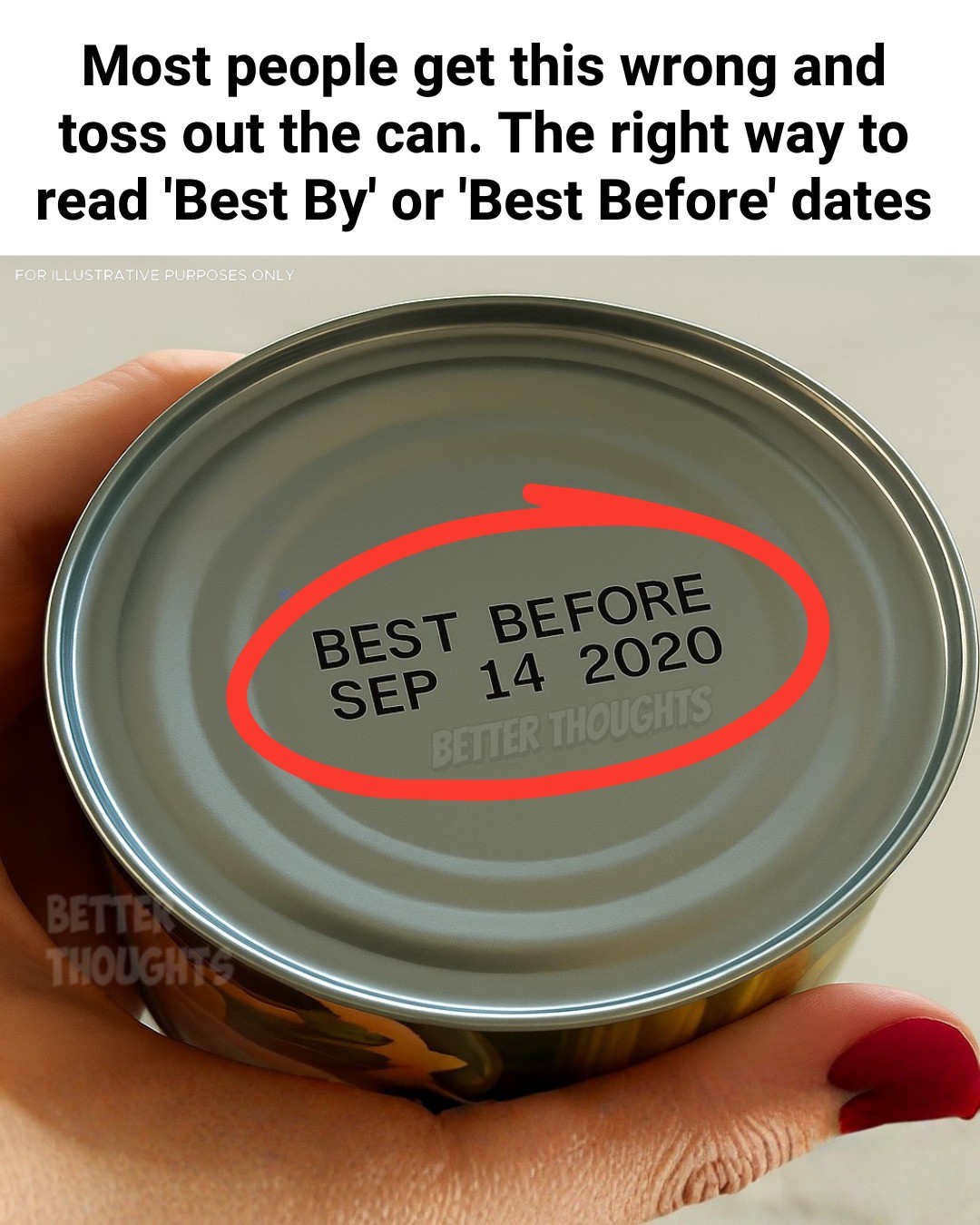
Open almost any kitchen pantry and you’ll likely find it: a dusty can of beans, soup, or vegetables tucked behind newer groceries, quietly waiting its turn. Most people, when finally confronted with a can whose stamped date has passed, react instantly—by throwing it away. But is that can actually dangerous? Or is it simply a victim of misunderstood expiration dates? The truth about canned food shelf life is far less alarming—and far more fascinating—than most consumers realize.
Understanding how canned food is designed, what expiration dates really mean, and how safety is ensured provides valuable insight into the science of preservation. This comprehensive guide explores these questions, incorporates expert viewpoints, and outlines best practices, so you can make informed choices about the contents of your pantry.

The Science Behind Canned Food
Canned food owes its longevity to a precise and scientific process known as canning. Food is placed into a container and heated to a high temperature, typically between 212°F (100°C) and 250°F (121°C), depending on the contents. This heat treatment destroys bacteria, molds, yeasts, and other microorganisms that cause spoilage and foodborne illness. Once sterilized, the food is sealed in an airtight can, protected from light, air, and contaminants. According to the Centers for Disease Control and Prevention (CDC), the airtight seal is critical; it prevents oxygen and new microorganisms from entering, thus maintaining food safety for extended periods.
As long as the can remains undamaged—free from swelling, leaking, or rust—the food inside remains protected. This is why canned goods are favored in disaster relief supplies, military rations, and long-term storage situations worldwide. Their robust packaging is designed to withstand transportation, climate changes, and years of shelf life.
Expiration Dates: Decoding Common Terms
Cans are commonly stamped with dates such as “Best By” or “Best Before.” These are not hard-and-fast expiration dates but indicators of peak quality as determined by the manufacturer. After this date, flavor, texture, and color may slowly diminish, yet the food itself is still typically safe to eat.
- Best By/Best Before: These dates indicate when a product is expected to taste its best. Afterward, sensory qualities may decline, but safety is rarely compromised if the can is intact.
- Sell By: Intended for retailers, “Sell By” helps manage inventory. It tells store staff when to rotate stock, not consumers when to discard food.
- Use By: This term relates more closely to safety but is most commonly reserved for highly perishable items—such as dairy, fresh meat, or prepared foods—not canned goods. With cans, “Use By” usually refers to optimal quality rather than definitive safety.
According to the U.S. Food and Drug Administration (FDA), foods do not deteriorate overnight once labeled dates pass. Rather, those dates signal when quality starts to decline. Canned food manufacturers cannot guarantee peak taste or appearance beyond this point, but that does not mean the food becomes unsafe.
Food Safety: What Experts Say
Food scientists and safety regulators are clear: as long as a can is properly sealed and undamaged, its contents remain safe far beyond the printed dates. Dr. Andrew Clarke, a professor of food science at Texas A&M University, explains that the canning process creates an environment hostile to bacteria and spoilage organisms. “Canned food is essentially preserved in a sterile state. The biggest threat is not time, but a breach in the can’s integrity,” says Clarke.
The most significant risks occur only if a can is damaged. Signs of compromise include bulging, leakage, severe dents at the seams, or visible rust. Bulging is particularly serious, as it can indicate the presence of botulinum—a rare but dangerous bacteria. If you find a can in such a state, always discard it and avoid tasting its contents.
The World Health Organization (WHO) and CDC recommend examining cans before consumption and adhering to safe storage conditions, which include keeping cans in a cool, dry place (below 85°F/29°C), away from direct sunlight.
How Long Can Canned Food Last?
The actual shelf life of canned foods often vastly exceeds consumer expectations. Studies conducted by the CDC and numerous food safety laboratories have shown that cans stored under optimal conditions can remain safe and edible for years, sometimes even decades.
According to the USDA’s Food Safety and Inspection Service:
- Canned beans, vegetables, and soups generally retain quality for 2-5 years past the printed date.
- Canned meats and fish may last 3-5 years or longer.
- High-acid foods like tomatoes and citrus fruits (in cans) retain quality for 1-1.5 years, though they may be safe for longer.
Notably, one study cited by the National Geographic demonstrated that canned food found in shipwrecks a century old was technically edible (though not appetizing). This illustrates the remarkable durability of properly canned goods.
Quality vs. Safety: What Will Change After the Date?
While canned food generally remains safe for long periods, its quality slowly diminishes. Over time, vitamin content may decrease, flavors become duller, and texture may soften. For example, peas may be less crisp, or soup less aromatic. These changes are gradual rather than sudden.
Color changes may occur as well, especially in fruit or tomato-based products, due to natural chemical reactions. However, such changes are not indicative of spoilage unless accompanied by off smells, mold, or bulging cans.
Canned Food Safety Around the World
The reliability of canned food is recognized globally. In disaster response, humanitarian aid, and military operations, canned goods provide sustenance where refrigeration is unavailable. The Red Cross, World Food Programme, and governments worldwide depend on canned food for its safety, durability, and nutrient preservation.
Regulatory agencies like the European Food Safety Authority, Health Canada, and Australia’s Department of Health set strict guidelines for manufacturing practice, inspection, and labeling. These are consistent with the standards set by U.S. authorities, ensuring high levels of safety internationally.
Common Myths About Canned Foods
- Myth 1: Expired canned food is always unsafe. As explained, dates primarily reflect quality, not safety.
- Myth 2: Cans contain harmful chemicals. Modern cans use food-grade materials approved by regulators. Bisphenol-A (BPA) use is declining, with many brands switching to safer alternatives.
- Myth 3: All canned food loses nutrients quickly. Research shows canned food preserves nutrient levels remarkably well, especially compared to fresh foods exposed to air and light.
How to Store Canned Food Safely
To maximize safety and quality, adhere to these simple guidelines:
- Store cans in a cool (ideally 50–70°F), dry place.
- Avoid stacking cans to excessive heights to prevent dents.
- Rotate older cans to the front for usage, following the “First In, First Out” method.
- Inspect for bulging, leaks, or corrosion—it’s the can’s condition, not just the printed date, that matters most.
If a can does exhibit signs of compromise—bulging, severe dents, or leaks—do not taste or eat the contents. Instead, wrap it in plastic and dispose of it safely, as recommended by the CDC and USDA.
Canned Food and Sustainability
Canned food is not only convenient but environmentally significant. Its packaging is recyclable, and its long shelf life helps reduce food waste. According to the The Guardian and BBC, millions of tons of food are wasted globally each year due to misinterpretation of date labels. By understanding how shelf life works, consumers can help mitigate waste and contribute to a more sustainable world.
Expert Recommendations
Food safety agencies and nutritional experts recommend focusing on the condition of the can rather than just the date. When in doubt:
- Check for visible signs of damage before consuming.
- Be aware of unusual odors or colors upon opening a can.
- Remember that date labels are a guide to quality, not safety.
- Consult official food safety guidelines for detailed information.
Conclusion: Rethinking Expiration Dates
Canned food shelf life is rooted in science, safety regulations, and practical experience. The myth that cans are instantly unsafe once the date passes is simply unfounded. As long as the can is undamaged and properly stored, its contents remain safe well beyond the printed date. Armed with knowledge, consumers can avoid unnecessary waste, enjoy foods at their best, and trust in the enduring safety provided by centuries of canning tradition.
Sources
- Centers for Disease Control and Prevention (CDC)
- U.S. Food and Drug Administration (FDA)
- World Health Organization (WHO)
- BBC
- The Guardian
- National Geographic
- FoodSafety.gov
Disclaimer: This content is intended for entertainment purposes only and is not based on real events.