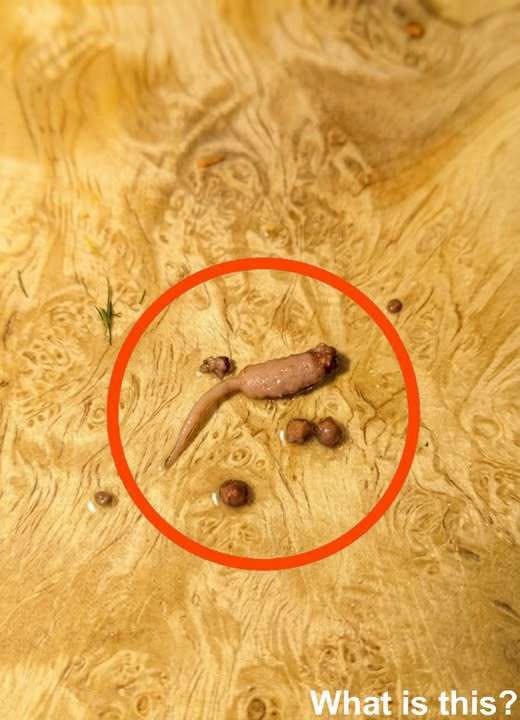
When A Strange Object Appears in Your Meat: Understanding What You See in Store-Bought Ingredients
Introduction: Encountering the Unexpected in Everyday Cooking
Cooking at home is typically an experience marked by familiarity and routine. Many people rely on supermarket ingredients, trusting in their safety and quality. However, there are moments that challenge this trust—such as finding an unusual object in store-bought meat. This article delves into what it means to discover something unexpected in your food, explores the scientific and industry contexts, and provides guidance on food safety and consumer response.
A Personal Account: The Shock of Discovery
Imagine the scene: the scent of sizzling meat fills the kitchen, and suddenly you spot an unfamiliar, pale, worm-like shape nestled among the pieces. Immediate panic follows, with thoughts of contamination, invisible pathogens, and the threat they might pose to loved ones. Such encounters can shatter the confidence consumers place in modern food supply chains, replacing it with worry and suspicion. The instinct is often to assume the worst—parasitic infection, poor handling, or even unsafe food being sold to the public.
The Anatomy of Meat: What Are You Really Seeing?
Meat is a complex tissue composed of much more than muscle. Skeletal muscle, the primary component, comes interspersed with connective tissues such as tendons, sinews, and even small fragments of cartilage. When meat is ground, these components may be distributed unevenly throughout the product. Upon cooking, connective tissue—which has a different structure and color than muscle—can contract, coil, or change shape, sometimes resembling foreign objects.
Unusual shapes or textures in cooked or raw meat are not inherently a sign of danger. Instead, they often reflect the biological complexity of animal tissue. Connective tissue, for example, consists mostly of collagen, which can appear translucent, tough, or rubbery. When heated, collagen shrinks and tends to curl up, creating the appearance of worms or other odd shapes. Such occurrences are natural and harmless, even if they are visually unappealing or unexpected.
Understanding Connective Tissue vs. Spoilage and Contamination
It is important to differentiate between harmless anatomical features of meat and actual food safety hazards. Connective tissue, bone fragments, and fat deposits are normal and pose no threat to health if the meat is otherwise fresh and properly cooked. In contrast, spoilage is marked by a sour or off smell, discoloration, or slimy texture, all of which indicate bacterial growth and fermentation. Signs of contamination—whether biological (such as parasites or harmful bacteria) or physical (such as foreign objects)—require more careful attention.
Mistaking a harmless tendon or sinew for a parasite is common, but experts emphasize that the risk of parasitic infection from properly sourced and cooked supermarket meat is extremely low in developed countries. Modern meat inspection standards and food safety regulations, enforced by agencies like the U.S. Department of Agriculture (USDA) and Food Standards Agency (FSA) in the UK, have dramatically reduced the presence of dangerous parasites such as Trichinella or tapeworm larvae in commercial meat products.
The Science of Cooking: How Meat Changes Under Heat
Cooking meat is a process that transforms its texture and appearance. As the proteins in muscle fibers denature and coagulate, they turn firm and opaque. Collagen and other connective tissues, however, behave differently: with heat, they shrink and thicken, sometimes pulling on surrounding muscle, causing curling or odd shapes to form. In ground meat, sinew or tendons can emerge as rubbery strands, while in cuts like chicken breast or pork chop, tough bands may become more prominent. These features are a testament to the natural structure of animal flesh and its varied components.
Expert View: What Food Scientists and Safety Authorities Say
Food safety experts stress that visible abnormalities in meat rarely indicate a health risk, particularly if the product is within its expiration date and has been stored appropriately. According to the Centers for Disease Control and Prevention (CDC), most foodborne illnesses associated with meat stem not from anatomical surprises, but from accidental contamination with bacteria such as Salmonella, Campylobacter, or E. coli. These bacteria are killed by thorough cooking, reinforcing the importance of proper food handling and preparation.
In rare cases, true contaminants—such as plastic fragments, pieces of metal, or evidence of parasitic infection—may be present. If in doubt, consumers should contact the retailer or relevant food safety authority for guidance. However, multiple scientific reviews and food inspection statistics show that the vast majority of odd findings are, in fact, benign tissue or fat, which pose no threat when cooked.
The Role of Food Regulations and Inspections
Governmental agencies around the world maintain rigorous standards for the sourcing, processing, and sale of meat products. Facilities undergo frequent inspections, and processes are designed to detect and eliminate harmful contaminants. In the United States, the Meat and Poultry Inspection Program conducted by the USDA ensures that all meat sold to consumers meets strict safety criteria. The European Union, Canada, Australia, and many other countries enforce similarly strict guidelines, making modern supermarket products among the safest in history.
Despite these protections, the biological variability of meat means that not every package will look the same. Occasional findings of blood vessels, tendons, or even small bone chips are a reminder that meat is not a factory-produced substance, but comes from living organisms with natural variation.
How to Respond When You Discover Something Unusual
When consumers come across unexpected objects in their meat, a clear, rational approach can help prevent unnecessary waste and worry:
- Stop Cooking and Examine Carefully: Pause cooking and look closely at the suspicious object. Determine if it moves, has segments or discernible features, or appears to be part of the animal’s anatomy.
- Check for Signs of Spoilage: Smell the meat for any sour or unusual odors. Inspect for discoloration, excessive fluid, or slimy texture. These are better indicators of poor quality than anatomical oddities.
- Consult Credible Resources: Use guides from reputable agencies or consult butchers and food safety specialists. Online resources from organizations such as the USDA, FSA, and CDC provide comprehensive advice.
- Contact the Seller if Unsure: If you remain uncertain, contact the store or manufacturer. Many retailers offer refunds or replacements, and they may forward photos to food safety teams for further analysis.
Societal Reaction: Trust and Transparency in the Food Supply
News stories about recalled food or contamination can alarm the public, undermining confidence in commercial products. However, such occurrences are rare relative to the vast quantity of food processed daily. Transparency from food companies and open channels of communication with regulatory bodies help to build trust. When shoppers know what to expect—both in terms of biological variation and rigorous safety checks—they are more likely to respond calmly and rationally.
Educational campaigns around food composition, preparation, and safety empower consumers to distinguish between genuine hazards and natural features. Studies by groups such as the World Health Organization (WHO) and the Mayo Clinic reinforce the reality that much of what seems unusual about animal products is rooted in biology, not contamination.
The Value of Food Literacy: Reducing Waste and Anxiety
Gaining a better understanding of what is—and is not—safe in food helps consumers avoid unnecessary waste. Throwing away large quantities of edible meat out of misplaced fear is costly, both financially and environmentally. Educators and nutritionists encourage cooking skills and anatomical knowledge to help demystify ingredients. By doing so, families can feel more secure about the food they eat and contribute to more sustainable food systems.
Food literacy also includes knowing how to store, handle, and prepare meat to minimize any risks. Maintaining refrigerator temperatures below 40°F (4°C), cooking poultry to an internal temperature of 165°F (74°C), and being aware of signs of spoilage are all practices endorsed by leading public health authorities.
Conclusion: From Uncertainty to Understanding
Unexpected sights in meat can be alarming, but deeper knowledge and awareness often reveal there is nothing to fear. Connective tissue, sinew, and other anatomical features are natural components that occasionally appear more prominent during cooking, especially in ground or less-processed cuts. Most importantly, advances in food safety regulation mean that genuine threats are rare, and a cautious, informed approach is the best response to uncertainty. By focusing on facts and expert guidance, consumers can turn moments of anxiety into learning experiences—fostering confidence instead of panic in the kitchen.
Sources
- Centers for Disease Control and Prevention (CDC): Meat and Poultry
- United States Department of Agriculture (USDA) Food Safety and Inspection Service
- Food Standards Agency (FSA)
- World Health Organization (WHO): Food Safety
- Mayo Clinic: Food Safety
- BBC: Why does meat sometimes look strange?
- Reuters: Understanding Meat Safety in the Global Food Supply
- The Guardian: Food Facts in the Age of Consumer Anxiety
Disclaimer: This content is intended for entertainment purposes only and is not based on real events.