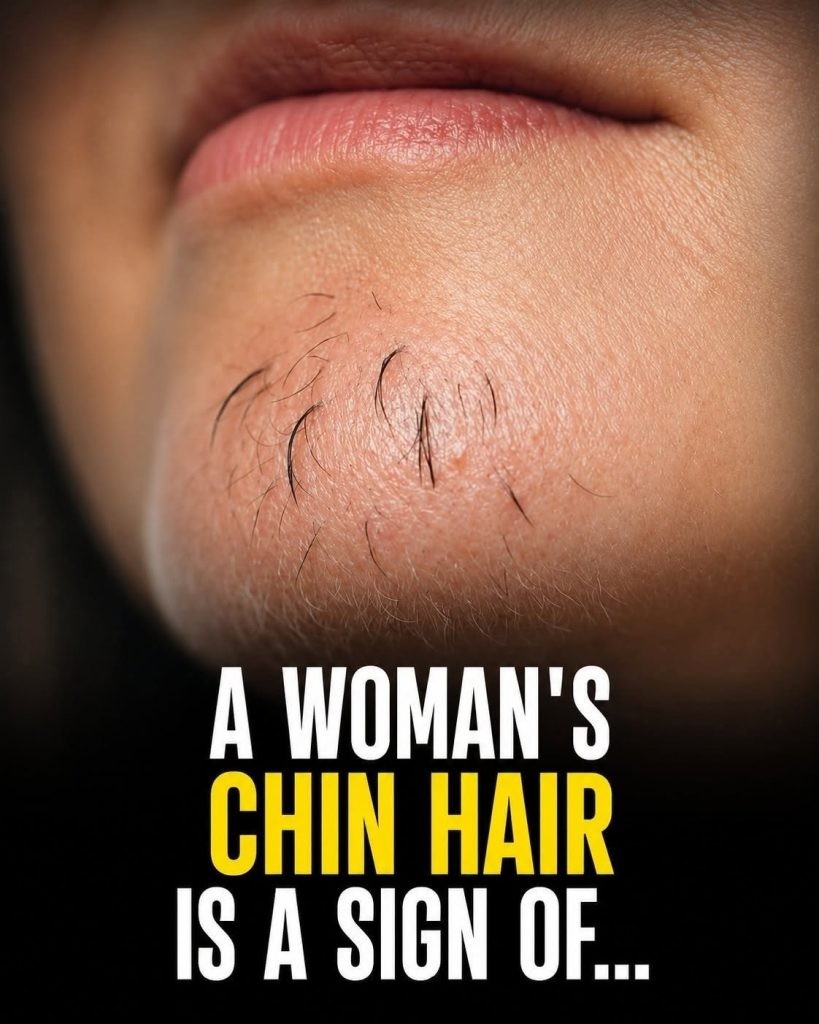
Understanding Chin Hair in Women: Causes, Health Implications, and Treatment Options
Chin hair in women is a familiar concern and often leads to questions about its underlying causes and whether it signifies a health issue. While the presence of a few dark hairs on the chin is generally harmless and common across all backgrounds, an increase or sudden change in facial hair growth can sometimes point toward hormonal changes, genetics, medication effects, or specific medical conditions. This article provides an in-depth exploration of why chin hair develops in women, how to distinguish normal changes from those needing medical attention, and current treatment strategies as recommended by healthcare experts.
Hormonal Factors Behind Chin Hair Growth
One of the primary influences on facial hair growth in women is hormonal activity. Women naturally produce androgens, a group of hormones that includes testosterone, but typically in lower concentrations compared to men. For some women, chin hair appears due to a heightened sensitivity of hair follicles to these androgens. This sensitivity results in the transformation of fine, light hairs (vellus hairs) into coarser, darker hairs (terminal hairs), especially in areas such as the chin, upper lip, and cheeks.
Hormone fluctuations during different life stages can also affect facial hair growth. These periods can include:
- Puberty: As young women reach puberty, shifting hormone levels may stimulate new hair growth.
- Pregnancy: Increased production of certain hormones necessary for fetal development can temporarily alter hair growth patterns, sometimes making facial hair more prominent.
- Perimenopause and Menopause: Declining estrogen levels and relatively higher androgen levels during these periods can lead to new or thicker facial hairs, particularly on the chin.
Experts emphasize that these changes are a routine part of aging for many women and are not usually a cause for concern unless accompanied by other symptoms.
The Role of Genetics in Facial Hair Development
Genetics play a significant role in determining how much hair, and of what type, a woman has on her face or body. Women from certain ethnic backgrounds may be more likely to experience noticeable facial hair. For instance, women of Mediterranean, Middle Eastern, and South Asian descent might naturally have darker or more abundant facial hair due to inherited traits that lead to increased follicle sensitivity or density.
This genetic predisposition can result in considerable variation between individuals. Having several terminal hairs in areas such as the chin or upper lip, without any other health symptoms, is considered a normal variant rather than a medical issue for many women.
Medical Conditions Associated with Excess Facial Hair
While fluctuating or genetic factors explain most cases of occasional chin hair, certain medical conditions can promote excessive hair growth—a symptom medically termed hirsutism. The most common of these conditions in reproductive-age women is polycystic ovary syndrome (PCOS).
Polycystic Ovary Syndrome (PCOS)
PCOS is a common hormonal disorder affecting approximately 1 in 10 women of reproductive age globally. Hirsutism—especially on the chin or face—and other symptoms characterize PCOS, such as:
- Irregular or missed menstrual periods
- Acne or oily skin
- Increased body weight or difficulty losing weight
- Difficulty becoming pregnant (infertility)
- Thinning of hair on the scalp
However, the presence of a few chin hairs alone is not enough to diagnose PCOS. Diagnosis requires a combination of symptoms and clinical tests, including hormonal assessments and ultrasound imaging of the ovaries.
Other Hormonal or Endocrine Disorders
Though much rarer, other conditions that can drive excess facial hair growth include:
- Congenital adrenal hyperplasia (a group of inherited disorders affecting adrenal hormone production)
- Cushing’s syndrome (caused by elevated cortisol levels)
- Androgen-secreting tumors (very uncommon, but can rapidly increase androgen levels)
- Thyroid dysfunction (can disrupt hormonal balance in the body)
A sudden increase in facial hair, especially if accompanied by symptoms like deepening voice, rapid hair loss from the scalp, unexplained weight changes, or menstrual irregularities, should prompt consultation with a healthcare provider for further evaluation.
Medications and Their Effect on Hair Growth
Certain medications can stimulate hair growth as a side effect. Drugs that may contribute to facial hair growth include some used for:
- Treating endometriosis (e.g., danazol)
- Controlling epilepsy (e.g., phenytoin)
- Managing certain psychiatric conditions (e.g., some antipsychotics)
- Improving hair loss in men (e.g., minoxidil)
- Treating autoimmune conditions (e.g., corticosteroids)
If the development or worsening of facial hair appears after starting a new medication, it is important to discuss these changes with a healthcare professional before making any adjustments to the prescribed therapy.
When to Seek Medical Advice
In most cases, occasional chin hairs in women are benign and may reflect normal variability. However, certain patterns warrant medical attention, including:
- Sudden appearance of multiple coarse, dark chin hairs
- Rapid increase in facial or body hair over weeks or months
- Changes accompanied by other symptoms: irregular periods, deepening of the voice, noticeable weight changes, new or severe acne, or evidence of male pattern baldness
Physicians can perform a thorough history, physical exam, and lab tests (including hormone levels) to determine if there is an underlying endocrine or metabolic concern that needs targeted treatment.
Management and Treatment Approaches for Chin Hair
Treatment strategies for chin hair in women vary depending on the cause and personal preferences. For women experiencing normal or expected genetic and hormonal changes, management focuses on cosmetic options. For others with suspected underlying medical causes, addressing the root condition is essential.
Cosmetic Methods
- Tweezing and Plucking: Convenient for individual hairs but not practical or sustainable for significant hair growth.
- Waxing and Threading: Remove multiple hairs at once; results can last several weeks but may cause irritation, especially on sensitive skin.
- Depilatory Creams: Chemically dissolve hair at the skin’s surface. Always follow directions to minimize risk of allergic reactions or burns.
- Laser Hair Removal: Uses concentrated light to destroy hair follicles, offering longer-term reduction. Best suited for women with lighter skin and darker hair; multiple sessions are needed.
- Electrolysis: Involves destroying hair follicles with electrical currents. Effective for all skin and hair types but requires several treatments and can be costly.
Prescription and Medical Treatments
- Topical Eflornithine Cream: Slows the growth of new facial hair. Requires daily application for visible results; may be used alongside cosmetic hair removal.
- Hormonal Therapy: Birth control pills, anti-androgen medications, or insulin-sensitizing drugs can help where hormonal imbalance is identified (e.g., PCOS). These are prescribed and monitored by a doctor and can have broader benefits for reproductive and metabolic health.
Treating the underlying condition—such as managing PCOS with lifestyle changes, medications, and weight management—can also contribute to reduced hair growth over time.
Societal Considerations and Psychological Impact
Cultural standards often influence perceptions of facial hair in women, sometimes leading to embarrassment, anxiety, or diminished self-esteem. Studies indicate that women who experience unwanted facial hair may have increased risk for depression or anxiety, regardless of whether the growth is medically significant. Support from clinicians, access to effective treatments, and social understanding can help mitigate negative emotional effects.
It is important to recognize that mild chin hair is a normal phenomenon for many women worldwide. Open discussion and greater education about the commonality of female facial hair can help reduce social stigma and empower women to seek appropriate information and care when needed.
Conclusion: Normal Variation Versus Health Signals
In summary, the development of chin hair in women is most often a normal part of genetic and hormonal variation, especially across different life stages. For the majority, chin hair does not signal a serious health issue. However, sudden or excessive growth, or associated hormonal symptoms, could indicate an underlying condition requiring medical evaluation and targeted intervention.
Women should feel comfortable discussing any concerns about facial hair with their health providers, who can offer guidance tailored to individual medical backgrounds and preferences. Modern treatment options—both cosmetic and medical—offer effective and safe solutions depending on each woman’s goals and underlying health needs.
Sources
- Mayo Clinic: Hirsutism
- CDC: Polycystic Ovary Syndrome (PCOS)
- NHS: PCOS Overview
- Endocrine Society: Hirsutism
- BBC Health: Why Women Grow Facial Hair
- Reuters: Experts Explain Causes of Female Facial Hair
Disclaimer: This content is intended for entertainment purposes only and is not based on real events.