Mulberries: A Nutritious Fruit, Not a Miracle Cure
Introduction to Mulberries
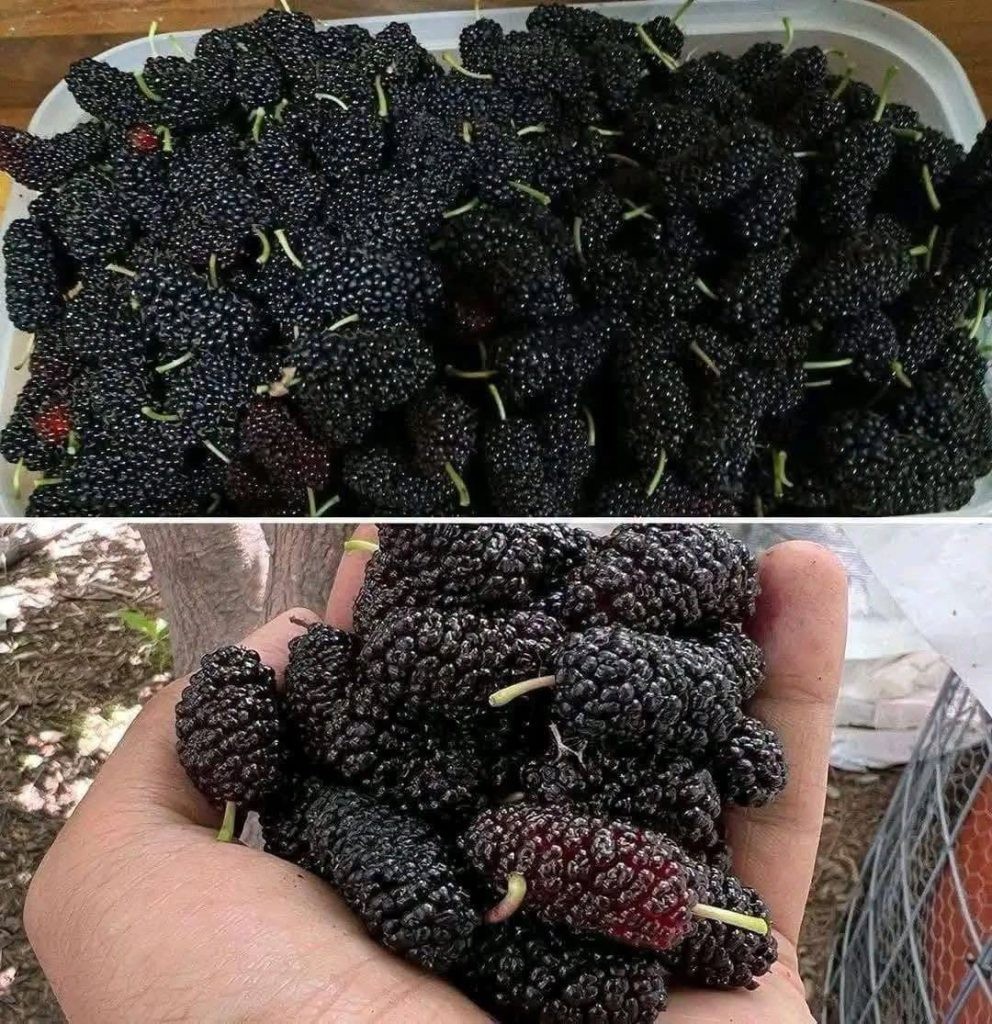
At first glance, mulberries can easily be mistaken for blackberries due to their dark, striking colors. However, closer inspection reveals their unique elongated shape, tiny rounded segments, and small green stems. These distinguishing characteristics mark them as mulberries, the fruit produced by trees in the Morus genus. Unlike blackberries, which grow on thorny brambles, mulberries emerge from trees and are known for their delicate, softer texture. The color of mulberries ranges from red to deep purple or nearly black, depending on their variety and stage of ripeness. This vibrant hue results primarily from the presence of plant pigments called anthocyanins.
Botanical Background and Morphology
The mulberry tree (Morus) is native to temperate and subtropical regions across the globe. With over ten distinct species, including the white mulberry (M. alba), red mulberry (M. rubra), and black mulberry (M. nigra), these trees are cultivated not only for their fruit but also for their leaves, especially in silkworm rearing. The fruit itself is technically an aggregate, composed of multiple small drupelets clustered together, creating the familiar cylindrical or oval appearance.
As mulberries ripen, their color deepens, with anthocyanins playing an important role in both pigmentation and plant defense mechanisms. These pigments are also responsible for the fruit’s potential antioxidant properties, which have become a focus of scientific study.
Nutritional Profile of Mulberries
Mulberries are celebrated for their robust nutritional content. One of their key benefits is a high amount of dietary fiber, which supports gastrointestinal health, aids digestion, and can help promote a feeling of fullness after eating. A single cup of fresh mulberries contains approximately 2.4 grams of dietary fiber.
Vitamin C is another substantial component. This essential nutrient plays a pivotal role in supporting the immune system, acting as an antioxidant, and contributing to skin health. Mulberries also provide potassium, a mineral vital for normal heart function, fluid balance, and muscle contraction.
In addition to fiber and vitamins, mulberries are rich in various plant compounds, including polyphenols such as anthocyanins, resveratrol, and flavonoids. These micronutrients are linked to potential health benefits, though it’s important to emphasize that eating mulberries isn’t a substitute for medical treatment or a guaranteed disease prevention strategy.
Anthocyanins and Antioxidant Activity
The deep purple-black shade of mulberries is attributed to anthocyanins, a class of polyphenols recognized for their antioxidant activity. Antioxidants help neutralize free radicals in the body, potentially reducing oxidative stress and supporting overall cellular health. Numerous laboratory studies have identified anthocyanins in mulberries as active contributors to antioxidant processes. However, clinical research has not established that consuming mulberries directly prevents chronic diseases such as cancer or heart disease.
Food scientists, nutritionists, and health organizations advise consumers to view mulberries as part of a broader strategy of healthy eating, not as a singular “superfood.” While antioxidants are an important element of nutrition, they are most effective when combined with a diverse intake of fruits, vegetables, whole grains, and lean proteins.
Mulberries in Everyday Diet
Fresh mulberries are naturally sweet and juicy, making them an appealing snack or ingredient in meals. They can be enjoyed alone or paired with yogurt, oatmeal, nuts, seeds, or other fruits. Due to their perishable nature, mulberries require careful handling and refrigeration to maintain freshness.
Dried mulberries are also available and offer portability and longer shelf life. However, the drying process concentrates natural sugars and calories, so portion control is recommended. Some commercial dried mulberries may contain added sugars or preservatives, which could diminish their health benefits. It is advisable to review ingredient labels when purchasing packaged products.
Mulberry leaves, in addition to the fruit, are traditionally used to create teas and extracts. In various Asian cultures, mulberry leaf tea is believed to aid digestion and support carbohydrate metabolism. Scientific studies have explored compounds in mulberry leaves for their possible effects on blood sugar regulation, particularly among individuals with diabetes. Nonetheless, experts caution against substituting mulberry leaf products for prescribed medication, especially for those managing metabolic disorders.
Harvesting, Storage, and Preservation
Mulberries are renowned for their delicate skin and high moisture content, which makes them susceptible to spoilage, mold, and crushing. For optimal preservation, fresh mulberries should be stored in the refrigerator and washed only before consumption. Removing bruised, damaged, or spoiled fruit is essential to extend the shelf life of the remaining berries.
If you acquire a substantial harvest, freezing mulberries is an efficient method to preserve their nutritional value. Spread berries in a single layer on a baking sheet and freeze them before transferring to a freezer bag or container. This approach prevents clumping and retains their flavor and texture for later use in smoothies, desserts, or baking.
Mulberries in Global Culture and History
Mulberries have a rich history in global agriculture, cuisine, and traditional medicine. The white mulberry tree is intrinsically linked to the ancient silk industry, particularly in China, where its leaves are the exclusive food for silkworms. In culinary traditions, mulberries are featured in jams, syrups, pastries, and juices across the Mediterranean, Middle East, and Asia.
Historical texts and folklore often reference mulberries for their supposed healing properties. While extracts and teas were used in herbal medicine, modern science indicates these uses should be viewed as supplementary and not as primary sources of health intervention.
Expert Analysis and Scientific Perspective
Nutritional researchers and health organizations underscore the distinction between actual dietary benefits and exaggerated marketing claims. Mulberries are a potent source of fiber, vitamin C, minerals, and antioxidants, making them a valuable addition to balanced diets. However, there is no credible scientific evidence supporting claims that mulberries can detoxify the body, accelerate fat loss, or single-handedly cure diseases.
According to the World Health Organization (WHO) and the CDC, a diet rich in varied fruits and vegetables is essential to maintaining health and reducing risk of chronic illness. Mulberries fit well within these recommendations, but should be appreciated as one nutritious option among many. It is important to avoid misinformation and seek guidance from registered dietitians or healthcare professionals when considering new foods for specific health purposes.
Societal and International Reactions
Globally, mulberries are gaining popularity among consumers interested in natural, nutrient-rich foods. Several culinary and wellness trends have promoted their inclusion in smoothies, nutritional bars, and superfood blends. International food safety and nutrition agencies have welcomed mulberries for their contributions to food diversity. However, they regularly caution against endorsing unsupported health claims.
In some countries, local farmers and agricultural researchers are working to improve mulberry cultivation, making them more accessible and sustainable in the face of climate change and evolving consumer preferences. These efforts aim to increase both the availability and nutritional impact of mulberries without overselling their properties.
Practical Guidelines for Incorporating Mulberries
To incorporate mulberries effectively into your diet, prioritize fresh or frozen berries, which retain their natural fiber and nutrients. Pair mulberries with other whole foods such as grains, nuts, and proteins for well-rounded meals. If unable to find fresh mulberries, opt for unsweetened dried varieties and limit consumption to moderate portions. As with all fruit, moderation and variety are key to maximizing health benefits.
Individuals with allergies to certain fruits or compromised immune function should consult their healthcare provider before consuming mulberries, particularly when trying new foods or supplements.
Conclusion: Value of Mulberries in Nutrition
The main takeaway is that mulberries are a nutritious fruit, but not a miracle solution. Their dietary fiber, vitamin C, minerals, and vibrant plant compounds offer genuine health-supporting properties. Including mulberries in a diverse and balanced diet is a practical way to enjoy their benefits, but expectations should remain grounded in credible scientific evidence. Always approach new or trendy foods with discernment and trust authoritative sources for nutritional guidance.
Sources
- BBC News
- Reuters
- Centers for Disease Control and Prevention
- World Health Organization
- Mayo Clinic
- The Guardian
- Al Jazeera
Disclaimer: This content is intended for entertainment purposes only and is not based on real events.