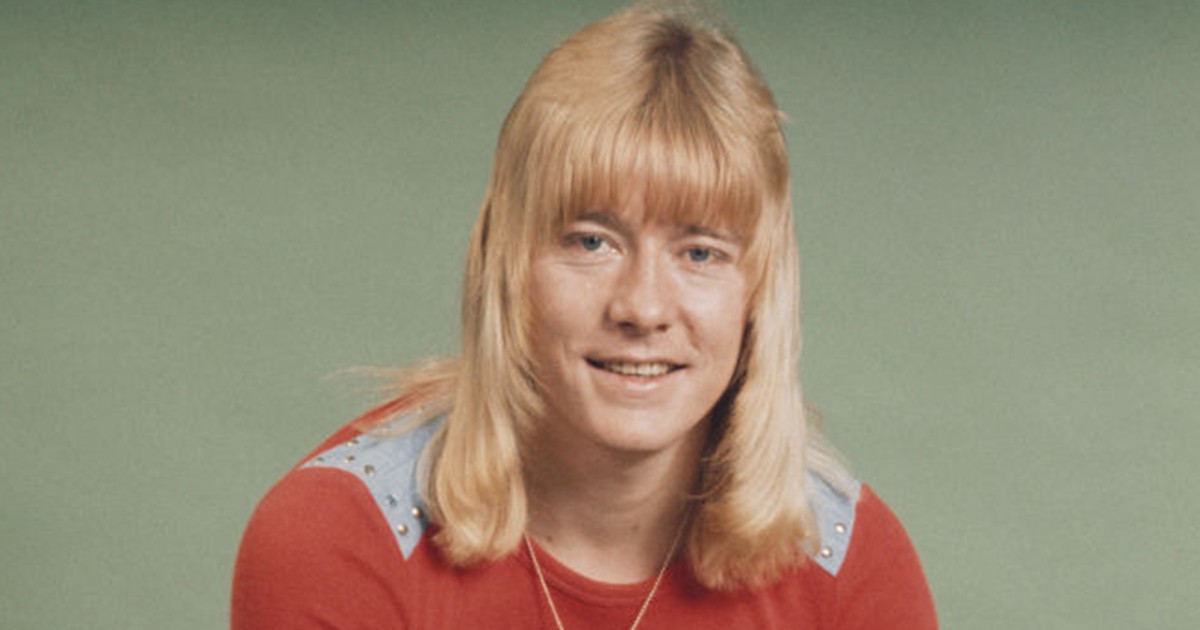
Brian Connolly was a rock star and the irresistible frontman of the hit-making band The Sweet
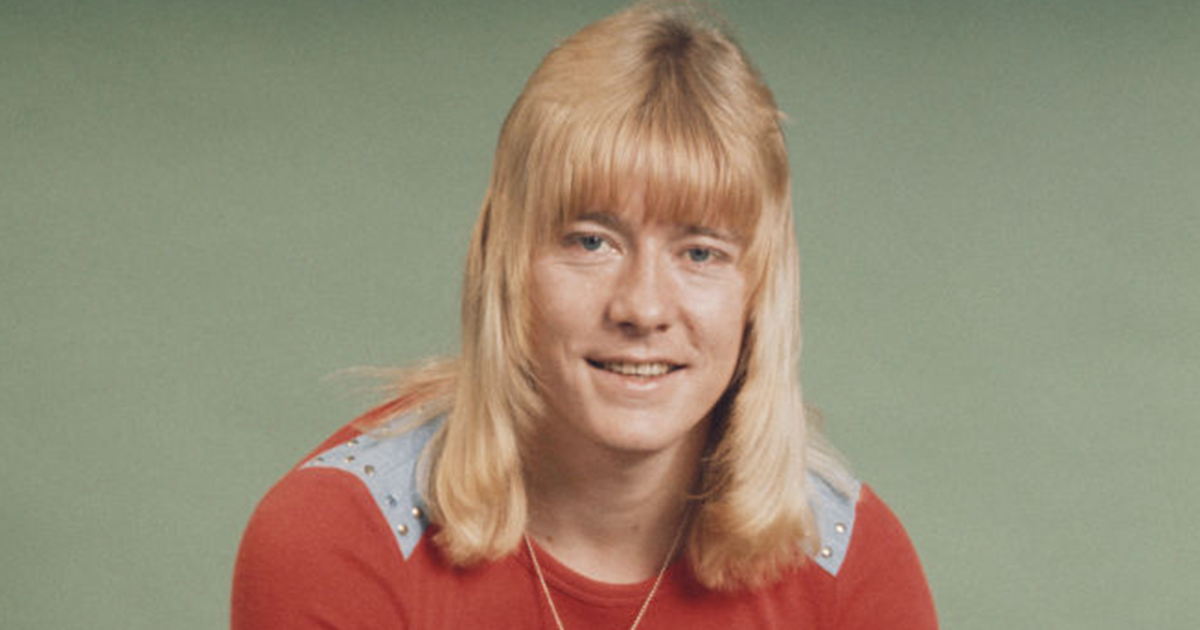
Brian Connolly’s journey from iconic stardom as the frontman of The Sweet to his tragic and lesser-known final years offers both inspiration and caution for fans and observers of rock history.
After the breakthrough success of The Ballroom Blitz in the 1970s, Connolly’s fame and fortune seemed unshakable. Yet behind the glittering image was a story far more complex—a tale of child abandonment, extraordinary artistic achievement, financial turmoil, and ultimately, a struggle with debilitating health problems.
The Charismatic Face of 1970s Glam Rock
As the energetic lead singer of the legendary glam rock outfit The Sweet, Brian Connolly stood as a symbol of an era. Throughout the 1970s, The Sweet achieved stellar success, performing internationally to enthusiastic audiences and living a lifestyle marked by luxury and recognition. Their vibrant shows, flamboyant fashion, and powerful music helped define the glam rock movement.
The Sweet’s musical legacy is built on their memorable hits and the distinctive abilities of its members. Drummer Mick Tucker was frequently listed among the elites of the decade, while Connolly’s dynamic and emotive vocals could transform any performance into an event. Together, they crafted a sound that was both catchy and inventive, blending hard rock riffs with pop sensibilities.
The mid-1970s marked a golden period for British rock bands, with Queen, Led Zeppelin, and Aerosmith captivating global audiences. The Sweet carved their niche with a unique mixture of talent and showmanship. Notably, they were among the few UK bands to garner significant commercial success on the American charts during this era.
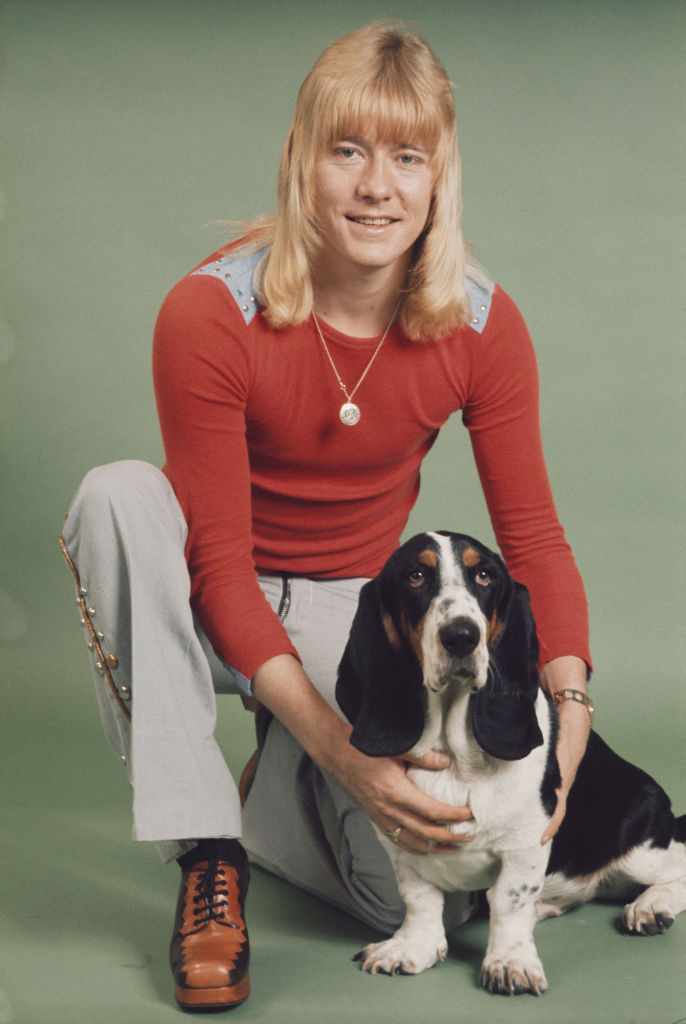
Few songs capture the spirit of glam rock like Ballroom Blitz. Its pulsating drum intro, electrifying guitar work, and exuberant energy remain influential to this day. However, The Sweet’s repertoire extended far beyond their most recognized single. Tracks like Set Me Free echoed the intensity of Judas Priest, while Sweet F.A. showcased the raw, muscular sound akin to early AC/DC. The group drew musical comparisons with Deep Purple, exhibited the attitude of The Rolling Stones, and delivered hooks that recalled The Beatles’ melodic prowess.
At the peak of their powers, The Sweet sold more than 50 million records worldwide, an exceptional feat for any act. It was Brian Connolly who stood in the spotlight, his remarkable stage presence and charisma making him the unmistakable face of the band. For fans of the era, Connolly personified not only The Sweet’s sound but also its spirit.
Despite these extraordinary achievements, Connolly and his bandmates were not immune to the pressures and excesses that shadow many successful musicians. Fame brought adulation, yet it also exposed vulnerabilities and triggered personal crises.
An Early Life Marked by Adversity
Brian Connolly, born Brian McManus in Scotland in 1945, faced significant hardships early on. Abandoned as an infant, he was raised by a nurse and her husband whose biological connection was uncertain; his father’s identity was never revealed. It was only in adulthood that Connolly discovered he was the half-brother of actor Mark McManus, renowned for his role in the seminal UK television drama “Taggart.”
Resilient in the face of adversity, Brian found solace and purpose in music by the mid-1960s. He soon became known within UK music circles for his vocal talent and stage magnetism. A few years later, he would co-found The Sweet—an act poised to ride the wave of British glam rock to international acclaim.
According to Andy Scott, the band’s guitarist, the scale of The Sweet’s achievements was momentous: “A lot of money went through the bank accounts during that period. We moved into the millionaire status,” he remarked. The band scored 39 worldwide hits and 13 Top 20 UK singles, including the No. 1 success Block Buster!
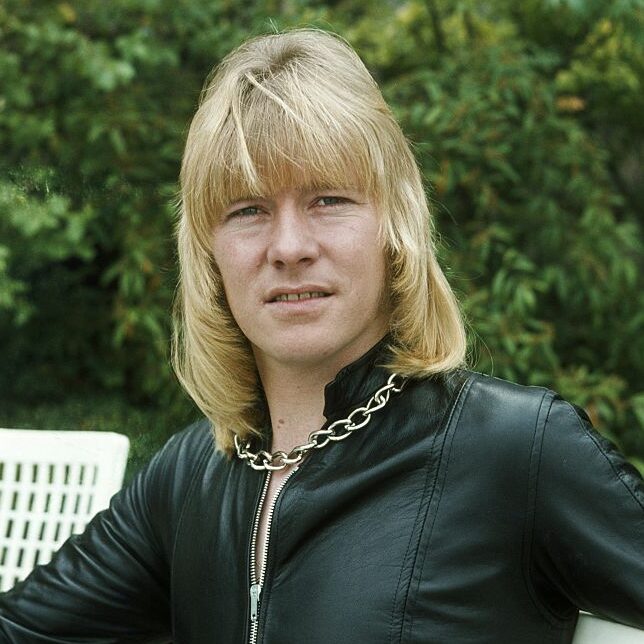
Connolly, with his signature blonde hair and glamorous image, embodied the style and spirit of the 1970s music scene. Yet even as Sweet soared to the pinnacle of pop and rock success, storm clouds began to gather. In 1979, Connolly’s departure from the group marked the beginning of a long, painful decline.
His struggle with alcohol dependence had begun to erode both his health and his professional relationships. “Gradually, it just got out of hand. I always said that if I ever wanted to stop, I could—and I suppose I don’t know what would have happened if I had told myself, ‘I’ve had enough,’” Connolly reflected with characteristic candor later in life.
Although he maintained a loyal following, Connolly’s attempts at a solo career failed to repeat his earlier triumphs with The Sweet. None of his post-Sweet releases broke through to major commercial success.
Falling on Hard Times: Financial Struggles and Fading Health
By 1983, Brian Connolly’s fortunes had shifted dramatically. He got a small opening to support Pat Benatar for three shows in the UK, but this brief success was quickly overshadowed by business troubles. A multimillion-pound tax bill arrived, linked to the group’s earlier chart successes, forcing Connolly to sell his home to meet the debt.
More troubling still were the health crises that surfaced at the start of the 1980s. He was hospitalized in 1981 with severe bloating, experienced multiple heart attacks, and was left with partial paralysis on his left side—a condition that developed into a persistent nervous system disorder. These setbacks profoundly shaped the final two decades of his life.
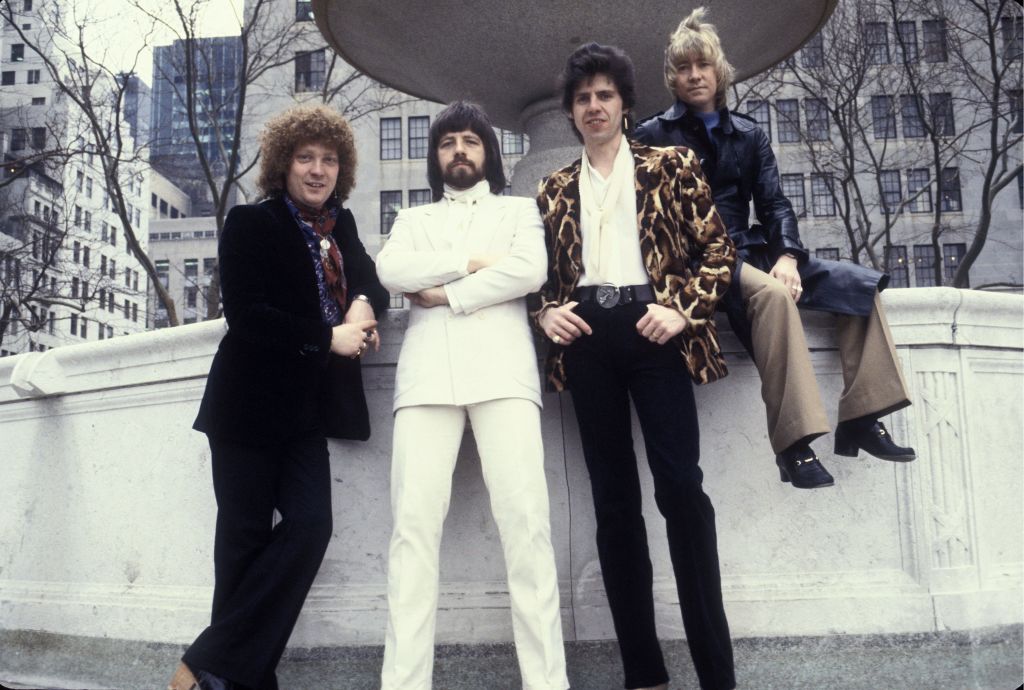
Despite the mounting challenges, Connolly worked to revive his musical career. Throughout the 1980s and 1990s, he continued to tour the UK and Europe with his reconstituted group, the New Sweet. However, his physical state made the demands of touring increasingly difficult. In 1990, during an Australian tour, he was hospitalized for dehydration, a public sign of his deteriorating health.
Additional financial strain came from legal disputes over The Sweet’s name, ultimately resulting in the creation of two separate acts: Brian Connolly’s Sweet and Andy Scott’s Sweet, both competing for bookings and recognition. Connolly’s new band played to smaller venues for modest fees—a stark contrast to the stadiums and arenas of his prime.
Final Years and Last Interview: A Reflection on Struggles and Legacy
In 1995, Brian Connolly released his solo album Let’s Go. Although it garnered attention from established fans, it did not translate into substantial commercial success. That same year brought both joy and challenge—Connolly’s partner, Jean, gave birth to their son when the singer was in his fifties. The new arrival gave Connolly fresh purpose, even as his health eclipsed any possibility of a musical renaissance.
A Channel 4 documentary, Don’t Leave Me This Way, made in 1996, depicted the profound toll that years of alcohol abuse and illness had taken. Connolly confessed to having suffered as many as six heart attacks. Estimates varied, with his ex-wife suggesting thirteen attacks in 24 hours; Connolly recounted a perhaps more accurate twelve heart attacks over six weeks. By this stage, the physical damage was visible: he walked with a limp, suffered tremors, and his once-powerful voice was weakened by years of excess and medical crises.
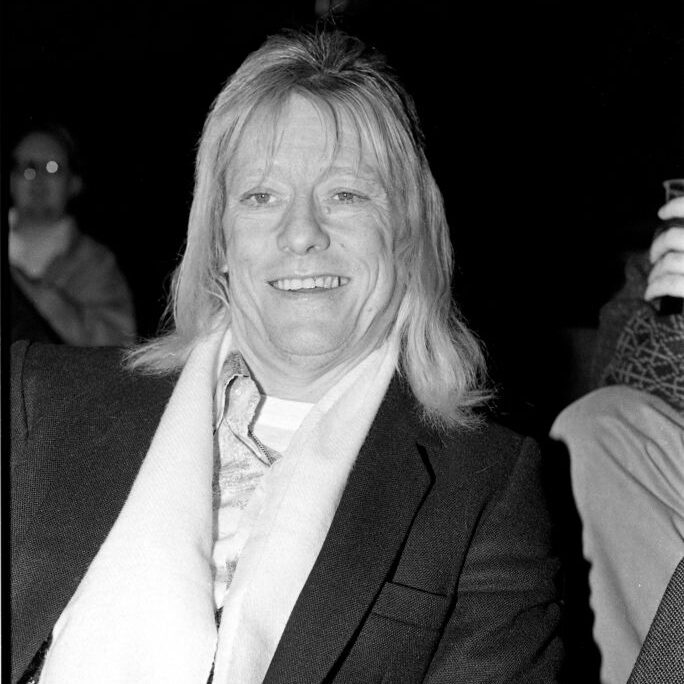
His final interview—with journalist Jasper Rees—offered a raw and honest look at the journey from legend to frailty. Connolly reminisced about carrying the heaviest burden when The Sweet first achieved stardom, and acknowledged the cost it had exacted on his body and soul. He later lived quietly on a suburban cul-de-sac, his daily life a world away from the glamour of his youth.
The last time he graced the stage was on December 5, 1996, at Bristol Hippodrome, performing alongside Slade II and John Rossall’s Glitter Band Experience. His appearance, while diminished, was a moving reminder of the millions he had once thrilled with his voice and presence.
Just over three months later, Brian Connolly passed away at Wexham Park Hospital on February 9, 1997. His cause of death was kidney and liver failure, complicated by multiple heart attacks.
In the wake of his passing, fans organized a fundraising campaign for a memorial plaque at Breakspear Crematorium—an enduring tribute to the singer who once filled stadiums with energy, talent, and heart.
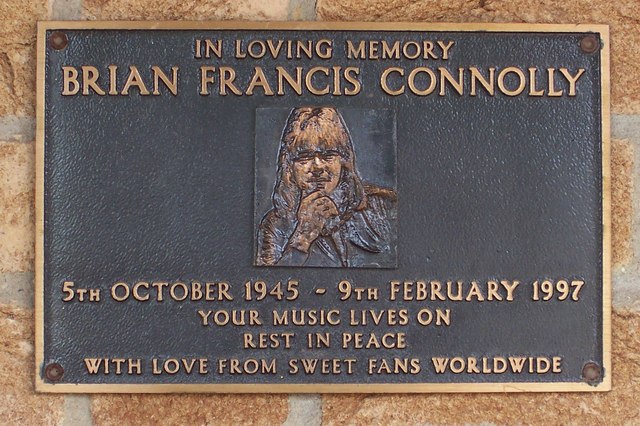
The Legacy of Brian Connolly and The Sweet
Brian Connolly’s influence as a performer cannot be overstated. As the centerpiece of The Sweet, he helped popularize glam rock and left an enduring imprint on the genre. His impressive vocal range, compelling stage persona, and the songs he helped bring to life continue to inspire fans and musicians around the world.
The story of Brian Connolly also serves as a poignant reminder of the vulnerabilities behind the public personas of rock icons. While his career brought moments of joy and extraordinary achievement, it was also marked by hardship—insecurities from early abandonment, the pressures of show business, health issues, and the fleeting nature of fame.
Connolly’s legacy survives in the music of The Sweet, in renewed appreciation of 1970s glam rock, and in new generations discovering both the triumphs and the cautions of his road through life.
Do you remember The Sweet or Brian Connolly? Have you been touched by his story? Share your memories and thoughts in the comments below.
Read More
- 70s’ heartthrob Christopher Atkins disappeared from the spotlight – see him now
- End-of-life doctor reveals what people say right before death
Sources
- BBC News – Entertainment & Arts
- The Guardian – Music
- Reuters – Brian Connolly Legacy
- Manchester Evening News
Disclaimer: This content is intended for entertainment purposes only and is not based on real events.