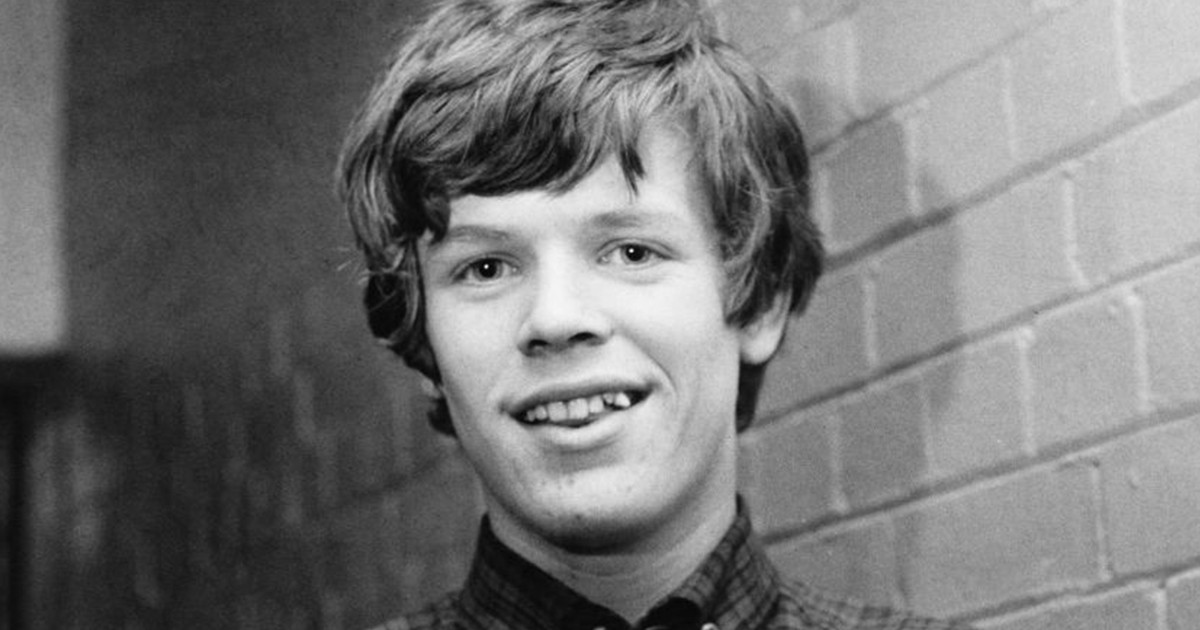
Peter Noone: The Enduring Charm and Legacy of Herman’s Hermits’ Frontman

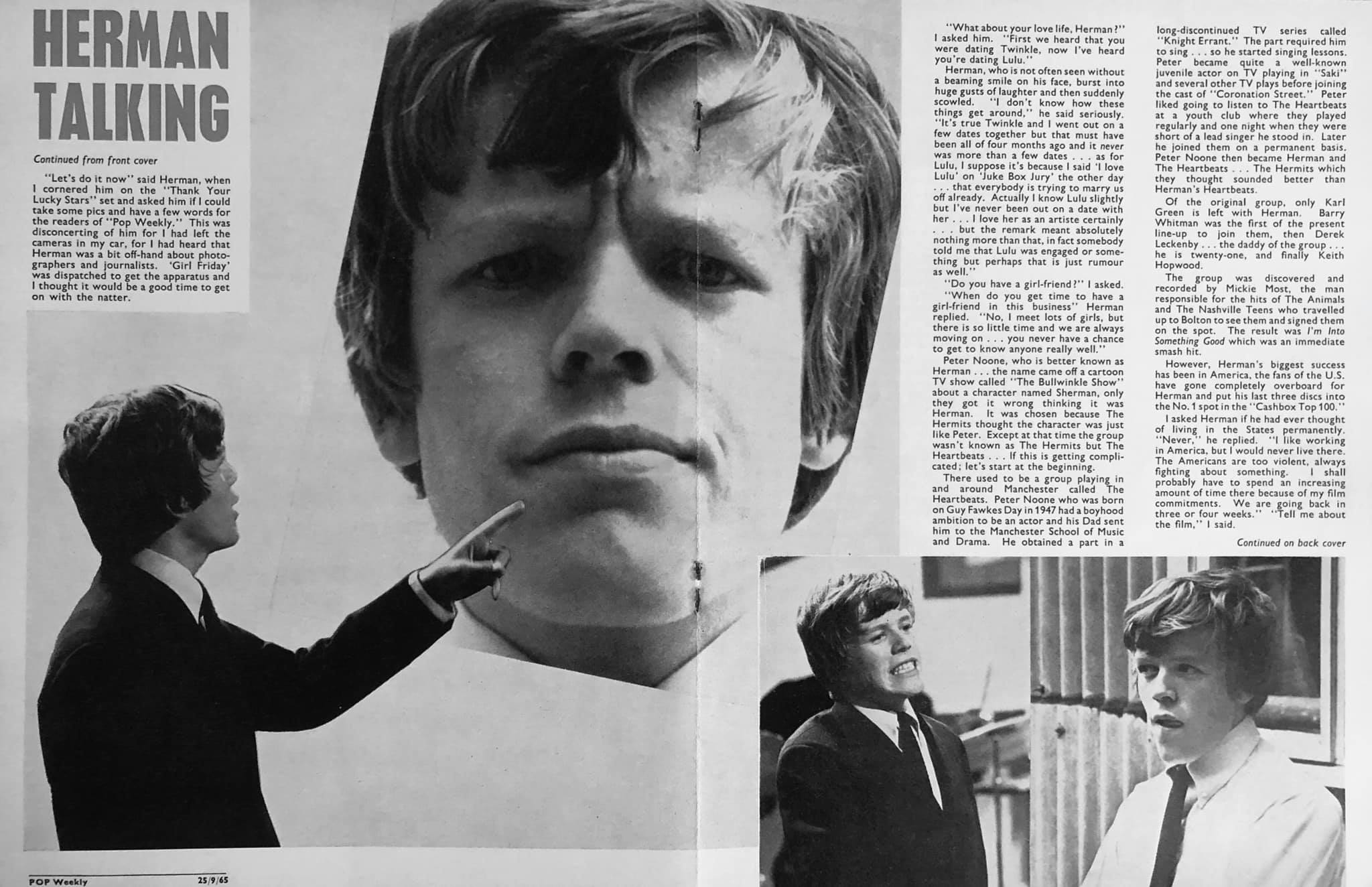
Peter Noone is a name synonymous with the 1960s British music explosion. As the charming and boyish frontman of Herman’s Hermits, Noone captured the hearts of millions, both in the United Kingdom and across the Atlantic in the United States. His thick mop of hair and youthful energy regularly draws comparisons to modern-day pop phenoms like Justin Bieber and Harry Styles—yet Peter Noone’s journey through fame is distinctively his own, marked by staying power and resilience through decades of changing musical tastes.
The Meteoric Rise of Herman’s Hermits
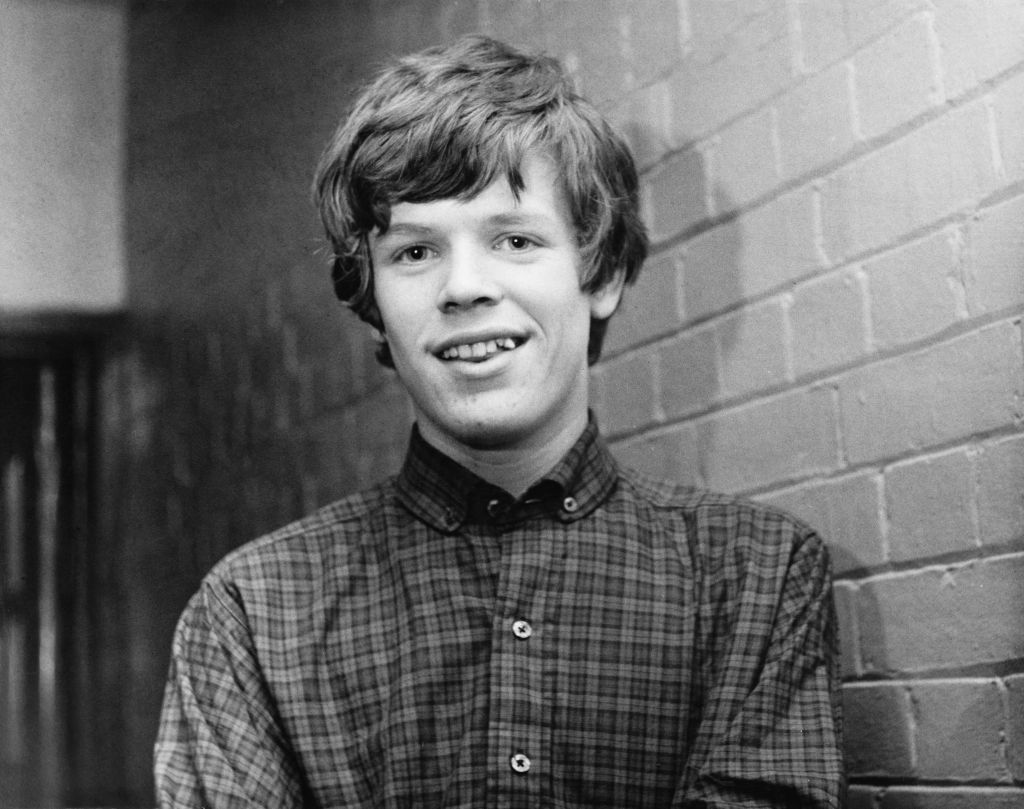
Emerging from Manchester in the early 1960s, Herman’s Hermits quickly became one of the defining bands of the “British Invasion.” As lead singer, Noone’s “adorable face and equally adorable voice,” as some fans describe, propelled the band to stardom while he was still in his teens. Their debut single, “I’m Into Something Good,” topped the UK charts in 1964, marking the start of a string of chart-topping successes.
What set the band apart, especially in the early phase of their career, was their ability to sell millions of records even before embarking on major tours or engaging in extensive media interviews. “Herman’s Hermits sold millions of records before anyone even saw us, which just doesn’t happen now,” Noone recalled in later interviews. “I didn’t know what I was doing: my stage persona was a shy little boy, which is basically what I was.”
International Success and Rivalry with Legends
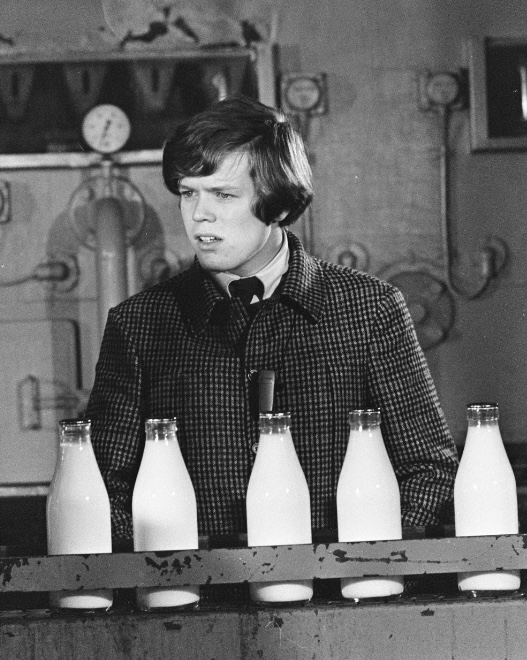
During their peak, Herman’s Hermits released over 20 hit singles and, for a time, even outsold The Beatles in the United States. Their string of classics included “I’m Into Something Good,” “No Milk Today,” and “There’s a Kind of Hush (All Over the World).” The group’s commercial appeal was so strong that by age 17, Noone and his bandmates had secured a million-dollar recording contract—a staggering achievement in the 1960s music industry.
One of the highest points in Noone’s career was when Elvis Presley—a legendary figure himself—performed “I’m Henry the Eighth, I Am” on stage in 1965. “He was making fun of me, but who cares? It was Elvis!” Noone laughed, illustrating the excitement and surreal experiences of fame in that era.
Despite the mythologized “sex, drugs, and rock ’n’ roll” lifestyle, Noone maintains he was never involved in the more destructive aspects. “Although without the drugs bit,” he clarified about his youthful days. Still, he was no stranger to the late-night glamour and adventures that defined rock stardom in the Swinging Sixties. “We were 16, 17, and we could easily stay up all night, go on the rampage then be up the next morning to do interviews and go to gigs. It was a brilliant time,” Noone remembered fondly.
Stardom, Survival, and the British Invasion
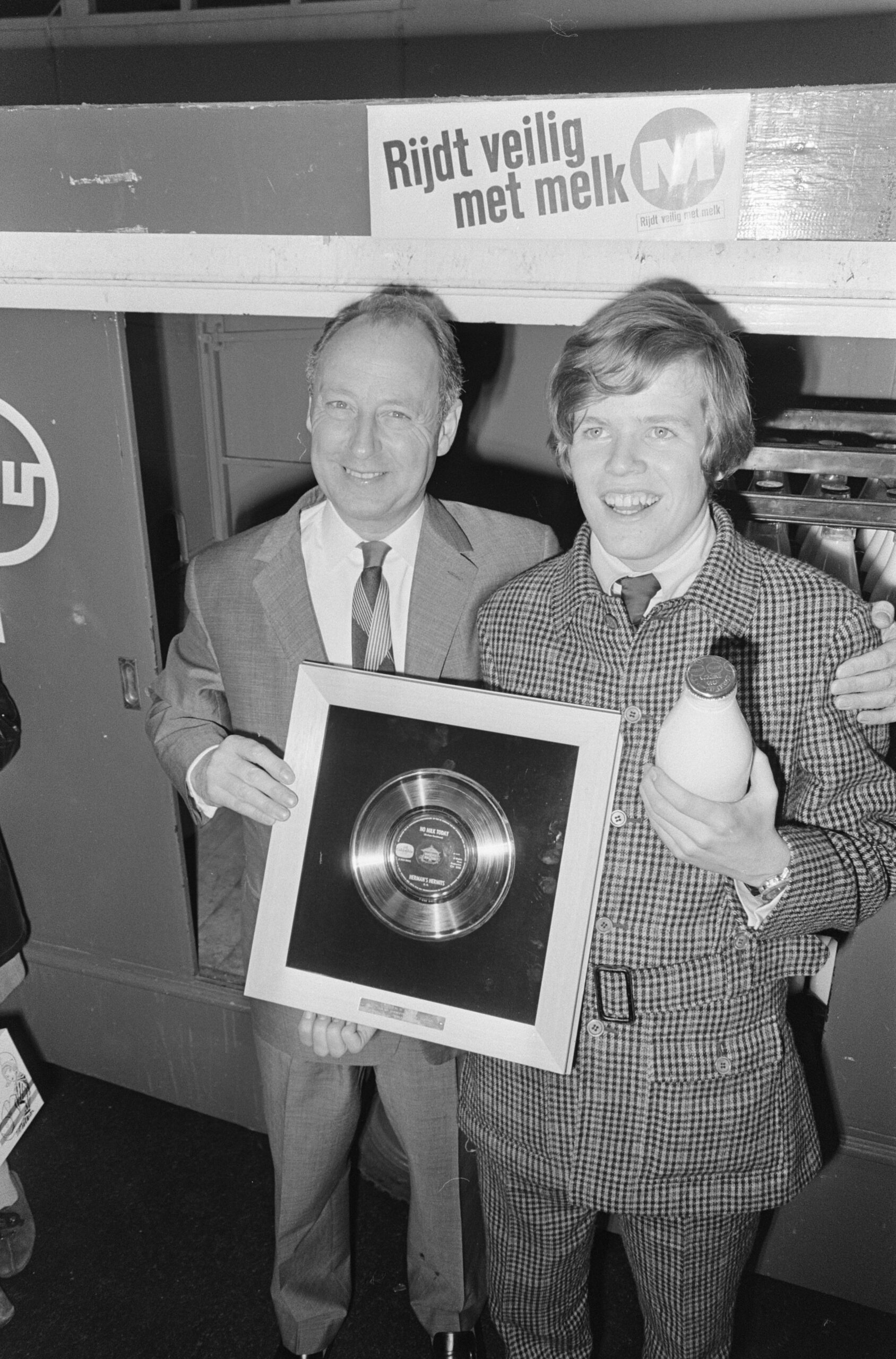
Herman’s Hermits’ accessibility and clean-cut image made them especially popular with teenagers and their parents. Their charm extended not only through record sales but also energetic tours across America and the UK. Their popularity solidified them as one of the key players of the British Invasion, alongside The Beatles, The Rolling Stones, and The Kinks.
Noone’s experiences at that time typify the heady mix of adventure and camaraderie among British bands. “I used to hang out at the Ad Lib club in London, and John Lennon would buy my drinks because he knew I was only 16 and I wouldn’t get drunk and try to beat someone up,” Noone shared. Rubbing shoulders with musical luminaries was a highlight, but he emphasizes the importance of responsibility amid the excitement: “Not many people survived the debauchery of the sixties, so I feel very lucky and try to look after myself.”
As the decades passed, the toll of that frenetic period became apparent. Noone reflected on the loss of peers, especially when attending the funeral of friend and band producer Mickie Most, which underscored the value of health and moderation to Noone. Embracing the Californian lifestyle after relocating to the United States in the 1970s, he began to prioritize wellbeing and longevity.
Personal Growth and Life Offstage
Noone’s reflections on his drinking habits are candid and self-aware. Although he never considered himself an alcoholic, joining his father at an Alcoholics Anonymous meeting at 19 became a turning point in his life. Determined to maintain his health for the sake of himself and his performances, Noone decided to cut down on alcohol and has not had a drink in over 16 years. “I wouldn’t stop other people around me doing it,” he clarified, emphasizing a balanced approach and respect for others’ choices.
His private life has been marked by stability, especially compared to the tumultuous relationships that often featured in rock history. Noone met his future wife, Mireille, when he was 20. Although initially resisted, Noone’s persistence and respectful demeanor won her and her family over. The couple married in 1968, had one daughter named Nicole, and have remained together for more than four decades—a remarkable testimony to enduring partnership in an industry known for its challenges.
Noone’s decision to leave Herman’s Hermits in 1971, at just 24, reflected the natural course of evolution within the band. “Even though all of us in the band were close in the beginning, by the end, we’d been together so long and wanted to do different things,” he explained. This marked a major transition—one which would define the next chapters of his career and personal growth.
Evolution into New Roles: Broadway and Broadcasting
Noone’s post-Hermits years reflected his adaptability and willingness to explore new directions. While his initial solo career did not reach the heights of his work with the band, he discovered new avenues in entertainment. He starred in a Broadway production of The Pirates of Penzance in the 1980s, where his charisma and stagecraft won new fans. Later, he became the host of “My Generation,” a U.S. television music show, reaching a wide audience and cementing his relevance beyond the recording studio.
More recently, Noone appeared as a mentor and voice coach on the hit reality show American Idol, where his decades-long expertise and gentle humor connected him to a new generation of aspiring musicians. On the show, he offered candid industry insights, once quipping, “If the Beatles had entered a TV competition, they’d probably have lost. Simon Cowell seems like a very nice guy, but I think he’s a secondhand Mickie Most to be honest.”
Continued Success and Enduring Popularity
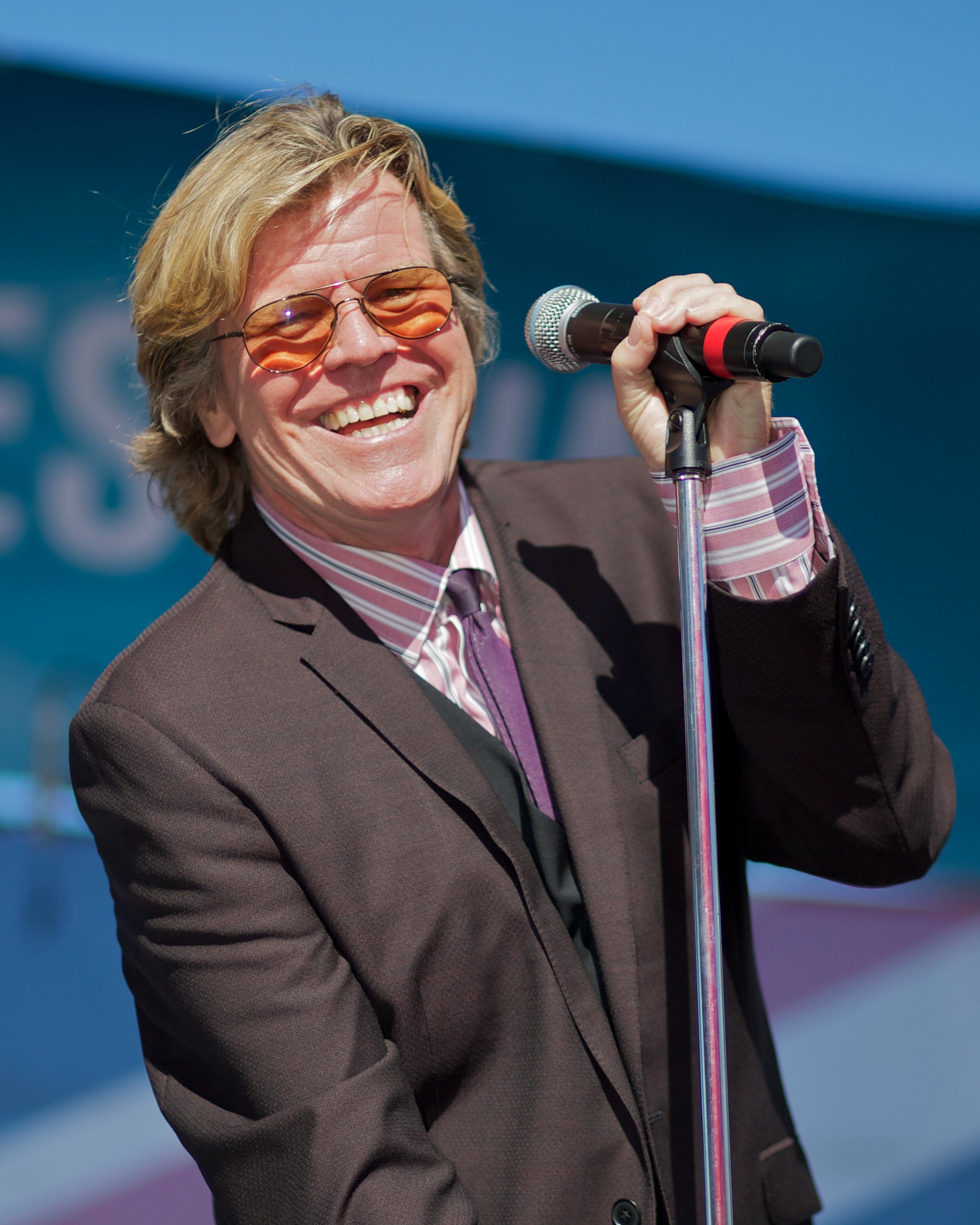
At 64, Peter Noone returned to touring with the Solid Silver 60s Show, sharing the stage with other musical icons of the era such as Brian Poole of The Tremeloes and Brian Hyland. “You never get tired of the buzz of touring, and it’s good to know we can still pull an audience,” Noone commented. Fans, some loyal since the 1960s, often come up to him and sing his songs—nostalgic rituals that underscore the enduring emotional connection between artist and audience.
Living in California has helped Noone maintain a healthy, balanced lifestyle, contributing to his continued vitality onstage. “How lucky am I to still be doing this at 64?” Noone marveled in a recent interview, suggesting a deep sense of gratitude for his musical journey and longevity.
Today, Peter Noone remains an effervescent and magnetic presence. At age 77, he continues to captivate fans with spirited performances, his unmistakable charm, and his instantly recognizable voice. The fact that he still fills venues and inspires singalongs speaks volumes about his lasting influence not only as a pop idol but as a symbol of a transformative era in musical history.
Legacy: More Than a Teen Idol
Peter Noone’s impact reaches far beyond the era of Beatlemania and British Invasion chart duels. As frontman of Herman’s Hermits, he showed that musical joy, discipline, and personal integrity could transcend generational shifts. His adaptability—successfully moving from chart-topping hits and TV appearances, to Broadway stages and mentorship roles—exemplifies a dynamic career built on talent, professionalism, and emotional connection.
Noone’s story is not only about early fame; it is a testament to surviving—and thriving—beyond youthful celebrity. His commitment to wellbeing, lasting love, and honest reflection continue to make him a relatable and respected figure in popular culture. For longtime admirers and new fans alike, Noone proves that charisma, humility, and genuine artistry truly stand the test of time.
Sources
Disclaimer: This content is intended for entertainment purposes only and is not based on real events.