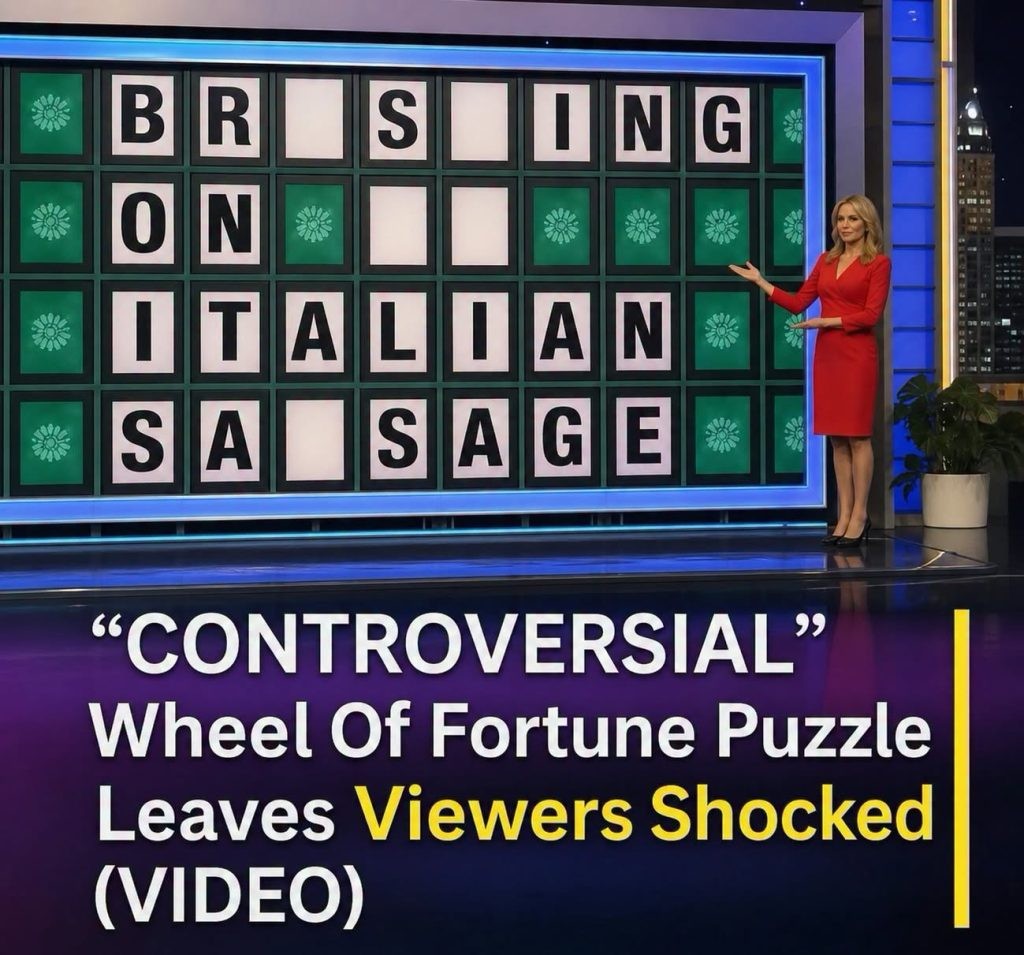
Television game shows have long held a unique position in popular culture, providing audiences with a blend of entertainment, competition, and suspense. Often, the tension and drama of these moments generate lively discussions among viewers, both in real time and in the aftermath. A recent episode exemplified this phenomenon, prompting widespread debate and emotional reactions due to the nature of its puzzles and the performance of its contestants. The convergence of challenging clues, unexpected solutions, and high financial stakes transformed the episode into a shared public experience.
The “Seeing the Green Flash” Puzzle: Framing and Difficulty
One of the central points of contention in the episode was the puzzle entitled “Seeing the green flash.” Traditionally, puzzles on game shows are designed to be both engaging and solvable, using everyday phrases or familiar phenomena. However, this clue deviated from the expected, referencing a rare natural event known as the green flash — an optical effect occasionally visible just as the sun sets or rises, when atmospheric conditions are precisely right.
The debate emerged over the puzzle’s framing, with viewers split on whether placing such a phenomenon under the category of “event” was appropriate. Many believed that the category led contestants to interpret the clue in terms of common occasions or social gatherings rather than infrequent natural events. As a result, participants were steered away from considering rarer expressions, heightening the puzzle’s perceived difficulty.
Audience Perception: Real-Time Solving versus Hindsight
The contrast between attempting to solve the puzzle in real time and viewing the solution in hindsight became a key driver of audience reaction. Viewers at home, with the answer already revealed, often remarked that the solution seemed obvious or accessible. This sense of hindsight bias is well-documented in cognitive science, where the tendency to see an event as predictable after it occurs alters perceptions of difficulty.
Experts in psychology note that solving puzzles on broadcast television is markedly different from solving them without pressure. The strict time limits, the presence of cameras, and the knowledge of substantial prizes can combine to create anxiety and hesitation in contestants. While viewers have the luxury of pausing, replaying, or even seeking hints on social media, contestants must process information and make decisions in a matter of seconds.
The Role of Background Knowledge in Puzzle Solving
Another layer of the discussion revolved around the impact of background knowledge. For some, “Seeing the green flash” was an expression they were familiar with, perhaps through exposure to nature documentaries, scientific articles, or even travel experiences. For others, the term was obscure, and its placement in the puzzle was seen as unfair or misleading.
This divergence highlights the importance of cultural and educational factors in game show outcomes. Puzzle creators must find a balance between including engaging twists and ensuring fairness for a diverse contestant pool. As game shows become ever more popular globally, the challenge of designing puzzles that are both inclusive and challenging grows more complex.
Contestant Experience: Pressure and Decision Making
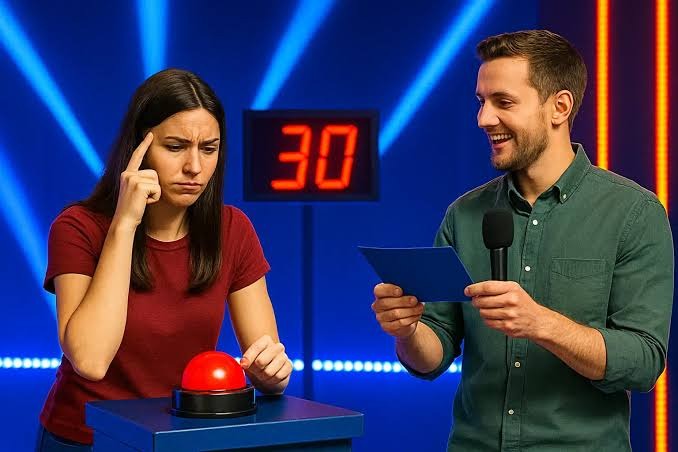
The episode’s Bonus Round, featuring Stephen Sporer, brought these dynamics into sharp relief. The solution, “ON OUR WAY,” comprised common words, a factor which amplified audience frustration when the puzzle was not solved. The moment encapsulated how even routine expressions become challenging under the unique pressure of televised competition. With a $40,000 prize at stake, every moment of hesitation was magnified, both for contestants and for the viewing public.
Research into game show performance consistently reveals that cognitive load, emotional stress, and the pressure of live decision-making can lead to mistakes that seem inexplicable in retrospect. The interplay between knowledge, quick thinking, and nerves is central to these outcomes, underscoring the complexities of competitive television formats.
Viewer Reaction: Empathy, Frustration, and Online Debate
The immediacy of social media has transformed the way audiences engage with game shows. As the episode aired, platforms like Twitter, Reddit, and Facebook hosted a lively debate, with viewers expressing everything from empathy for the contestant to outrage over the puzzle’s framing. Many reposted clips, imagining themselves in the contestant’s position, or speculating about alternate solutions and strategies.
This digital engagement reflects broader patterns in contemporary media consumption, where audiences move from passive viewing to active participation. The accessibility of replaying moments, analyzing clues, and comparing strategies allows viewers to become part of the game show experience, expanding the dialogue well beyond broadcast time.
Expert Views: The Science of Puzzle Construction and Fairness

Industry experts, including game show producers and cognitive psychologists, weighed in on the debates. Puzzle construction is guided by specific principles, aiming to balance novelty and accessibility. According to veteran producers, rare or unconventional clues can increase audience engagement, but risk confusing or alienating contestants if not appropriately framed.
From a scientific perspective, the “event” category is typically reserved for occasions with broad recognition. The inclusion of natural phenomena, while intriguing, raises challenges in ensuring equal footing among contestants with diverse backgrounds. Psychologists suggest that framing is crucial; slight differences in wording or category labeling can substantially impact the direction in which solvers pursue answers.
International and Societal Reactions
While the episode was broadcast in a specific national context, game show puzzles and controversies often resonate internationally. Viewers in other countries responded, with some comparing puzzle framing and clue accessibility in their own local game shows. The global reach of the format means that fairness, inclusivity, and effective puzzle construction are not just local concerns, but matter to worldwide audiences.
Societally, the response to the episode underscores a growing appreciation for transparency in competitive entertainment. As game shows increasingly integrate social media feedback, producers are more frequently called upon to justify or reconsider puzzle design, informed by global viewer input.
The Emotional Resonance of High Stakes Moments
At its core, the episode was more than a competition; it was an exploration of emotion, tension, and the unpredictability of televised games. The juxtaposition of an obscure puzzle and a common phrase in the Bonus Round created a blend of frustration and empathy among viewers. The significant financial stakes ensured that every decision felt consequential, leading to a lingering discourse well after the show concluded.
Viewer reactions revealed the powerful emotional bond audiences form with contestants, even when their roles are only vicarious. Empathy, second-guessing, and shared disappointment are part of what makes game shows enduringly popular. The episode’s resonance is a testament to the format’s ability to generate both entertainment and communal reflection.
Conclusion: Lessons for Game Show Design and Audience Engagement
The game show episode in question provided an instructive case study in puzzle design, audience perception, and emotional investment. The debates over fairness, framing, and difficulty offer insights both for producers aiming to optimize viewer engagement and for educators and psychologists interested in puzzle solving under pressure.
As game shows continue to evolve, the dialogue between creators and audiences will remain vital. Transparency, inclusivity, and responsiveness to viewer perspectives are increasingly important in maintaining trust and excitement. If anything, the episode demonstrates that game shows are not merely entertainment, but also arenas for learning, debate, and shared emotion.
Sources
Disclaimer: This content is intended for entertainment purposes only and is not based on real events.