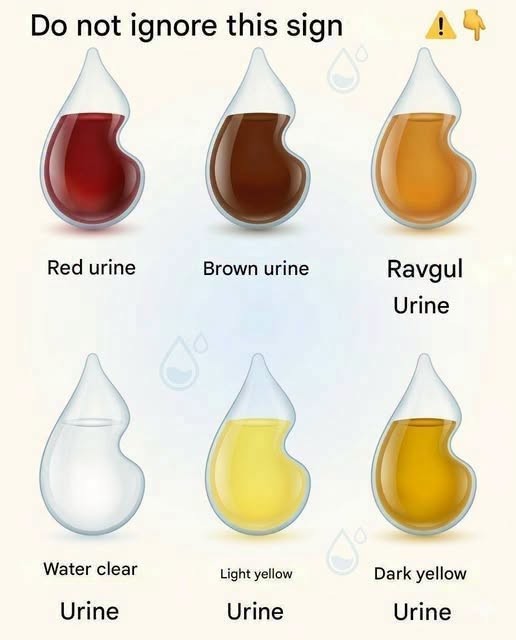
Urine color is a commonly overlooked indicator of the body’s health and hydration status. While many people pay little attention to the shade of their urine, medical professionals often use urine color as an immediate, non-invasive clue to help assess health, hydration, diet, medication effects, and sometimes underlying illness. This article explores what changes in urine color may signify, explains the science behind these variations, and offers guidance on when to seek medical attention for abnormal urine color.
The Science Behind Urine Color
Human urine owes its color primarily to a pigment called urochrome. Urochrome is a yellow pigment formed by the breakdown of hemoglobin from old red blood cells. As the body filters blood through the kidneys, waste products, water, electrolytes, and other by-products are excreted, giving urine its characteristic color and odor. The concentration of urochrome and other pigments, along with the presence of additional compounds, determines the final color of urine.
Besides urochrome, certain foods, medications, hydration status, and metabolic by-products can cause color variations. In the vast majority of cases, changes in urine color are transient and related to harmless factors. However, persistent changes, especially when accompanied by other symptoms, may warrant medical evaluation.
Hydration: The Most Important Factor Affecting Urine Color
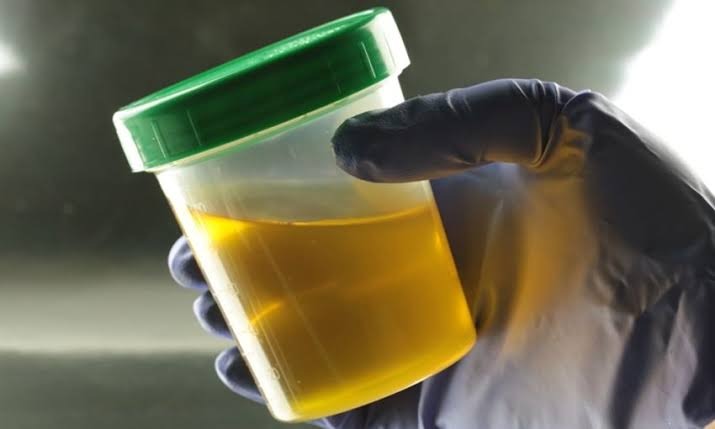
Hydration status is the dominant influence on urine color. When you consume adequate fluids, excess water dilutes the urochrome pigment, resulting in lighter, straw-colored urine. When you are not drinking enough liquids, the kidneys retain more water, so the urine becomes more concentrated and takes on a deeper yellow or amber hue.
Monitoring urine color can be a useful way for most people to gauge hydration. A pale yellow color typically signals good hydration, while darker shades suggest the need for increased fluid intake. According to the Centers for Disease Control and Prevention (CDC), adequate water intake supports the body’s health and functioning, not just by influencing urine color but also by supporting organ function, temperature regulation, and nutrient transport.
Understanding Common Urine Colors and Their Causes

Clear Urine
Clear urine generally means that you are drinking a lot of fluids. This can be common among athletes, those in hot environments, or individuals who are consciously increasing their water intake. While clear urine is not usually a sign of any medical problem, consistently clear urine over an extended period may indicate overhydration. Overhydration is rare but can lead to electrolyte imbalances such as hyponatremia.
Frequent, transparent urine is most often benign, but if accompanied by symptoms like persistent thirst, extreme urination frequency, or fatigue, it may be a sign of underlying medical conditions such as diabetes insipidus or uncontrolled diabetes mellitus. In such cases, consulting a healthcare professional is recommended.
Pale Yellow Urine
Pale yellow urine is widely considered to be the healthiest and most normal urine color. It indicates a proper balance of fluid and waste products in the body. This optimal color results from a well-hydrated body and proper kidney function. For most people, aiming to keep their urine pale yellow, as opposed to completely clear or dark, is a reasonable goal.
Dark Yellow or Amber Urine
Dark yellow or amber urine most commonly occurs due to mild dehydration. It is often seen after exercise, during hot weather, or whenever fluid intake lags behind the body’s needs. In such cases, simply drinking water typically returns urine color back to pale yellow within hours.
On occasion, consumption of certain B vitamins can intensify the yellow hue. However, if dark urine persists despite adequate fluid intake, or if it is accompanied by symptoms such as fatigue or jaundice (yellow skin and eyes), it may point to liver disorders or other health issues. See a healthcare provider if you are concerned.
Orange Urine
Orange urine may be a result of dehydration, which causes urine to appear more concentrated. It can also be caused by specific medications (e.g., phenazopyridine used for urinary tract discomfort, some laxatives, and certain chemotherapy drugs), high-dose vitamin supplements (such as vitamin B2 or beta-carotene), and foods that contain artificial colorings or strong natural pigments.
Less commonly, orange urine can signal a liver or bile duct condition, especially if combined with pale stools or yellowing of the skin or eyes. This could indicate elevated bilirubin levels (jaundice), a sign that deserves medical evaluation.
Pink or Red Urine
Pink or red urine may result from eating foods like beets, blackberries, or rhubarb, all of which contain pigments that can temporarily tint urine red or pink. However, the presence of blood in urine—a condition known as hematuria—is a major medical concern. Blood can be caused by urinary tract infections, kidney stones, trauma, or more serious conditions such as kidney disease or tumors.
If blood in urine is suspected, especially without an obvious dietary cause, or when associated with pain, fever, or urinary difficulties, prompt medical evaluation is essential. Note that certain medications (e.g., rifampicin, phenazopyridine) can also turn urine red or pink.
Brown Urine
Brown urine is sometimes seen with severe dehydration, when bladder or kidney function is compromised, or when large quantities of certain medications (such as metronidazole, nitrofurantoin, or muscle relaxants) are taken. In some cases, brown urine may signify an underlying problem with the liver or kidneys. Conditions such as hepatitis, cirrhosis, or rhabdomyolysis (muscle breakdown) can cause brownish urine, and medical attention should be sought, especially if accompanied by fatigue, abdominal pain, or swelling.
Intense exercise, particularly in hot climates, can occasionally produce brown urine due to the breakdown of muscle tissue and the release of myoglobin. Myoglobin can damage the kidneys, so if you notice brown urine after extreme physical exertion, consult your doctor, especially if muscle soreness and weakness persist.
Blue or Green Urine
Blue or green urine is very rare. Most cases are linked to the use of medications that contain blue or green dyes (such as propofol, amitriptyline, or indomethacin), certain food colorings, or medical procedures involving dyes. On extremely rare occasions, unusual genetic or metabolic conditions (e.g., familial hypercalcemia, also called blue diaper syndrome) may be involved. While such discolorations can be disconcerting, they are almost always benign when linked to diet or medication. Persistent or unexplained blue or green urine should be brought to a healthcare provider’s attention to rule out infections, such as those due to Pseudomonas bacteria.
When to See a Doctor About Urine Color
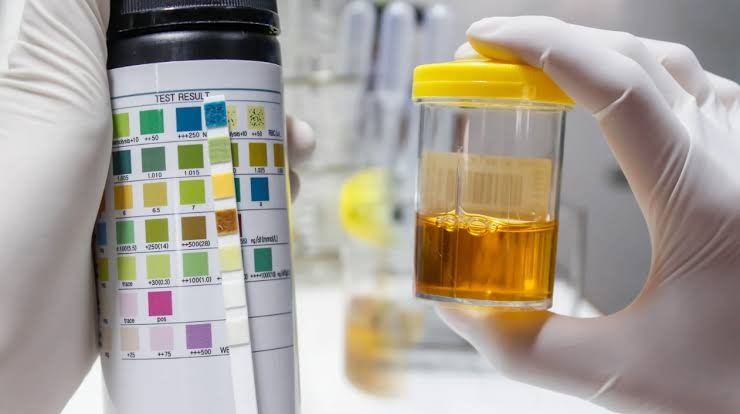
In most individuals, urine color changes are harmless and related to hydration, diet, or medications. However, certain signs suggest the need for medical evaluation. Consult your healthcare provider if:
- Urine color changes are persistent and not explained by food, drink, or medications
- You notice red, brown, or black urine (possible blood)
- Urine color change is accompanied by pain, burning, fever, or back pain
- There are additional symptoms such as swelling, fatigue, or jaundice
- Abnormal urine color continues despite good hydration
Early diagnosis can be lifesaving in cases where abnormal urine color is linked to serious conditions. Urinalysis, blood tests, and medical imaging may be used to investigate unusual findings further.
Expert Views and Medical Recommendations
According to medical professionals, urine color is a practical indicator of hydration and metabolic function but should always be interpreted in context. Dr. John Lieske, a nephrologist at the Mayo Clinic, emphasizes that one-off changes in urine color are rarely cause for alarm. However, recurrent or persistent changes, especially red or dark brown tints, should prompt further investigation to rule out kidney, liver, or urinary tract conditions.
The World Health Organization (WHO) supports using simple clinical signs, such as urine color and output, as part of broader health assessments. Nevertheless, they caution against using these indicators in isolation for diagnosis.
International Context and Societal Understanding
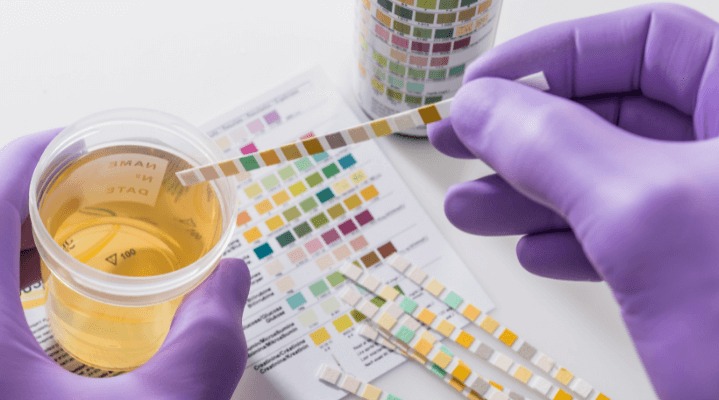
The recognition and understanding of urine color as a health indicator vary globally. In some cultures, home health monitoring—such as checking the color of urine—is considered a normal part of preventive care, while in others, it is less emphasized. Public health organizations, including the CDC and WHO, continue to educate individuals about the importance of hydration, with urine color being just one easy metric for self-assessment.
Technology has increased awareness, with mobile applications and smart toilets offering feedback on hydration and urine composition. However, experts warn about over-reliance on technology and stress the importance of understanding the body’s natural signals and seeking professional guidance when necessary.
Conclusion
Urine color is an easily accessible, practical tool for self-monitoring hydration and, in some cases, overall health. Most color changes are benign and reflect dietary habits, fluid intake, or medications. However, persistent or unexplained changes—especially red, brown, or very dark urine—require medical attention. Maintaining awareness of your urine color and overall well-being, along with seeking timely professional advice, helps ensure early detection and effective management of potential health issues.
Sources
- Centers for Disease Control and Prevention (CDC)
- World Health Organization (WHO)
- Mayo Clinic
- Harvard Health Publishing
- BBC Future
Disclaimer: This content is intended for entertainment purposes only and is not based on real events.