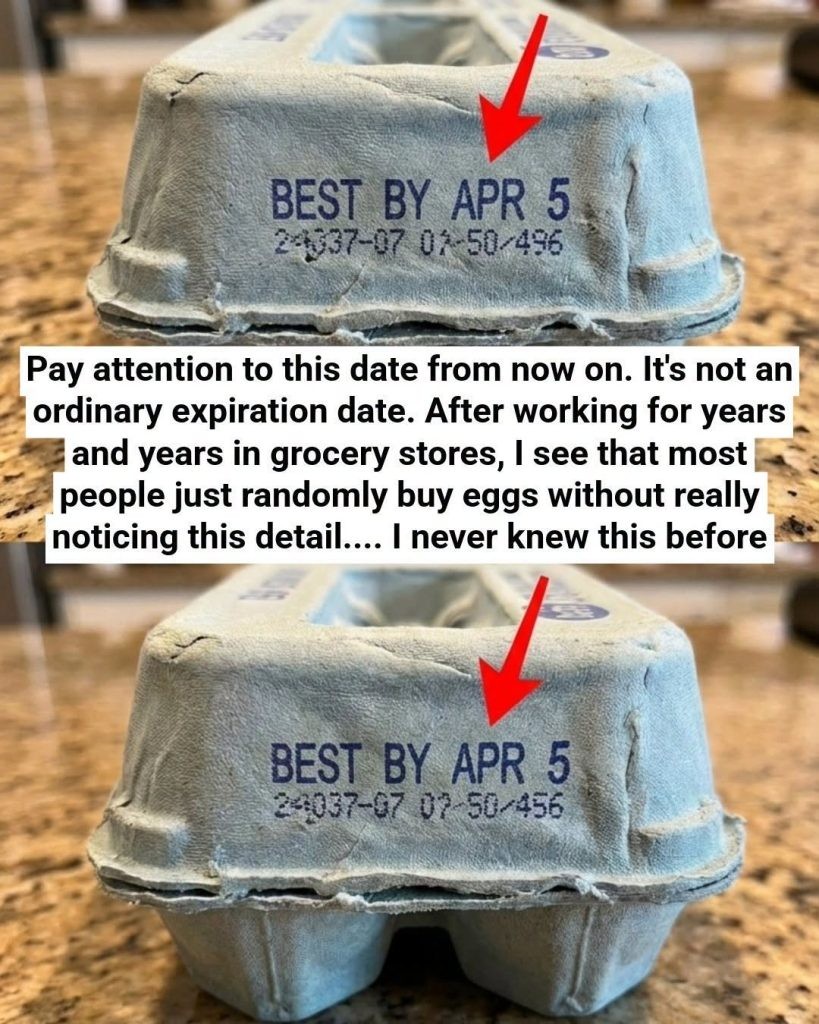
Eggs are a staple in home kitchens around the world, prized for their versatility and nutrition. When purchasing eggs, consumers often notice various codes and dates printed on the carton, which can be confusing. Understanding these carton codes can help you make informed decisions about which eggs to use first, how to store them, and how to ensure both their freshness and safety. In this article, we’ll explain how to read egg carton codes, why refrigeration matters, how to handle eggs safely, and what the dates really mean according to leading food safety authorities.
What Are Egg Carton Codes?
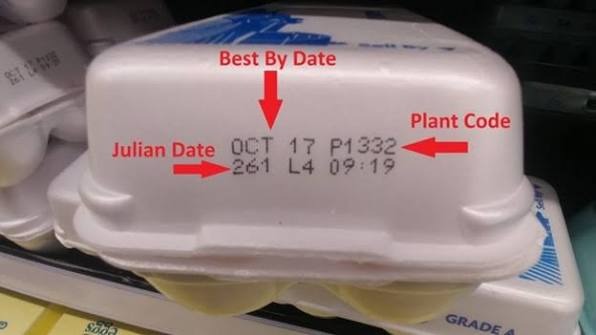
Egg cartons in the United States typically display several codes and dates, each serving different purposes. The three most common markings are:
- Julian Date Code (Pack Date): A three-digit code ranging from 001 to 365, representing the day of the year the eggs were washed, graded, and placed in the carton.
- Processing Plant Number: Usually begins with a “P,” indicating the USDA-registered facility where the eggs were processed.
- Expiration, Sell By, or Best By Dates: Optional labels that provide guidelines for grocery stores and consumers on how long eggs should be kept on shelves or used for best quality.
Decoding the Julian Date
The three-digit packing code, also known as the Julian date, is a numbering system that provides a precise indication of when the eggs were packaged. This code runs from 001, indicating January 1st, to number 365, correlating to December 31st in a non-leap year. For example:
- 032 means the eggs were packaged on February 1st.
- 198 means July 17th.
This system allows you to compare several cartons in the store and opt for the freshest batch by selecting those with the highest pack date (closest to the current day of the year). However, the packing date does not tell you how long eggs will remain safe to eat or fresh. It is just one part of the overall picture.
Other Codes and Labels on Egg Cartons
Besides the Julian date, you may notice additional labeling:
- Plant Code: A code such as “P1234” indicates which plant processed and packaged the eggs. This number is used for traceability and quality control.
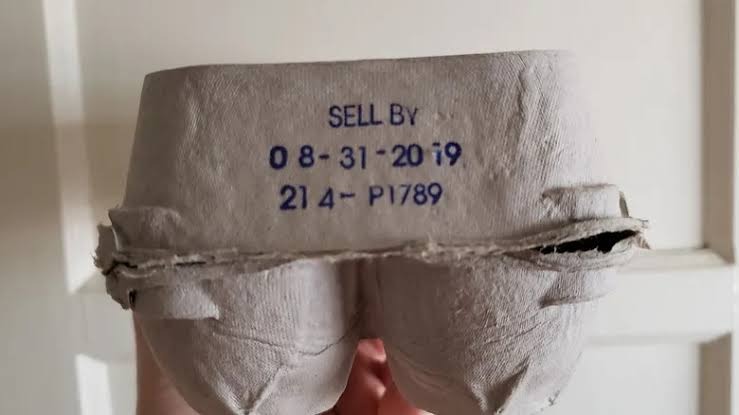
- Sell By Date: Intended primarily for store inventory management and is not a safety-related date.
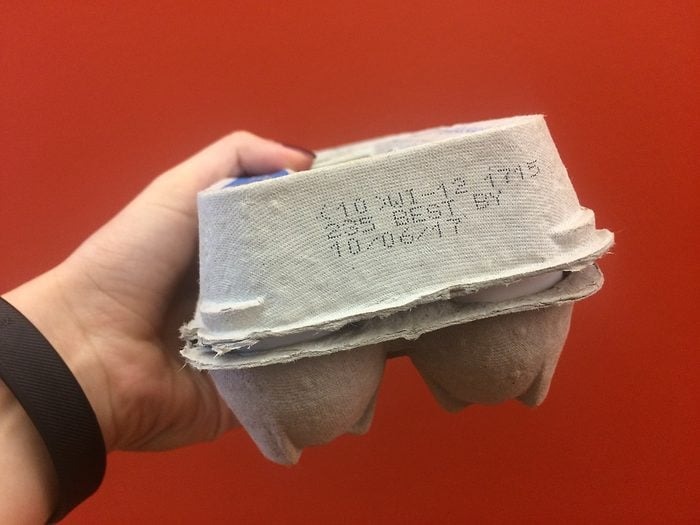
- Best By/Best Before Date: Indicates the date up to which the eggs are expected to maintain their best quality, according to the packer. However, eggs can often still be used successfully beyond this date if stored properly.
It’s important to know that in the U.S., federal regulations require cartons to display the packing date, but state regulations determine whether “Sell By” or “Best By” dates must be provided. This variation contributes to the variety of labels on cartons in different regions.
How Long Do Eggs Last?
According to the United States Department of Agriculture (USDA), raw shell eggs that have been refrigerated continuously can last three to five weeks after they are purchased. This means eggs often remain usable well beyond the date listed on the carton, provided they have been kept under proper conditions. Experts recommend storing eggs at or below 40°F (4°C), as lower temperatures help prevent the growth of harmful bacteria and slow down the process of natural aging.
Guidelines for Safe Storage
To maximize freshness and minimize the risk of foodborne illness, the following storage practices are advised:
- Refrigerate eggs promptly after purchase; do not leave them at room temperature for longer than two hours.
- Keep eggs in their original carton to protect them from absorbing strong odors and flavors from other foods as well as to prevent moisture loss.
- Store eggs on an interior shelf instead of in the refrigerator door, where temperatures fluctuate more frequently due to opening and closing.
- Do not wash eggs before storing as commercial eggs in the U.S. are already washed and sanitized. Washing can remove the protective coating and make eggs more susceptible to contamination.
Proper storage is crucial not just for retaining egg quality, but also for reducing the risk of bacterial growth, most notably Salmonella.
Why Carton Codes Can’t Guarantee Safety
While packing and best-by dates are helpful for managing egg use and quality, they cannot ensure an egg’s safety. Harmful bacteria cannot be detected by sight or smell, and an egg may appear otherwise normal even if it harbors pathogens such as Salmonella enteritidis. This bacteria is the leading cause of egg-related foodborne illness in the United States and is why authorities recommend careful handling and thorough cooking.
The Limitations of the Water Float Test
A common traditional method for testing egg freshness is the “water float test,” where eggs are placed in a bowl of water to see if they float or sink. As an egg ages, its air cell grows, causing it to float more easily. While this test can indicate whether an egg is older, it is not a substitute for assessing safety. An older but properly stored egg may float yet still be safe to eat, while a seemingly fresh egg could still be contaminated. The Centers for Disease Control and Prevention (CDC) and USDA do not endorse the water float test as a reliable safety measure.
Best Practices for Egg Handling
Observing good hygiene and food safety procedures when handling eggs minimizes the risk of illness:
- Inspect eggs at purchase for cracks or visible dirt. Discard eggs that are cracked or heavily soiled, as bacteria can enter through breaks in the shell.
- Wash hands, utensils, and surfaces with soap and hot water after touching raw eggs or egg shells to prevent cross-contamination.
- Promptly refrigerate cooked eggs or dishes containing eggs. Cooked eggs should be refrigerated within two hours of preparation.
Cooking Eggs Safely
Proper cooking is one of the most effective ways to eliminate potential bacterial contamination. According to U.S. Food and Drug Administration (FDA) guidelines:
- Eggs should be cooked until both the white and yolk are firm (160°F or 71°C).
- Scrambled eggs should not be runny or liquidy.
- Egg-based dishes such as casseroles should be baked to an internal temperature of 160°F (71°C) as measured with a food thermometer.
- Hard-boiled eggs can be safely stored in the refrigerator for up to one week after cooking; cooked egg dishes last three to four days.
These precautions are especially important for people with weakened immune systems, the elderly, young children, and pregnant women, as they are more susceptible to severe illness from foodborne pathogens.
International Practices: Do Egg Carton Labels Differ?
Egg labeling and storage practices vary internationally. In some countries, eggs are not washed and sanitized as they are in the United States. As a result, eggs may retain a natural protective coating, allowing them to be stored at room temperature for limited periods. However, in the U.S. and countries with similar commercial practices, refrigeration is essential from collection to consumption due to the removal of this protective barrier. International consumers should always follow the food-safety recommendations specific to their country of residence.
Expert Opinions on Egg Storage and Safety
Food safety experts unanimously cite refrigeration as the most important factor in prolonging egg shelf life and reducing the risk of foodborne illness. For instance, the Centers for Disease Control and Prevention (CDC) recommends immediate refrigeration, never consuming eggs that are visibly damaged, and practicing regular hand hygiene. The USDA similarly emphasizes the differences between freshness and safety, cautioning consumers against relying solely on carton codes to make eating decisions.
Summary: How to Use Carton Codes Effectively
Egg carton codes are a useful tool for monitoring the age and suggested use-by dates of eggs, but are not the sole indicator of safety or freshness. Always consider the following:
- Use the Julian date to determine the packing date and opt for freshly packed eggs.
- Do not rely exclusively on the sell by, best by, or float test to assess safety.
- Store eggs properly at or below 40°F (4°C), maintain good kitchen hygiene, and cook eggs thoroughly.
- When in doubt due to visible contamination, cracks, or improper storage, it is safest to discard the eggs.
By combining knowledge of egg carton codes with best practices in storage and handling, you can confidently enjoy eggs as a healthy and safe component of your diet.
Sources
- USDA: Eggs – Freshness and Food Safety
- FDA: Safe Handling of Eggs and Egg Products
- CDC: Food Safety and Eggs
- USDA Food Safety and Inspection Service: Egg Storage and Handling
- BBC: How Long Can You Keep Eggs Beyond the Sell-By Date?
- Mayo Clinic: Egg Safety Guidelines
Disclaimer: This content is intended for entertainment purposes only and is not based on real events.