
Avocados: A Nutrient-Rich Food for Everyday Wellness
Imagine starting your morning with a simple slice of toast topped with creamy avocado. It may look like an ordinary breakfast, but beneath its smooth texture is a combination of healthy fats, dietary fiber, vitamins, minerals, and plant compounds that can contribute to a balanced diet.
Avocados have earned a reputation as a “superfood,” although that term is more of a popular description than a scientific category. Their real appeal comes from their nutrient profile and versatility. From supporting heart health to helping meals feel more satisfying, avocados can be a valuable addition to many eating patterns.
What Makes Avocados Nutritionally Valuable?
Avocados are unusual among fruits because they contain relatively little sugar and are particularly rich in monounsaturated fat. They also provide dietary fiber, potassium, folate, vitamin E, vitamin K, and several other nutrients.
Their combination of fat and fiber can make meals more satisfying. In addition, the fat in avocados can help the body absorb certain fat-soluble nutrients found in other foods.
This does not mean that eating avocados alone can guarantee better health. Rather, they can complement an overall balanced diet that includes vegetables, fruits, whole grains, protein sources, and other nutrient-rich foods.
Avocados and Heart Health

One of the most discussed benefits of avocados is their potential role in a heart-conscious diet.
Avocados contain predominantly monounsaturated fatty acids. Replacing some foods higher in saturated fat with foods containing unsaturated fats can support healthier blood cholesterol levels.
Avocados also provide potassium, an important mineral involved in fluid balance and normal blood pressure regulation. Getting enough potassium through a varied diet is generally considered beneficial for cardiovascular wellness.
However, it is important to keep the bigger picture in mind. No single food prevents heart disease. Heart health is influenced by overall eating habits, physical activity, sleep, genetics, and other lifestyle factors.
Dietary Fiber and Digestive Health
Another reason avocados stand out is their fiber content.
Dietary fiber supports normal digestion and can contribute to regular bowel movements. Certain types of fiber also serve as fuel for beneficial microorganisms in the digestive system, making fiber-rich foods an important part of a healthy eating pattern.
Adding avocado to a meal can therefore be an easy way to increase fiber intake while also adding texture and flavor.
For people who are increasing their fiber intake, however, gradual changes and adequate fluid intake can make the transition more comfortable.
Can Avocados Support Blood Sugar Management?
Avocados contain very little naturally occurring sugar and provide both fat and fiber. These characteristics can make them a useful component of meals designed to provide sustained satisfaction.
When avocado is combined with carbohydrate-containing foods, its fat and fiber content may influence how quickly a meal is digested and how carbohydrates are absorbed.
Still, claims that avocados “control blood sugar” or prevent diabetes go beyond what a single food can reasonably accomplish. Blood glucose regulation involves the entire diet, physical activity, body composition, genetics, and metabolic health.
For that reason, avocados are best viewed as one nutritious ingredient rather than a standalone solution.
Supporting Skin and Cellular Health

Avocados also contain vitamin E and various plant compounds with antioxidant properties.
Antioxidants help protect cells from oxidative processes that occur naturally in the body. Avocados also provide nutrients involved in maintaining normal skin and cellular function.
Their healthy fats may contribute to overall dietary patterns associated with skin wellness as well.
However, eating avocado should not be presented as a guaranteed way to prevent wrinkles, reverse skin aging, or treat a particular skin condition. Skin health depends on many factors, including genetics, sun exposure, hydration, sleep, and overall nutrition.
Avocados and Brain-Friendly Nutrition
The brain requires a steady supply of energy and nutrients, and dietary patterns rich in unsaturated fats, vegetables, fruits, whole grains, and other minimally processed foods are generally associated with overall wellness.
Avocados contribute monounsaturated fats, folate, vitamin E, potassium, and other nutrients to the diet. These nutrients play various roles in normal cellular and nervous-system function.
It is tempting to describe avocados as a food that directly “boosts brain power,” but that wording oversimplifies nutrition. A healthy brain benefits from an entire lifestyle rather than one particular ingredient.
Could Avocados Help With Weight Management?
Although avocados are relatively energy-dense because of their fat content, they can also be quite filling.
The combination of fat and fiber may help a meal feel more satisfying, potentially making it easier for some people to manage hunger between meals.
At the same time, portion size matters. Eating large quantities of any energy-dense food can contribute significant calories.
A practical approach is to use avocado as part of a balanced meal rather than treating it as a food that automatically causes weight loss.
For example, a moderate serving of avocado can complement vegetables, beans, whole-grain toast, eggs, or lean protein.
A Versatile Ingredient for Everyday Meals
Perhaps one of the greatest advantages of avocados is how easily they fit into different meals.
For breakfast, mashed avocado can be spread over whole-grain toast and paired with eggs or vegetables. At lunch, sliced avocado can add creaminess to salads, grain bowls, and sandwiches.
For dinner, avocado can be served alongside beans, grilled vegetables, fish, chicken, or whole grains.
It can also become the foundation of guacamole, a creamy salad dressing, or a smoothie ingredient.
Because avocado has a mild flavor and creamy texture, it can sometimes replace heavier ingredients in recipes while providing additional nutrients.
How Much Avocado Should You Eat?
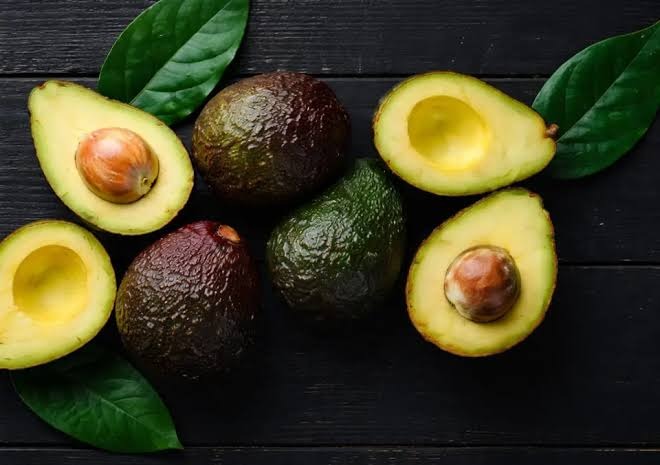
There is no universal amount of avocado that everyone needs.
The appropriate portion depends on an individual’s overall diet, nutritional needs, energy requirements, and personal preferences.
Rather than focusing on a specific “perfect” serving, consider how avocado fits into the rest of the meal. Pairing it with colorful vegetables, whole grains, and a source of protein can create a more nutritionally balanced plate.
It is also worth remembering that variety matters. Avocados are nutritious, but they should be one part of a diverse diet rather than the only source of healthy fats or plant foods.
The Bigger Picture: Food as Part of a Healthy Lifestyle
The popularity of avocados reflects a broader interest in using food to support long-term wellness. Nutrition can certainly play an important role in maintaining health, but it is more accurate to think of individual foods as contributors rather than cures.
Avocados can provide healthy fats, fiber, potassium, vitamins, and other beneficial nutrients. These qualities make them a worthwhile addition to many diets.
At the same time, statements that avocados can “heal” disease, dramatically boost immunity, or replace medical treatment should be treated cautiously. Scientific evidence generally supports the importance of overall dietary patterns rather than miraculous effects from individual foods.
A balanced lifestyle that includes nutritious food, regular movement, sufficient sleep, stress management, and appropriate medical care remains a stronger foundation for long-term wellness.
Simple Ways to Add More Avocado to Your Diet

Adding avocado does not require complicated recipes.
Try spreading mashed avocado onto whole-grain toast, adding sliced avocado to a salad, mixing it into a bean bowl, or serving guacamole alongside fresh vegetables.
You can also blend avocado into a smoothie for a naturally creamy texture or add small pieces to a grain bowl with vegetables and a protein source.
The goal is not to dramatically change your diet overnight. Small, enjoyable additions can make healthy eating more practical and sustainable.
Final Thoughts
Avocados may not be a magical “superfood,” but their nutritional qualities make them an impressive and versatile part of a balanced diet. Their combination of monounsaturated fats, fiber, potassium, vitamin E, folate, and other nutrients gives them a useful place on the everyday menu.
The most meaningful lesson is perhaps that good nutrition does not have to be complicated. A simple avocado added to a colorful, varied meal can contribute valuable nutrients while making food more enjoyable.
Ultimately, healthy eating is less about finding one perfect ingredient and more about building a pattern of choices that supports the body over time.