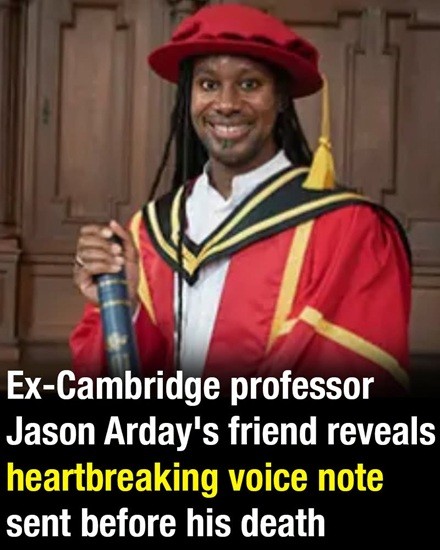
A Story That Sparked National Reflection
The death of Professor Jason Arday at the age of 41 has prompted widespread discussion across the United Kingdom and beyond. For many people, the news was difficult to process. Only days earlier, Arday had resigned from his position at the University of Cambridge amid growing scrutiny surrounding allegations related to aspects of his academic record.
His passing quickly became more than a story about a university controversy. It evolved into a broader conversation about academic accountability, public criticism, media attention, workplace pressures, and the responsibilities institutions hold toward the people they employ.
As tributes, investigations, and public debates continue, many questions remain unanswered. What is known is that Arday was a respected scholar whose career inspired many people, particularly through his work on education, social mobility, and inequality. What is also known is that the final weeks of his life involved extraordinary public scrutiny that generated intense discussion across academia and the media.
Understanding Jason Arday’s story requires looking beyond headlines and examining both the achievements that defined his career and the complex circumstances that surrounded its final chapter.
Who Was Jason Arday?
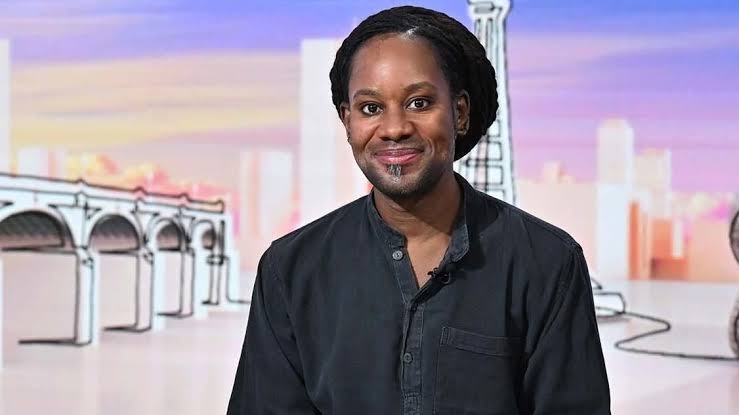
Jason Arday was a British academic recognized for his research and public engagement on issues relating to education, inequality, race, and social mobility.
Throughout his career, he worked at several universities and became known for exploring barriers to educational opportunity and discussing ways institutions could become more inclusive. His scholarship focused on improving outcomes for disadvantaged communities and examining structural inequalities within education systems.
Arday also spoke openly about his personal experiences. He frequently discussed being autistic and described challenges he faced during childhood, including communication and learning difficulties. These experiences became an important part of his public identity and helped inspire many students who viewed his academic success as evidence that barriers could be overcome.
His personal story attracted significant public attention because it combined academic achievement with a narrative of perseverance and determination.
A Historic Appointment at Cambridge
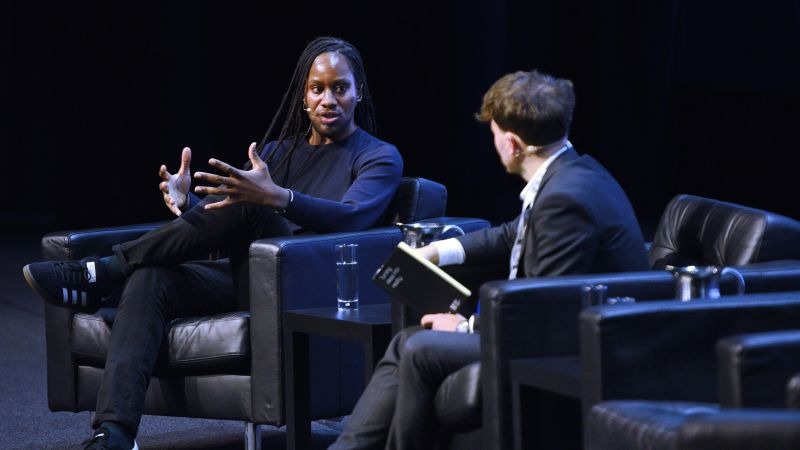
In 2023, Jason Arday’s appointment as a professor at the University of Cambridge generated international headlines.
At the time, he became the youngest Black person appointed to a professorship at the university. The milestone was widely celebrated as a significant moment for representation within British higher education.
Cambridge highlighted both his academic contributions and his broader impact on discussions surrounding educational opportunity. News outlets covered his appointment extensively, and he quickly became one of the most visible academics in the country.
For supporters, his success represented progress within institutions that have historically faced criticism regarding diversity and representation.
His appointment was viewed not only as a professional achievement but also as a symbol of broader social change.
Academic Contributions and Public Influence
Before joining Cambridge, Arday had built a respected academic career through teaching, research, and public commentary.
His work frequently addressed educational inequality, social mobility, and the experiences of underrepresented groups within education systems. He contributed to discussions about how universities and schools could create more equitable opportunities for students from diverse backgrounds.
Beyond academic journals and conferences, Arday regularly engaged with the public through interviews, articles, and speaking engagements.
His ability to communicate complex ideas in an accessible way helped expand his influence beyond university campuses. Students, educators, policymakers, and members of the public often looked to his work when discussing educational reform and social inclusion.
This visibility would later become an important factor in the intense public attention surrounding the controversy that emerged.
The Controversy That Changed Everything
In 2026, questions began emerging about portions of Arday’s academic record.
Allegations focused on passages within his doctoral thesis and other aspects of his scholarly work. As media coverage expanded, additional scrutiny was directed toward elements of his professional biography and public achievements.
The controversy rapidly grew beyond academic circles.
What began as questions about research practices evolved into a much larger public debate involving academic standards, institutional oversight, diversity initiatives, and media responsibility.
Arday denied accusations that he had deliberately misled people or acted dishonestly. At the same time, he acknowledged that errors existed within parts of his academic work.
This distinction became central to public discussions.
Supporters emphasized the difference between intentional misconduct and mistakes requiring correction. Critics argued that universities must maintain consistent standards regardless of an individual’s prominence or personal background.
As attention intensified, opinions became increasingly polarized.
Cambridge Investigations and Resignation
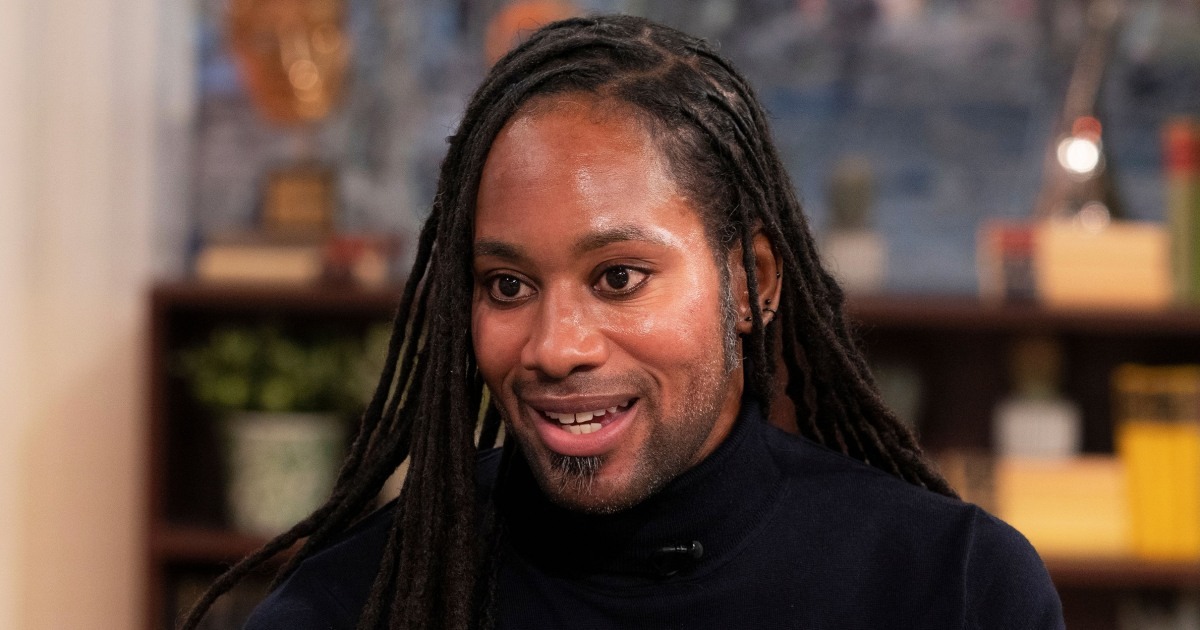
As concerns expanded, the University of Cambridge announced investigations into aspects of Arday’s academic record and appointment.
The investigations attracted significant media attention and placed Arday at the center of a national debate.
On August 5, 2026, he resigned from his professorship.
In public statements, Arday described the toll that ongoing allegations, speculation, and commentary had taken on both himself and those close to him.
The resignation marked a dramatic reversal for a scholar whose appointment had previously been celebrated as a major achievement.
Only a few years earlier, he had represented a success story embraced by many within higher education. Now, he found himself facing scrutiny that extended far beyond academic discussions.
The speed of that transformation became one of the most widely discussed aspects of the case.
Public Scrutiny and Online Debate
One reason the controversy attracted such attention was its intersection with broader social and political issues.
Questions about academic standards became intertwined with debates about race, diversity initiatives, representation, and institutional decision-making.
Different groups interpreted events through very different lenses.
Some observers argued that rigorous examination of academic work is essential regardless of an individual’s background. From this perspective, accountability and transparency are fundamental principles within higher education.
Others argued that legitimate scrutiny became mixed with personal attacks and hostility that extended beyond the evidence being examined.
The rise of social media added another layer of complexity.
Online platforms can rapidly amplify allegations, opinions, and commentary. Discussions often move beyond specific facts and become broader judgments about character, motives, and personal history.
In high-profile cases, this environment can create intense pressure for the individuals involved.
The Circumstances of Jason Arday’s Death
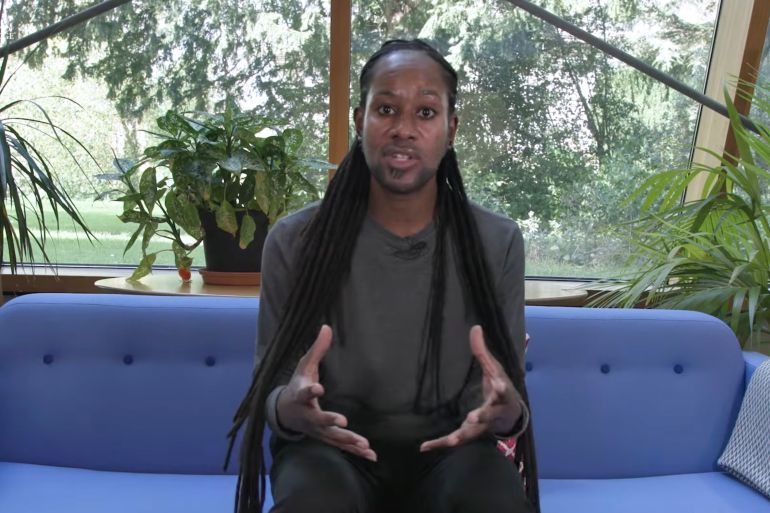
In August 2026, Jason Arday was found dead at his home in south London.
The Metropolitan Police stated that his death was unexpected but was not believed to be suspicious. Officers confirmed that his next of kin had been informed and that information would be prepared for the coroner.
These official statements remain important because they establish the known facts currently available to the public.
At the time of writing, authorities have not publicly identified a specific cause of death through formal findings. As a result, responsible reporting requires caution and avoids presenting speculation as established fact.
The formal coroner process exists precisely to determine circumstances through evidence rather than assumption.
Simon Baron-Cohen’s Reflections
Following Arday’s death, Professor Sir Simon Baron-Cohen spoke publicly about conversations he had with his colleague and friend.
During an appearance on BBC Radio 4’s Today programme, Baron-Cohen described messages and discussions in which Arday reportedly expressed significant distress related to the pressures he was experiencing.
Baron-Cohen suggested that the scrutiny surrounding Arday had become increasingly difficult for him to manage.
His comments attracted considerable attention because they provided a personal perspective from someone who knew Arday professionally and personally.
However, it is important to understand the limits of such accounts.
Baron-Cohen was describing his understanding of a friend’s experiences and sharing observations from private communications. His reflections do not constitute official findings about the cause of death or establish direct responsibility for what happened.
They are part of the broader picture rather than definitive conclusions.
Family Statements and Calls for Compassion
Arday’s family also released statements following his death.
They described him as a caring individual and expressed concerns about the pressure he had experienced in recent years. Family members said they believed he had endured sustained public criticism and misinformation.
At the same time, they requested privacy while grieving.
Their statements reflected the perspective of those closest to him and highlighted an important reality often overlooked during public controversies: behind every widely discussed figure is a family coping with very personal loss.
For relatives, the story was not primarily about academic debates or media coverage.
It was about a son, father, partner, brother, and friend.
That human dimension remains central to understanding the impact of the tragedy.
Accountability and Compassion: Can Both Exist?
One of the most significant discussions arising from Arday’s death concerns the relationship between accountability and compassion.
Some commentators have framed the issue as a choice between maintaining academic standards and showing empathy toward individuals under investigation.
In reality, many scholars argue that these principles are not mutually exclusive.
Universities have legitimate responsibilities to examine allegations involving academic work. Research integrity, accurate attribution, and professional standards are fundamental to scholarly institutions.
At the same time, investigations can be conducted while recognizing the dignity and well-being of those involved.
The challenge lies in maintaining both commitments simultaneously.
Arday’s case has prompted many people to reflect on whether institutions, media organizations, and online communities have appropriate mechanisms for balancing these responsibilities.
Broader Questions for Universities and Society
The discussions surrounding Jason Arday extend beyond one individual case.
His story has raised broader questions about how universities evaluate high-profile appointments, how allegations are investigated, and how public scrutiny affects individuals facing controversy.
Questions have also emerged about safeguarding, employee support, and institutional responsibilities during periods of intense public attention.
Similarly, journalists and media organizations have faced questions about where legitimate reporting ends and unnecessary intrusion begins.
These are complex issues without simple answers.
Reasonable people may disagree about specific aspects of the case while still recognizing the need for thoughtful discussion about the systems involved.
Conclusion: A Life That Continues to Prompt Reflection
Jason Arday’s life and career touched many people.
He was a scholar whose work focused on educational opportunity, social mobility, and inclusion. His achievements inspired students and colleagues, and his appointment at Cambridge represented a significant milestone in British higher education.
At the same time, the final chapter of his career became the subject of intense controversy and public debate.
The facts currently available show that serious questions were raised about aspects of his academic record, that he disputed allegations of deliberate dishonesty while acknowledging errors, that he experienced significant public scrutiny, and that he died unexpectedly at the age of 41.
Beyond those facts, caution remains essential.
Investigations, institutional reviews, and formal processes exist to establish evidence rather than assumptions.
Perhaps the most enduring lesson from this story is the importance of maintaining humanity during public controversies. Accountability matters. Evidence matters. Standards matter.
But so does remembering that behind every headline is a person whose life is more complex than any single news story can fully capture.
As discussions about Jason Arday continue, the most constructive responses may be those rooted in accuracy, compassion, and a willingness to reflect carefully rather than rush toward certainty.
Sources
-
University of Cambridge Official Announcements
https://www.cam.ac.uk -
BBC News and BBC Radio 4 Today Programme Coverage
https://www.bbc.com/news -
The Guardian – Higher Education Reporting
https://www.theguardian.com -
The Times Higher Education
https://www.timeshighereducation.com -
UK Metropolitan Police Service Statements
https://www.met.police.uk -
Office for National Statistics – Higher Education Data
https://www.ons.gov.uk -
Universities UK – Higher Education Governance Resources
https://www.universitiesuk.ac.uk