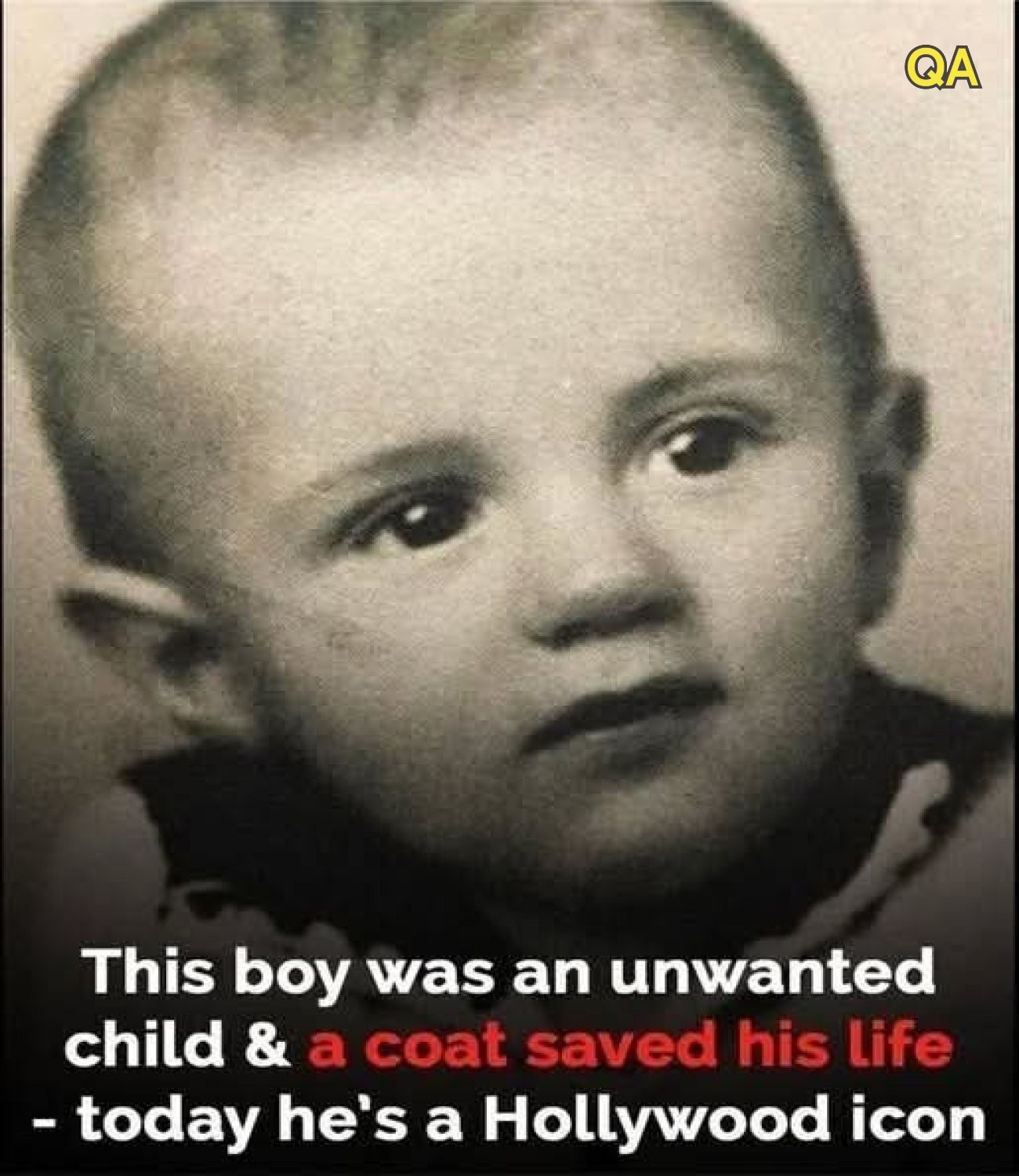
Growing up as the son of one of Hollywood’s most recognizable stars could easily have become the defining feature of Sage Stallone’s life. His father, Sylvester Stallone, had become a global icon through films such as Rocky and Rambo, but Sage’s own interests eventually led him toward a very different side of filmmaking.
Rather than simply following his father into blockbuster cinema, Sage developed a passion for classic movies, independent filmmaking, film preservation, and storytelling. His journey was relatively short, but it reflected a young man determined to establish an identity beyond his famous family name.
Today, Sage is remembered not only as Sylvester Stallone’s eldest son, but also as an actor, filmmaker, writer, producer, and devoted film enthusiast whose interests extended well beyond Hollywood celebrity.
Growing Up in a Famous Family
Sage Moonblood Stallone was born on May 5, 1976, in Los Angeles, California. He was the first son of Sylvester Stallone and Sasha Czack.
His childhood unfolded during an extraordinary period in his father’s career.
By the time Sage was growing up, Sylvester Stallone had become one of the biggest stars in American cinema. The enormous popularity of Rocky had transformed his career and established a character that would remain closely associated with him for decades.
For Sage, however, having a famous father meant living with an unusual combination of opportunity and expectation.
The public already knew his family name before he had the opportunity to establish his own identity. That could have created pressure, particularly for someone interested in entering the same creative industry.
Yet Sage gradually developed interests that were distinctly his own.
Sage Stallone and His Passion for Cinema
Sage did enter the entertainment industry, but his interests were broader than simply becoming a Hollywood star.
He was fascinated by cinema itself.
Rather than concentrating exclusively on mainstream productions, Sage developed an appreciation for older movies, independent filmmakers, and the preservation of film history.
That passion eventually led him toward film preservation and restoration.
In 1996, Sage and filmmaker Bob Murawski founded Grindhouse Releasing, a company dedicated to restoring and preserving films that might otherwise have been forgotten.
The project reflected something important about Sage’s personality.
He was not simply interested in appearing in front of a camera. He was fascinated by the history and craft behind filmmaking.
For someone born into a famous Hollywood family, choosing to focus on preserving older and lesser-known films represented an unusual and deeply personal direction.
His Acting Career
Sage also appeared in several films during his career.
One of his earliest and most recognizable appearances came in Rocky V, released in 1990.
In the film, Sage played Robert Balboa Jr., the son of his father’s famous character, Rocky Balboa.
The role gave audiences the unusual opportunity to see a real father and son portraying a fictional father and son.
Sage later appeared in other projects, including Daylight, where he worked alongside his father again.
Although acting remained part of his professional life, it never seemed to completely define his ambitions.
His interests increasingly moved toward filmmaking, production, and cinema preservation.
That distinction is important when considering his legacy.
Sage was not simply trying to become another version of Sylvester Stallone. He was developing his own relationship with movies.

A Different Kind of Hollywood Career
Sage’s career illustrates an interesting aspect of growing up around celebrity.
Having access to the entertainment industry does not necessarily mean that a person will pursue the same path as their parents.
In Sage’s case, his connection to cinema appeared to be deeply intellectual and creative.
He was interested in films as cultural objects and works of art.
Through Grindhouse Releasing, he became involved with restoration projects that introduced audiences to older movies and helped preserve them for future generations.
This work may not have attracted the same level of mainstream attention as a major Hollywood production, but it demonstrated his commitment to filmmaking beyond the spotlight.
For Sage, cinema was not simply a family business.
It was something he genuinely loved.
His Relationship With Sylvester Stallone
The relationship between Sage and his father naturally attracted public interest.
Being the child of an internationally famous actor can create complicated family dynamics. The public sees the celebrity, while the child experiences the parent as a person.
Over the years, Sage and Sylvester worked together professionally, including their appearances in Rocky V and Daylight.
Their shared interest in filmmaking also gave them an important connection.
While no parent-child relationship is without its complexities, their collaborations demonstrated that cinema could provide common ground.
For Sylvester, Sage was not simply a young actor appearing alongside him. He was his son.
And for Sage, working with his father allowed him to experience the entertainment industry from a perspective few people could understand.

Sage’s Interest in Film Preservation
Perhaps one of the most distinctive parts of Sage Stallone’s legacy is his work with Grindhouse Releasing.
The company became known for restoring and distributing cult and independent films.
This work requires a very different mindset from conventional celebrity filmmaking.
Film preservation involves researching old productions, locating materials, restoring damaged elements, and helping ensure that older works remain accessible.
Sage’s involvement demonstrated his appreciation for cinema’s history.
It also reflected a desire to contribute to filmmaking in a way that did not depend entirely on his family name.
His work helped establish an identity separate from the image of being “Sylvester Stallone’s son.”
A Life Away From the Spotlight
Despite being born into one of Hollywood’s most recognizable families, Sage generally maintained a relatively private public profile.
He was not known for constantly seeking attention or turning his personal life into entertainment.
Instead, people who worked with him often remembered his enthusiasm for movies and his dedication to his creative projects.
This makes his story particularly interesting.
Celebrity culture often focuses on famous families, appearances, premieres, and public events. Sage’s interests were frequently found elsewhere, in film archives, restoration projects, and creative collaborations.
His approach suggested that fame itself was not necessarily the goal.
The work mattered.
Sage Stallone’s Final Years
Sage continued working on film-related projects during his adult life.
He remained involved with Grindhouse Releasing and continued developing his interests in cinema.
His life, however, came to an unexpected end in 2012.
Sage died on July 13, 2012, at his home in Los Angeles. He was 36 years old.
His passing attracted widespread attention because of his connection to Sylvester Stallone and because of the unexpected nature of the loss.
The circumstances surrounding his passing were examined by authorities, and the Los Angeles County coroner later reported that the cause was related to coronary artery disease.
Toxicology testing did not find evidence of illegal drugs.
The news was deeply painful for his family and those who knew him.
For Sylvester Stallone, the loss of his son represented a deeply personal experience that stood in sharp contrast to the heroic characters he had portrayed throughout his career.

Remembering Sage Beyond His Famous Father
After Sage’s passing, much of the public conversation naturally focused on his relationship with Sylvester Stallone.
But reducing his entire life to that relationship overlooks the person he had become.
Sage had his own professional interests, friendships, creative ambitions, and achievements.
His work in film preservation remains particularly significant because it reflects something he cared about independently of his family background.
He was someone who loved movies not merely as entertainment but as an art form worth protecting.
That passion became an important part of his identity.
The Importance of His Film Legacy
Sage’s contribution to cinema may not be measured in the number of major studio productions he appeared in.
Instead, his legacy is connected to his broader appreciation for film.
Through restoration and preservation work, he helped bring attention to movies that might otherwise have become difficult to access.
That kind of contribution can be easy to overlook because it happens away from the traditional spotlight.
Yet film history depends heavily on people who care about preserving older works.
In that sense, Sage’s interests gave his career a distinctive character.
He grew up surrounded by mainstream Hollywood success but chose to devote considerable attention to the history of cinema itself.
What Sage Stallone’s Story Teaches Us
Sage’s story offers an interesting perspective on growing up with a famous parent.
A well-known family name can open doors, but it does not automatically create a person’s identity.
Every individual still has to determine what interests them, what they value, and what kind of life they want to build.
Sage found his own direction through cinema.
He acted, but he also produced, wrote, directed, and worked to preserve films.
His career therefore cannot be fully understood simply by looking at his father’s accomplishments.
He was a filmmaker and film enthusiast in his own right.
A Legacy Built Around Movies
Sage Stallone’s life lasted only 36 years, but his interests reached across several sides of filmmaking.
He appeared on screen with his father, explored independent cinema, became involved in film restoration, and helped preserve movies that held personal and cultural value.
For fans who knew him primarily because of Rocky V, his later work revealed another side of his personality.
He was not simply the young actor who played Rocky Balboa’s son.
He was someone who developed a deep appreciation for the medium itself.
That distinction is perhaps the most meaningful part of his story.
Final Reflection
Sage Stallone was born into extraordinary circumstances, but his life was never simply an extension of his father’s career.
He grew up surrounded by Hollywood fame and eventually found his own path through filmmaking, independent cinema, and film preservation.
His story is a reminder that identity is not inherited in its entirety. A family name may attract attention, but a person’s interests, choices, relationships, and creative work ultimately shape how they are remembered.
Sage’s connection to cinema was genuine and deeply personal. While his life ended unexpectedly at a young age, the films he worked on and the preservation efforts he supported remain part of his legacy.
For those remembering him today, perhaps the most fitting tribute is not to focus solely on the famous family he came from, but on the passion he developed for movies and the creative world he chose to make his own.
In the end, Sage Stallone’s story is not only about being the son of a Hollywood icon. It is about finding an individual voice within a famous family, following a personal passion, and leaving behind work that reflects what mattered most.