A Long Deployment That Has Sparked Difficult Conversations
When the USS Abraham Lincoln departed San Diego in late 2025, thousands of sailors and Marines prepared for what they knew would be a demanding mission. Extended deployments are part of military life, and service members understand that long periods away from home often come with challenges. However, as the aircraft carrier approaches what could become one of the longest modern U.S. Navy deployments, reports from family members and lawmakers have brought renewed attention to the realities of life at sea.
Behind every deployment are thousands of individual stories. There are parents missing milestones at home, spouses managing households alone, and service members adapting to the unique pressures of living and working aboard a vessel for months at a time. While military operations often focus on strategy and logistics, the human element remains equally important.
Recent accounts shared by family members have generated public discussion about morale, living conditions, and mental well-being aboard the USS Abraham Lincoln. At the same time, Navy officials have disputed several of the allegations, creating a debate about what conditions are truly like for those serving on the ship.

The USS Abraham Lincoln and Its Current Mission
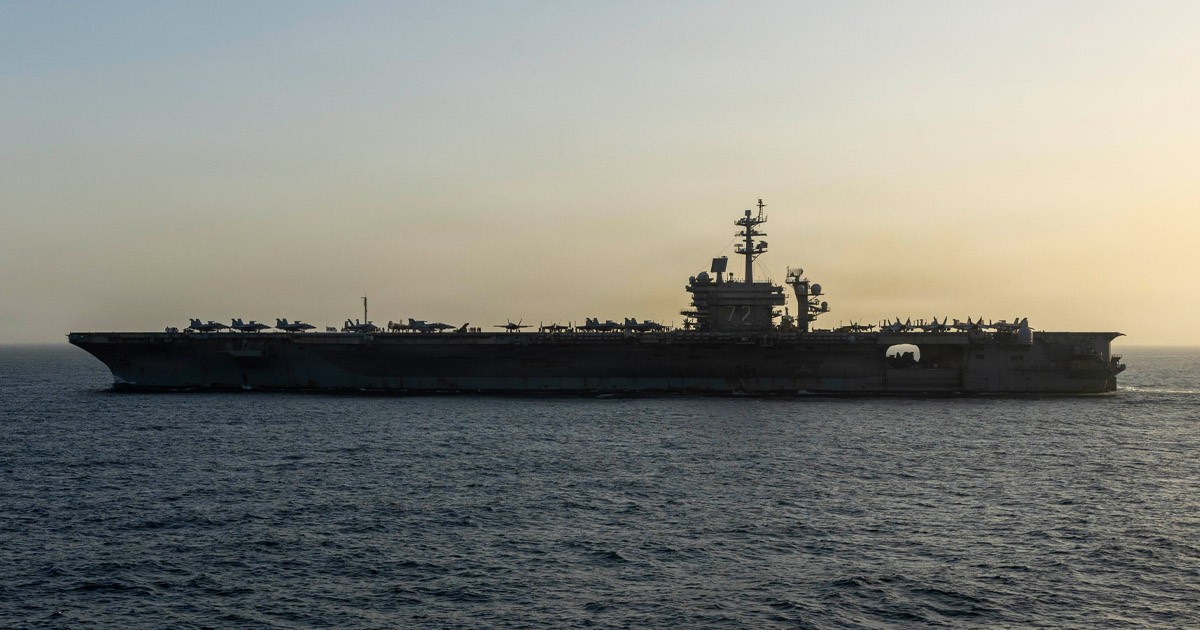
The USS Abraham Lincoln is one of the United States Navy’s Nimitz-class aircraft carriers, designed to support a wide range of military operations around the world. Carrying thousands of sailors, Marines, aircraft, and support personnel, the vessel functions as a floating city capable of operating for extended periods.
The carrier’s current deployment began in November 2025 and has taken the ship through strategically important regions, including the Middle East and nearby waterways. Such deployments are intended to maintain security, support allied operations, and ensure readiness in areas of global importance.
While long deployments are not unusual in naval history, the duration of this mission has drawn attention from military families, journalists, and elected officials.
Families Voice Concerns About Life at Sea
As the deployment continued into its later stages, family members began sharing concerns about the challenges their loved ones were facing.
Some spouses reported receiving messages describing exhaustion, frustration, and the emotional strain associated with spending many months away from home. According to several publicly reported accounts, sailors expressed concerns about the cumulative effects of the extended deployment rather than any single event.
Military families often serve as an important support network for service members. Through phone calls, emails, and messages, they gain insight into daily life aboard deployed vessels. As a result, family members frequently become advocates when they believe concerns need greater attention.
The reports surrounding the USS Abraham Lincoln illustrate how modern communication allows families to share experiences that may previously have remained largely unseen by the public.
Reports About Food and Supplies
Among the concerns raised publicly were claims related to food quality and supply availability.
Some sailors reportedly described limited access to fresh produce due to the logistical challenges of resupplying a ship operating far from home ports. According to messages shared by family members, fresh fruits and vegetables were sometimes difficult to maintain during extended periods at sea.
Maintaining food supplies aboard a carrier presents unique challenges. Ships must carefully manage storage space, refrigeration capacity, and delivery schedules while feeding thousands of people every day.
Several reports also included concerns about the quality of certain food items received during resupply operations. However, Navy officials have maintained that healthy meal options remain available aboard the ship.
The differing accounts have contributed to ongoing public discussion about the realities of supporting large crews during lengthy deployments.
Living Conditions Under Scrutiny
In addition to concerns about food, some family members reported receiving messages describing maintenance issues involving shipboard facilities.
Claims shared publicly included references to restroom repairs, sanitation challenges, and other quality-of-life concerns. Living aboard an aircraft carrier requires sharing limited space with thousands of people, making maintenance and infrastructure essential to daily operations.
Naval vessels routinely undergo maintenance while deployed, but extended missions can place additional demands on equipment and facilities. As a result, discussions about living conditions often become part of broader conversations about deployment readiness and crew welfare.
Navy representatives have stated that the ship continues to provide access to essential services and that maintenance teams work continuously to address operational needs.
The Importance of Mental Health During Extended Deployments
Perhaps the most significant aspect of the current discussion involves mental health and emotional well-being.
Military service can be rewarding, but it can also be demanding. Extended separations from family, limited privacy, demanding work schedules, and operational responsibilities can create substantial stress.
Mental health experts have long emphasized the importance of providing support resources during deployments. Counseling services, chaplains, peer support programs, and leadership engagement all play important roles in helping service members navigate challenges.
Several families connected to the USS Abraham Lincoln have expressed concerns that the prolonged deployment may be contributing to emotional strain among some sailors. These concerns have prompted calls for continued attention to support systems available aboard the vessel.
At the same time, Navy leaders have emphasized that mental health resources remain available and that personnel are encouraged to seek assistance whenever needed.
Public Debate Over the Reports
The reports surrounding the USS Abraham Lincoln have generated significant public debate.
Some government officials and military family advocates argue that the concerns deserve thorough examination. They contend that service members operating under demanding conditions should receive the highest possible standard of support and care.
Others caution against drawing conclusions from individual accounts alone, noting that large organizations often contain a wide range of experiences and perspectives.
This difference in interpretation has become a central aspect of the broader discussion. Supporters of further investigation argue that even isolated concerns warrant attention, while officials emphasize the importance of relying on verified information and comprehensive assessments.
The result is a conversation that reflects the complexity of evaluating conditions aboard a vessel carrying thousands of people.

Statements From Defense Leaders
Senior defense officials have publicly addressed the reports.
Defense Secretary Pete Hegseth rejected claims suggesting widespread problems aboard the carrier, describing some of the allegations as inaccurate. He emphasized his appreciation for sailors serving under challenging conditions and stated that military leadership remains committed to supporting deployed personnel.
According to his remarks, commanders work continuously to ensure crews receive the resources necessary to complete their missions effectively.
Statements from defense leadership highlight a broader challenge often faced by military organizations: balancing operational requirements with quality-of-life concerns while maintaining readiness.
Congressional Attention and Oversight
The reports have also attracted the attention of members of Congress.
Representative Mike Levin publicly criticized what he described as insufficient attention to certain concerns raised by military families. He argued that service members deserve reliable access to basic necessities and adequate living conditions during extended deployments.
Congressional oversight has historically played an important role in military accountability. Lawmakers frequently review conditions affecting service members, evaluate readiness issues, and advocate for improvements when concerns arise.
The discussion surrounding the USS Abraham Lincoln demonstrates how military deployments can become subjects of broader public policy conversations.
Challenges Unique to Extended Naval Deployments
Life aboard a deployed aircraft carrier differs significantly from life on land.
Crew members often work long hours while operating in confined environments. Access to family, recreation, and personal space is naturally limited. Even routine activities such as sleeping, exercising, and communicating with loved ones require adaptation.
Extended deployments can amplify these challenges. The longer a deployment lasts, the more important support systems become.
Military organizations around the world continue studying ways to improve quality of life for personnel serving in demanding environments. Advances in communication technology, mental health programs, and logistical planning have helped address some challenges, but extended deployments remain inherently complex.
Why the Story Resonates With the Public
The attention surrounding the USS Abraham Lincoln extends beyond military circles because it highlights universal themes.
Many people can relate to the experience of working under pressure, spending time away from loved ones, or managing stress during difficult circumstances. The reports remind the public that behind every military mission are individuals balancing professional responsibilities with personal challenges.
Stories involving service members often generate strong interest because they combine national security issues with deeply human experiences. Discussions about food, living conditions, and emotional well-being resonate because they focus on everyday realities rather than abstract policy debates.
Looking Ahead
As the USS Abraham Lincoln continues its deployment, questions surrounding crew welfare are likely to remain part of the public conversation.
Some concerns may ultimately be resolved through official reviews, additional reporting, or direct communication from military leadership. Other issues may contribute to broader discussions about how future deployments are planned and supported.
What remains clear is that military readiness depends not only on equipment and strategy but also on the well-being of the people carrying out the mission.
Conclusion
The ongoing discussion surrounding the USS Abraham Lincoln reflects the complex realities of modern military deployments. Reports from family members, statements from government officials, and responses from Navy leadership present differing perspectives on conditions aboard the ship.
While some claims remain disputed, the conversation has highlighted important topics including living conditions, logistical challenges, mental health support, and the experiences of service members serving far from home.
Ultimately, the story serves as a reminder that military operations involve more than ships, aircraft, and missions. They also involve thousands of individuals whose resilience, dedication, and well-being remain essential to every operation. As public attention continues, many observers hope that the discussion will contribute to ongoing efforts to support those who serve during lengthy deployments.
Sources
- U.S. Navy Official Website – https://www.navy.mil
- Forbes – Reporting on USS Abraham Lincoln deployment and public statements
- U.S. Department of Defense – https://www.defense.gov
- Congressional statements and public records regarding military oversight
- Military OneSource Mental Health Resources – https://www.militaryonesource.mil
- RAND Corporation Research on Military Readiness and Personnel Well-Being – https://www.rand.org
- Naval History and Heritage Command – https://www.history.navy.mil