Many people are constantly searching for simple, effective ways to create a peaceful and harmonious living environment. The use of common household ingredients—water, vinegar, and salt—placed together in a glass is gaining popularity as a method to help cleanse home energy and promote a sense of calm and positivity. While this practice is frequently associated with traditional beliefs or spiritual customs, it incorporates elements with real-world sanitizing and cleaning properties recognized by science. This article examines the origins, functions, and perspectives surrounding this technique, providing readers with a complete and balanced overview.
Understanding Negative Energy at Home
Before exploring the remedy, it is important to understand the idea of “negative energy” as it is generally perceived in the context of home and well-being. Negative energy refers to an atmosphere or feeling within a space that is often associated with tension, sadness, discomfort, or a general lack of tranquility. While scientific consensus on the literal existence of negative energy is limited, psychosocial factors such as stress, conflict, and environmental quality can have real impacts on how we experience spaces.
Common Signs of Negative Energy
People who subscribe to the negative energy concept often report certain signs that may indicate a need to cleanse their environment. Here are some of the most frequently noted:
- Recurring arguments, tension, or unrest among residents
- A persistent atmosphere of sadness, loneliness, or anxiety
- Unexplained physical or mental fatigue or frequent health complaints with no clear medical cause
- Restless behavior or discomfort in pets
- Plants that wilt or appear unhealthy despite proper care
- Occasional streaks of misfortune or persistent obstacles in daily life
If you recognize these signs, you may be interested in trying the glass with water, vinegar, and salt remedy to help foster a renewed, positive energy in your space.
Origins and Cultural Background of the Glass Remedy
The concept of cleansing spaces to remove unseen negative forces or energies is found in many cultures worldwide. From the burning of sage in Native American ceremonies to the strategic use of feng shui in Eastern traditions, people have long believed that certain elements or rituals can help clear away negativity and restore balance. The combination of water, vinegar, and salt is an example of a folk practice that blends household chemistry with symbolism.
Salt has traditionally represented purity, protection, and preservation across various societies. Vinegar, with its distinctive cleansing acidity, has symbolized transformation and purification. Water, the universal solvent, often stands for cleansing and renewal. When brought together in spiritual or folk remedies, these elements are thought to attract, absorb, or neutralize negativity.
The Water, Vinegar, and Salt Glass: A Step-by-Step Guide
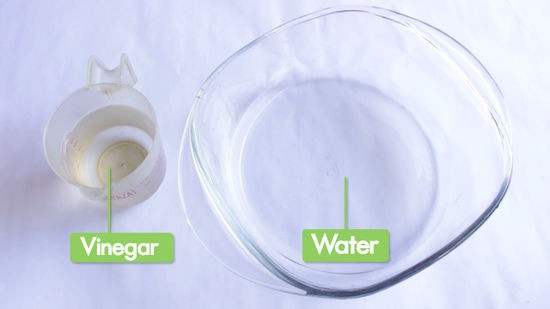
Adopting this technique is straightforward and does not require special equipment or deep knowledge of spiritual practices. Here’s how you can use this method at home:
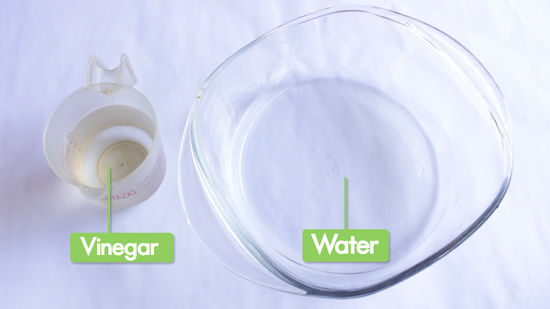
- Choose a clear, clean glass to ensure visibility of any changes.
- Add sea salt or coarse salt to fill about one-third of the glass.
- Pour in clean water to fill the next third.
- Add vinegar (white or apple cider vinegar is commonly used) to top up the remaining third.
Do not stir or mix the ingredients. Allow the salt to settle naturally at the bottom of the glass. Place the glass in an area of your home where you feel energy is most stagnant, tense, or uncomfortable. The mixture should remain undisturbed for a full 24 hours.
Interpreting the Results
After the mixture has sat for a day, examine the contents of the glass. Folk tradition provides two main interpretations:
- If the solution appears as it was when first set up—clean, with salt resting on the bottom—then it is believed there is no significant negative energy present in that space.
- If you notice cloudy water, bubbles, strange patterns, or the salt appears to have risen or formed unusual structures, it may suggest that negative energy has been absorbed or revealed.
If the latter occurs, it is customary to discard the contents (preferably down the drain, rather than in your garden or yard), wash the glass thoroughly, and repeat the process until the water remains unchanged after 24 hours. Many adherents recommend supplementing this ritual with calming activities, such as meditation or prayer, to further promote a peaceful home environment.
The Scientific Perspective: Salt and Vinegar as Natural Purifiers
Although the cleansing glass is primarily discussed in the context of spiritual or folk traditions, both salt and vinegar have well-documented scientific cleaning properties. Salt is a mild abrasive and natural desiccant, making it effective for scrubbing and absorbing moisture. Vinegar, composed primarily of acetic acid, is renowned for its ability to dissolve mineral deposits, cut through grease, and neutralize odors. Together, water, salt, and vinegar are frequently used as an environmentally friendly cleaning solution for surfaces, floors, and even for odor removal in refrigerators.
However, while these ingredients are effective at physically cleaning a space, there is no robust scientific evidence that they can alter metaphysical energies or directly affect mood or fortune. Still, the act of intentionally cleaning or caring for one’s space can have positive psychological effects by helping to reduce stress, create structure, and foster a feeling of agency and control over one’s environment.
Expert Views on Space Cleansing Rituals
Psychologists and wellness experts often agree that rituals—regardless of their specific cultural or spiritual origins—can contribute to an improved sense of well-being. According to the Mayo Clinic, maintaining a clean, organized, and uncluttered home may reduce anxiety and promote better mental health. Rituals like the glass with water, vinegar, and salt provide a structured, mindful approach to addressing feelings of discomfort or unease within one’s living environment. Even if one does not subscribe to beliefs about negative energy, simply engaging in such routines can serve as a symbolic reset, providing comfort and renewed motivation.
In addition, environmental experts emphasize the value of good ventilation, natural light, regular cleaning, and the presence of plants for improving indoor air quality and contributing to a healthier, more positive home atmosphere.
Personalizing Your Cleansing Approach
If you choose to try this remedy, customizing the ritual to suit your personal beliefs and home environment can enhance its value. Some people set an intention or affirmation—for example, “May this space be peaceful and welcoming to all who enter”—before placing the glass. Others integrate the cleansing with activities such as reading, journaling, or listening to calming music.
Additional tips for making the most of this practice include:
- Repeating the process in different rooms or areas of your home to ensure a comprehensive cleanse
- Regularly replacing and discarding the mixture for ongoing freshness
- Pairing the ritual with stress-relieving methods such as breathing exercises or gentle stretching
- Keeping your home tidy and clutter-free in addition to using the remedy
Societal and International Perspectives
The home-cleansing glass technique is not bound to a single country or culture. Variations of this practice appear in numerous forms across Europe, Asia, and the Americas, all reflecting humanity’s ongoing desire to create supportive, nurturing environments. In many cultures, the New Year or significant life events—such as moving to a new house or recovering from illness—are marked by rituals that aim to eliminate remnants of past difficulties and encourage good fortune.
On an international level, there is a growing interest in integrating evidence-based wellness practices with traditional approaches. While cultural rituals are respected for their heritage and psychological value, the scientific community continues to study the influence of environment on mental health and wellbeing, emphasizing the importance of physical cleanliness, fresh air, and regular self-care.
The Placebo Effect and the Power of Intention
Some experts highlight the role of the placebo effect in rituals like the water, vinegar, and salt glass. The placebo effect arises when the belief in the efficacy of a practice causes genuine improvements in mood or wellbeing, regardless of any direct physical mechanism. Setting intentions—consciously or subconsciously—can foster a shift in perception, making individuals more aware of positive changes and less focused on aspects that may bring discomfort or anxiety.
Whether attributed to physical, psychological, or spiritual factors, many people report a renewed sense of calm and optimism after engaging in space-clearing practices, suggesting that intention itself is a potent tool for enhancing personal spaces.
Conclusion: Balancing Belief and Wellness Practices
The use of a glass with water, vinegar, and salt as a home-cleansing ritual marries elements of tradition with the practical cleaning properties of everyday ingredients. While scientific evidence supporting its metaphysical claims is limited, the remedy is rooted in centuries-old customs that reflect a genuine human desire to foster peace, health, and safety at home. If practiced safely and with respect for household members, this simple ritual can play a meaningful role in creating a more mindful living space. As with all wellness practices, individual experiences may vary, but the potential for increased comfort and tranquility is a welcome prospect for many households worldwide.
Article by: 
Bryan Seal is an American novelist and Veteran of the United States Marine Corps. With a diverse background including work as a deckhand, commercial fisherman, divemaster, taxi driver, construction manager, and over-the-road truck driver, his varied experiences inform his perspectives on home and well-being.
Sources
- BBC – Health
- Mayo Clinic – Mental Health
- CDC – Healthy Homes
- Reuters – Science
- Al Jazeera – Lifestyle
- The Guardian – Life & Style
Disclaimer: This content is intended for entertainment purposes only and is not based on real events.