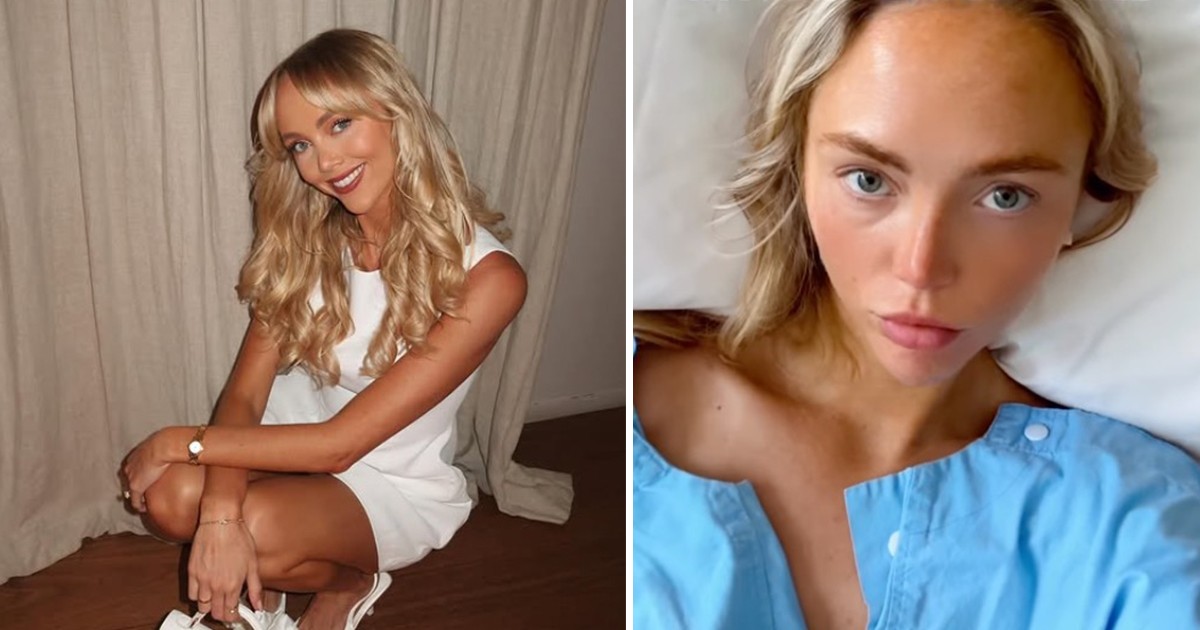
Australian OnlyFans Creator Annie Knight Hospitalized After Attempting Record-Breaking Group Encounter

Introduction: The Rise of OnlyFans and Viral Stunts
OnlyFans has shifted dramatically in public perception since its launch, evolving from a general content platform to being most commonly recognized for its adult entertainment creators. The platform has encouraged not just the sharing of exclusive content, but also a culture of viral challenges as creators seek to distinguish themselves in a competitive digital landscape. This phenomenon came into global focus following a headline-making event involving Australian creator Annie Knight, who recently gained public attention after her daring and controversial attempt to break a record with a group sexual encounter. This article examines the facts of the incident, explores the societal and legal context, discusses the health implications, delves into the responses, and provides a nuanced look at the broader implications for both creators and digital society.
Who Is Annie Knight?
Annie Knight is a 26-year-old content creator from Australia known for her work on OnlyFans and social media platforms. With a background as a digital entrepreneur and podcaster, Knight has garnered a significant following, gaining recognition for her candid approach to adult content and discussions around sexuality. She is no stranger to controversy, having previously addressed issues ranging from online harassment to the stigma of working in adult entertainment.
The Attempted Record: The Details
In a recent widely-publicized event, Annie Knight sought to challenge known records by organizing an encounter involving 583 men in a span of six hours. The occurrence was framed both as a personal milestone and as a public spectacle designed to galvanize interest and discussion. According to Knight, interest in participation was overwhelming, with some 2,000 men applying, while logistical planning involved renting a venue, setting up registration times, coordinating multiple groups, and arranging for security, anonymity (via provided balaclavas), and the use of protection (condoms supplied to participants).
The event, which reportedly cost upwards of $10,000 for logistics, security, venue, and filming, was promoted and covered by Knight herself on her social media platforms. In keeping with laws and OnlyFans’ community guidelines, she took steps to ensure participants’ anonymity and basic safety. Knight expressed satisfaction with the attention the stunt drew, citing feelings of empowerment and happiness.
Health Implications and Hospitalization
Following the event, Annie Knight publicly shared that she needed hospitalization due to excessive vaginal bleeding. An existing diagnosis of endometriosis—a medical condition where tissue similar to the lining of the uterus grows outside the uterine cavity—may have contributed to her vulnerability to injury. Knight was candid in interviews and social media posts about experiencing pain, soreness, and a small injury. She acknowledged the physical toll, noting, “It was definitely a bit raw down there and I did get a small cut. I’ll definitely survive but it is quite painful and unpleasant at the moment.”
Medical professionals emphasize that extreme physical challenges, especially those involving repetitive activity of such an intimate nature, can pose health risks including tears, bleeding, infection, and emotional distress. Endometriosis in particular can exacerbate symptoms and complicate recovery from genital injuries. Knight confirmed she received medical attention to address her symptoms, stressing the importance of seeking care when experiencing unusual or severe bleeding.
Logistics, Participant Challenges, and Event Management
The event was not without logistical complications. Knight explained that most groups consisted of about ten men at a time, and breaks were planned every hour to allow for rest and safety checks. She shared that a significant number of participants struggled to perform due to nerves or other factors, noting, “Sometimes we’d have a group of 10 and eight of them were really struggling to get it up.” According to Knight, performance anxiety and the unusual nature of the event may have contributed to such issues. She stated that participants who were able to perform immediately were sometimes given extra time.
Societal and Public Reactions
Public responses to Knight’s actions reflected a broad spectrum of opinion. On one hand, some voiced respect for her autonomy and for pushing boundaries in the adult industry. On the other, significant criticism arose regarding the nature of the event, with some calling it “disturbing,” “exploitative,” and “degrading.” Critics expressed concern for both Knight and the male participants, questioning the ethical and psychological impact of such stunts in the context of mass entertainment and social media virality.
Knight expected the backlash, stating in interviews that negative reactions were inevitable, but maintained her decision was made autonomously and with her fiancé’s support. She also defended the participating men, expressing concern for the stigma they faced online: “It really upsets me when I see people coming after the guys. These men just want to have sex. God forbid, a man has sex. And I’m providing a service for free.”
Ethical and Legal Considerations
Events of this nature exist in a legal and ethical grey area. As with all publicized adult content, issues of consent, privacy, protection from exploitation, and adherence to local laws are paramount. In Australia, sex work laws vary by state, but participants in filmed sexual events must provide explicit, informed consent, and maintain anonymity and safety. Public health experts reiterate the necessity of proper protection to prevent the transmission of sexually transmitted infections (STIs). Knight’s team provided condoms and ensured the use of balaclavas for anonymity, which aligns with best practices in harm reduction.
In the digital era, creators frequently test the limits of what is permissible online. Most platforms including OnlyFans have strict community guidelines regarding explicit content, necessitating age verification and the consent of all involved. There is also a growing focus on the mental well-being of creators engaging in high-stakes, high-visibility content driven by virality.
The Role of Social Media and the Creator Economy
Knight’s stunt is indicative of broader changes in the content creation economy, where algorithms and competition for visibility drive increasingly extreme or attention-grabbing content. Social media platforms can amplify such events, sometimes rewarding them with wider reach, but also subjecting creators to waves of both support and criticism.
Experts in media studies point to the complex dynamics where personal agency, monetization, and social validation intersect. While such acts may bring fame and financial incentives, they can also raise questions about the pressures creators face to continually escalate their output. Many in the adult industry vocalize the need for better resources around mental and sexual health, as well as dialogue about sustainable and safe creator practices.
International and Industry Reactions
News of the event reached international media, sparking online debates about personal freedom, the commercialization of sexuality, and the responsibilties of both creators and platforms. Some in the global sex work advocacy community called for a nuanced perspective, highlighting the importance of agency, empowerment, and consent. Others voiced concern regarding normalization of risk-taking for viral fame and its potential impact on vulnerable individuals.
In the adult industry, the event reignited discussions about setting personal limits and the importance of regular health checks. Legal experts and sex worker advocates underscored the need for robust safety protocols and psychological support for those working in high-pressure, high-visibility roles.
Annie Knight’s Response and Future Plans
Undeterred by the criticism or the aftermath of hospitalization, Annie Knight publicly stated she had no regrets about the event. She emphasized that her participation was for personal reasons as well as for content creation, and that she hopes to continue with similar events in the future, with the full support of her fiancé. Knight’s experience illustrates the ongoing dialogue about bodily autonomy, content agency, and the ramifications of going viral in the digital economy.
Conclusion: What the Incident Reveals About Modern Digital Culture
The story of Annie Knight’s record attempt offers insight into the evolving dynamics of online platforms, the adult industry, and influencer culture. It highlights the complex interplay between agency, health, public scrutiny, and the drive for viral fame. As digital spaces further blur personal and public boundaries, these incidents prompt essential conversations on the need for robust support networks and ethical frameworks to safeguard the well-being of content creators. For audiences, they underline the need for empathetic engagement and nuanced understanding of the motivations and challenges facing those who build their careers and identities on the internet.
Sources
Disclaimer: This content is intended for entertainment purposes only and is not based on real events.