The Extraordinary Jabuticabeira: Brazil’s Unique and Beautiful Grape Tree

The natural world abounds with remarkable diversity, and few examples encapsulate this as vividly as the plants and flowers found across different continents. From rare rock formations to the vibrant colors and scents of flora, nature’s wonders never cease to amaze those who travel or explore these environments. For many, traveling to new places offers the ideal opportunity to encounter unique plants, contributing to memorable experiences and broadening understanding of the planet’s biodiversity.
An Introduction to the Jabuticabeira Tree
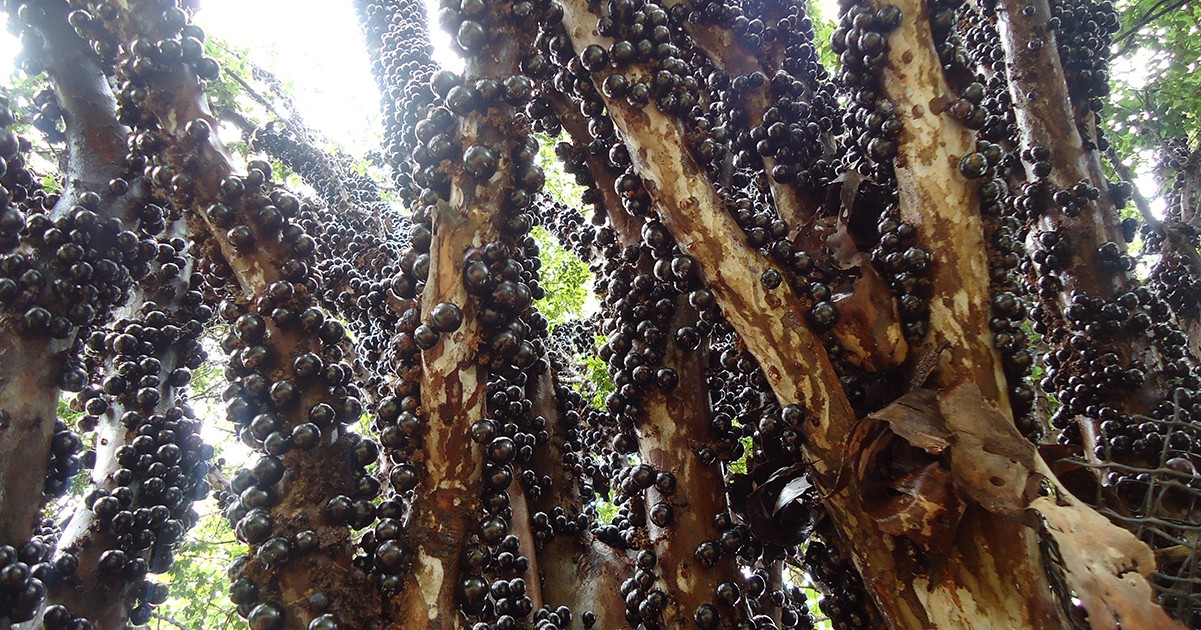
One such marvel is the jabuticabeira tree, also known as the Brazilian Grape Tree. Native to Brazil, this tree stands out immediately due to its unconventional appearance. Whereas most fruiting trees bear their harvest among branches and leaves, the jabuticabeira displays its fruit directly on its trunk and larger branches, giving it a peculiar and eye-catching look. This feature often surprises first-time observers, with the dark, shining fruit seemingly clustered on the bark in dramatic contrast to the usual foliage.
Unique Botanical Characteristics
The jabuticabeira (Myrciaria cauliflora) is a member of the Myrtaceae family. The phenomenon of cauliflory, whereby flowers and fruits grow directly from the trunk or main stems, is rare but not unheard of in the plant kingdom, especially in tropical climates. However, few species display this adaptation as spectacularly as the jabuticabeira, making it a favorite among horticulturists, naturalists, and curious travelers alike.
The fruit itself is small, round, and typically reaches about an inch in diameter. Deep purple to almost black when mature, the jabuticaba fruit bears a resemblance to grapes, giving the tree its popular English name. Inside, the flesh is white to pinkish and juicy, offering a sweet and mildly acidic taste that has made it popular in its native regions.
History and Origin
Originating in the Atlantic Forest regions of Brazil, the jabuticabeira is well-adapted to the country’s subtropical and tropical climates. The tree has been cultivated for centuries, and references to its fruit and use can be found in Brazilian literature and folklore. Its popularity has also extended to neighboring South American countries with compatible climates, and there has been growing interest in cultivating the plant in subtropical areas worldwide, particularly in warm, humid climates where the tree thrives best.
The Fascination of the Jabuticabeira’s Fruit
What sets the jabuticabeira apart visually is undoubtedly the fruiting pattern. Unlike familiar fruit trees such as apples or oranges, where fruit is hidden among leaves, the jabuticaba’s purplish-black fruit adheres directly to the trunk and larger branches. This distinctive appearance has been described as otherworldly or even as if the tree is adorned with large, glossy gemstones. Some liken it to the surface of an alien tree, while others appreciate it as a striking display of nature’s inventiveness. However, there is no cause for alarm; the clusters are natural, healthy fruits integral to the tree’s reproduction cycle.
Nutritional and Health Benefits of Jabuticaba
Beyond its striking appearance, jabuticaba fruit offers considerable nutritional and potential health benefits. Traditionally used in South American folk medicine, the fruit has been valued for its rich content of vitamins, minerals, and bioactive compounds. Notably, jabuticaba is an abundant source of vitamin C, potassium, calcium, and magnesium, as well as a range of antioxidants, including anthocyanins, which give the fruit its deep color.
Modern scientific research has corroborated several of the health claims associated with jabuticaba. Studies published in peer-reviewed journals have found that extracts from the fruit possess strong antioxidant activity, helping the body combat oxidative stress—a factor linked to aging and various chronic diseases. Additionally, the fruit’s high fiber content can contribute to healthy digestion and may help regulate blood sugar and cholesterol levels.
Traditional and Modern Medicinal Uses
In Brazilian folk medicine, jabuticaba has long been used to address a variety of ailments. Some of the reported uses include:
- Respiratory health: Infusions made from the bark or fruit are believed to help alleviate symptoms of asthma and bronchitis by opening bronchial airways.
- Digestive support: The fruit is considered beneficial for addressing diarrhea and supporting intestinal health due to its fiber and bioactive compounds.
- Anti-inflammatory activity: The presence of polyphenols and anthocyanins contributes to the fruit’s anti-inflammatory potential, which is being studied for broader applications in human health.
While traditional uses are well-documented, researchers note that more rigorous clinical studies are needed to fully substantiate some folk claims. However, the consensus among nutritionists and health experts is that incorporating jabuticaba into the diet can contribute to overall wellness, particularly in terms of antioxidant intake and digestive health.
Culinary Uses and Cultural Importance
The jabuticaba is not only enjoyed raw but is also widely used in Brazilian cuisine. The fruit’s sweet-tart flavor makes it ideal for a range of culinary applications:
- Jams and Jellies: Jabuticaba is commonly made into preserves, capturing its unique flavor profile and prolonging its shelf life.
- Juices: The fruit is juiced to produce a refreshing beverage that is especially popular during the harvest season in Brazil.
- Wine and Liqueurs: Similar to grapes, jabuticaba is fermented to create wines and liqueurs. Its high sugar content makes it suitable for these processes, and such beverages have become regional specialties.
- Desserts: Jabuticaba is featured in pies, cakes, and ice creams, often as a showcase for its color and distinctive flavor.
In local markets and festivals, the arrival of jabuticaba season is greeted with enthusiasm. Its sale at roadside stands and in local dishes reflects its importance not only as a nutritional fruit but also as a symbol of Brazilian biodiversity and cultural heritage.

Growing and Caring for the Jabuticabeira
For those interested in horticulture, the jabuticabeira presents both challenges and rewards. The tree grows at a moderate rate and can become an attractive ornamental specimen in suitable climates. It prefers rich, well-draining soil with consistent moisture and partial to full sunlight. Typically, the jabuticabeira takes several years—sometimes up to a decade or more—to reach maturity and produce fruit when grown from seed. However, grafted specimens may bear fruit more quickly.
One notable quality of the jabuticabeira is its resilience; the tree is relatively pest-resistant and can withstand occasional flooding, a trait inherited from its native riparian habitats. However, it does best in climates without long periods of drought or hard frost. Its slow growth and unique fruiting pattern make it a favorite with collectors and those seeking an unusual showpiece for gardens and conservatories.
Global Interest and Societal Impact
While the jabuticabeira is most prominent in Brazil, interest in the species has spread to other regions with compatible climates, including the southern United States, southeast Asia, and Australia. Community groups and botanical gardens in these areas often exchange information about propagation techniques and pest management to help establish healthy groves outside of its native range. For diasporic Brazilian communities abroad, the cultivation and consumption of jabuticaba serve as a connection to home and cultural identity, fostering community and cross-generational sharing of traditions.
Internationally, the jabuticabeira has also attracted attention from chefs exploring novel fruit flavors and from health advocates interested in the nutritional potential of lesser-known fruits.
Expert Views on the Jabuticabeira
Experts in botany and nutrition are intrigued by the jabuticabeira’s unique trait of cauliflory and its adaptability. Dr. Hélio Rasera, a Brazilian agronomist, notes that the tree’s evolutionary path may offer clues into tropical plant development and survival strategies. Nutritionists from the University of São Paulo highlight the fruit’s impressive antioxidant profile, emphasizing the growing body of evidence linking such fruits to disease prevention.
While it remains a niche crop outside its native area, agriculture researchers believe that the jabuticaba has the potential to be developed into a specialty fruit for broader export, especially as consumer demand rises for exotic fruits with health benefits.
Societal and Sustainability Considerations
The jabuticabeira also plays a role in local ecosystems, providing food for native wildlife and supporting biodiversity. The increased popularity of unique indigenous fruits has encouraged more sustainable growing practices, especially in Brazil’s threatened Atlantic Forest, an area faced with deforestation and habitat loss. Sustainable cultivation of species like jabuticabeira helps promote forest stewardship and raises awareness about biodiversity conservation.
From the perspective of eco-tourism, the jabuticabeira is often included in tours and educational programs focused on Brazil’s natural history, providing both an economic and conservation incentive to preserve native flora.
Conclusion: A Symbol of Diversity and Health
The jabuticabeira stands as a remarkable testament to nature’s ingenuity and diversity. Its unusual fruiting habit, nutritional richness, and strong cultural ties make it a source of pride in Brazil and an object of fascination worldwide. Whether enjoyed for its unique taste, admired for its exotic beauty, or employed as a subject for scientific investigation, the jabuticaba continues to capture the imagination of people everywhere.
If you’ve never encountered this fascinating tree and its gorgeous fruit before, perhaps you might find inspiration to look for it during your travels or explore ways to sample jabuticaba products available in specialty markets. As global interest in lesser-known superfruits grows, the jabuticabeira may gain the recognition it richly deserves—both as a symbol of Brazilian heritage and as a contributor to a healthy diet.
Sources
Disclaimer: This content is intended for entertainment purposes only and is not based on real events.