
Understanding Cancer’s Subtle Onset
Cancer is a term describing a large group of diseases characterized by abnormal cell growth that can invade or spread to other parts of the body. While public perception often imagines cancer as a sudden and dramatic event, in reality, most forms of cancer develop gradually, with symptoms that may be overlooked or mistaken for less serious conditions. Early warnings can be subtle, manifesting as small physical changes or persistent discomforts that might not initially seem cause for alarm.
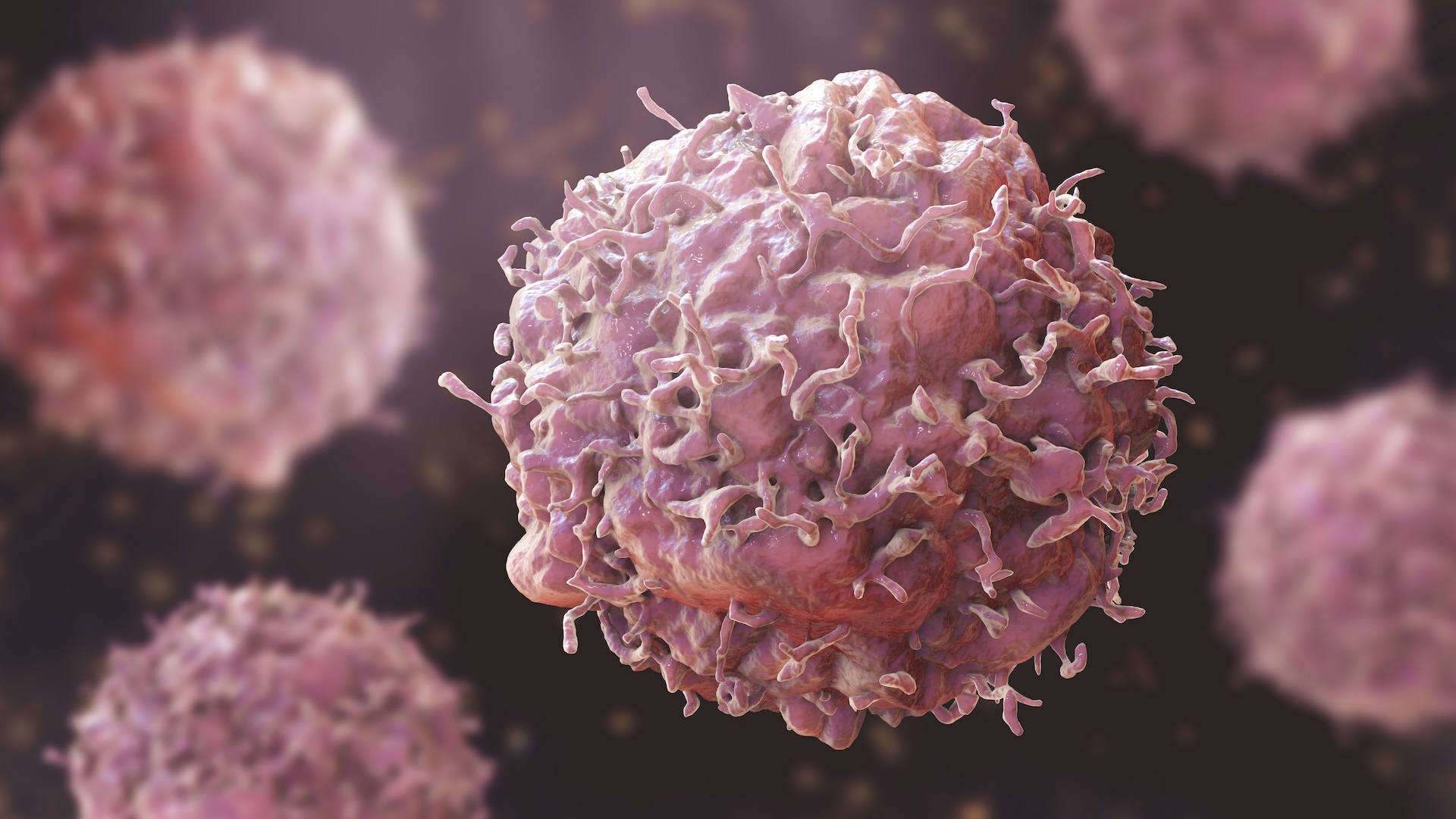
Key Early Warning Signs of Cancer
Recognizing the early warning signs of cancer is vital for timely diagnosis and improved outcomes. Medical experts emphasize that although these signs do not always indicate cancer, ignoring them can mean missing the critical window for early intervention. Common early warning signs include:
- Unexplained Weight Loss: Losing weight without trying, particularly if it amounts to 10 pounds or more, may be an early indicator of several cancers, such as those affecting the pancreas, stomach, esophagus, or lungs.
- Persistent Fatigue: Fatigue that does not improve with rest and affects daily activities may signal underlying cancer, particularly leukemia and some colon or stomach cancers.
- Pain Without Obvious Cause: Persistent pain, especially if it is new or worsening, can be an early sign of various types of cancer depending on the location, including bone, testicular, or ovarian cancers.
- Unusual Bleeding or Discharge: Blood in the stool or urine, vaginal bleeding outside regular menstruation, or abnormal discharge from any body opening warrants prompt investigation.
- Stubborn Coughs or Voice Changes: A cough that does not resolve after several weeks or noticeable hoarseness could indicate lung, throat, or laryngeal cancers.
- Changes in Bowel or Bladder Habits: Constipation, diarrhea, changes in stool color or consistency, or changes in urinary frequency or flow that remain unresolved may be a red flag for cancers of the colon, bladder, or prostate.
- New or Growing Lump: Any lump or thickening, especially in the breast, testicle, lymph nodes, or soft tissues, should be evaluated by a healthcare professional even if it is painless.
- Persistent Indigestion or Difficulty Swallowing: Ongoing digestive issues or trouble with swallowing could be symptoms of cancers affecting the digestive tract.
It is important to note that these symptoms can be caused by conditions other than cancer, but it is crucial not to dismiss changes that persist beyond a few weeks.

Why Early Detection Makes a Difference
Early detection of cancer dramatically improves the chances of successful treatment and long-term survival. According to data from the World Health Organization (WHO) and other leading health organizations, cancers identified at an early stage are more likely to be treated effectively, often with less aggressive therapies and improved quality of life. For instance, the five-year survival rate for localized breast cancer exceeds 90%, while late-stage diagnosis can reduce this figure substantially.
Screening tests—such as mammography for breast cancer, colonoscopy for colorectal cancer, Pap smears for cervical cancer, and low-dose CT for high-risk lung cancer patients—have played a critical role in improving early detection rates. In addition to routine screenings, being aware of and acting upon warning signs plays a direct role in catching cancers that may not be covered by existing screening programs.
The Importance of Listening to Your Body
Many people hesitate to seek medical advice, attributing their symptoms to stress, aging, or minor illnesses, and sometimes turning to internet searches for reassurance rather than arranging a medical consultation. While it is natural to wish for reassurance, the danger lies in minimizing or ignoring persistent changes in one’s body. Experts recommend that if a symptom lasts more than two weeks or does not respond to normal measures (such as rest for fatigue or dietary changes for digestive complaints), it is time to consult a healthcare professional.
Listening to your body is an act of self-care, not panic. In health, as in many areas of life, acting on early warning signs—however slight they may seem—can make the difference between a manageable disease and a crisis diagnosis. Healthcare providers encourage patients to advocate for themselves, proactively ask questions, and, if necessary, request appropriate tests to rule out or confirm a diagnosis.
Expert Perspectives on Early Cancer Symptoms
Oncologists and primary care physicians worldwide agree on the importance of not dismissing symptoms that linger without explanation. Dr. Otis Brawley, a leading cancer expert and former Chief Medical Officer at the American Cancer Society, has emphasized that “most of the time, these symptoms are caused by something other than cancer, but not always. The important thing is not to ignore them.”
Leading health organizations consistently update guidelines urging individuals to take ownership of their health. Advocacy groups like Cancer Research UK and the American Cancer Society also provide resources for recognizing symptoms and understanding when to seek medical attention.
Global Initiatives and Awareness Campaigns
Cancer awareness campaigns have become a global movement, with World Cancer Day (February 4) fostering international collaboration on education, early detection strategies, and patient empowerment. Public health campaigns have been central to increasing awareness about recognizable signs and reducing stigma around cancer screening and diagnosis.
Many countries have developed national screening programs that target common cancers, offering regular checkups for individuals based on age, sex, family history, and other risk factors. Public health authorities stress that these programs should be complemented by individual vigilance regarding bodily changes and symptoms.
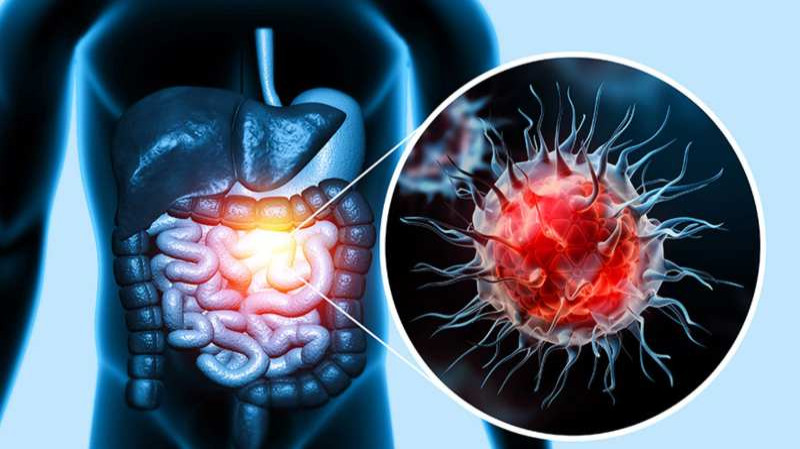
Barriers to Early Diagnosis
Despite ongoing awareness efforts, several barriers can delay early cancer diagnosis. These include fears of receiving bad news, cultural stigmas, lack of health insurance or access to medical services, and the misconception that cancer is always untreatable. Overcoming these challenges involves both systemic and personal action. Health systems must improve access and reduce inequalities, while individuals are encouraged to seek timely care and trust their instincts regarding their own health.
Societal stigma, fear of medical costs, and even the normalization of chronic symptoms can hinder early diagnosis. International organizations are working to address these barriers through education and improved healthcare accessibility, particularly in underserved regions.
How to Act on Concerning Symptoms
If you experience a symptom that is new, persistent, or unexplained—such as those mentioned above—the first step is to contact a healthcare provider. Be specific when describing your symptoms, noting when they began, how they have changed, and any associated factors. Do not hesitate to clarify your concerns or ask about appropriate tests. In some cases, early investigation leads to reassurance; in others, it allows for earlier, more effective intervention.
Do not rely solely on internet research or self-diagnosis, especially when symptoms last for several weeks or worsen over time. Medical professionals have the training to conduct thorough evaluations and interpret findings within the full clinical context.
Progress in Cancer Research and Treatment
Cancer treatment has advanced dramatically in the past several decades, with improved survival rates reflecting innovations in surgery, radiotherapy, genomic medicine, immunotherapy, and supportive care. Early detection remains a cornerstone of cancer control strategies, enabling the use of less toxic therapies, targeted treatments, and personalized care plans.
The shift toward individualized cancer treatment has been accompanied by improved diagnostic tools—including liquid biopsies, advanced imaging, and genetic testing—further reinforcing the value of catching cancer at its earliest, most treatable stage.
Empowering Yourself: When in Doubt, Seek Answers
Addressing cancer risk is not solely about responding to symptoms but also involves regular cancer screenings, adopting healthy lifestyles, and being aware of your family medical history. However, when physical changes or unexplained symptoms do arise, they should never be discounted or deferred. Taking prompt action is neither alarmist nor unwarranted; it is a protective approach that can mean the difference between early, effective management and facing complex, late-stage disease.
Remember: fear is a powerful emotion, but silence can be far more dangerous. Being proactive about unusual physical changes is a form of self-advocacy and a step toward better health outcomes for yourself and your loved ones.
Conclusion
Cancer’s early signs are rarely spectacular or unmistakable—they are often gradual, subtle changes that persist over time. Ignoring warning signs can delay diagnosis and reduce the likelihood of successful treatment. By paying close attention to your body, seeking medical advice when symptoms persist without explanation, and participating in recommended screenings, you can improve your chances of early detection and a healthier future.
Sources
- World Health Organization (WHO) – Cancer Information
- American Cancer Society – Signs and Symptoms of Cancer
- Cancer Research UK – Cancer Symptoms
- Centers for Disease Control and Prevention (CDC) – Cancer Screening
- Mayo Clinic – Cancer Signs, Symptoms, and Causes
- NHS – Cancer Symptoms
Disclaimer: This content is intended for entertainment purposes only and is not based on real events.