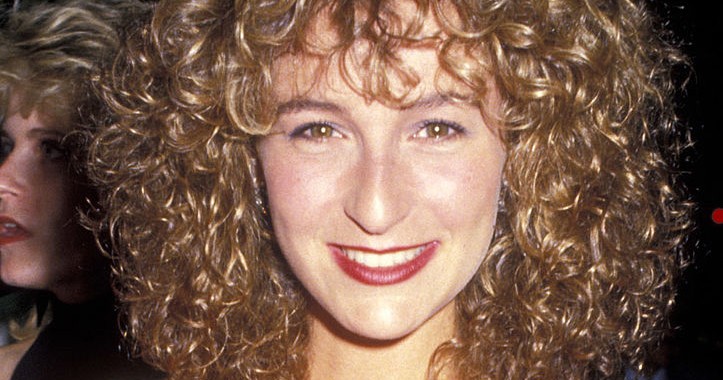
Jennifer Grey: The Untold Story Behind Her Career After Dirty Dancing

Jennifer Grey is best known for her role as Frances “Baby” Houseman in the timeless classic Dirty Dancing. Released in 1987, the film catapulted Grey to international stardom, earning her both critical acclaim and widespread popularity. Many in Hollywood and her fan base expected that this breakthrough would launch a flourishing career filled with starring roles and ongoing success in film. However, circumstances changed dramatically for Grey, altering the path of her life and career in unimaginable ways.
Despite the immense promise that Dirty Dancing represented, a devastating accident shortly before the film’s premiere marked a turning point for Grey. Decades later, Grey, now 65, has candidly spoken about the traumatic experience that profoundly impacted her career trajectory and personal life. Here, we delve deep into Jennifer Grey’s journey—her rise, the adversity she faced, and her inspiring efforts to reclaim her place in the entertainment world.
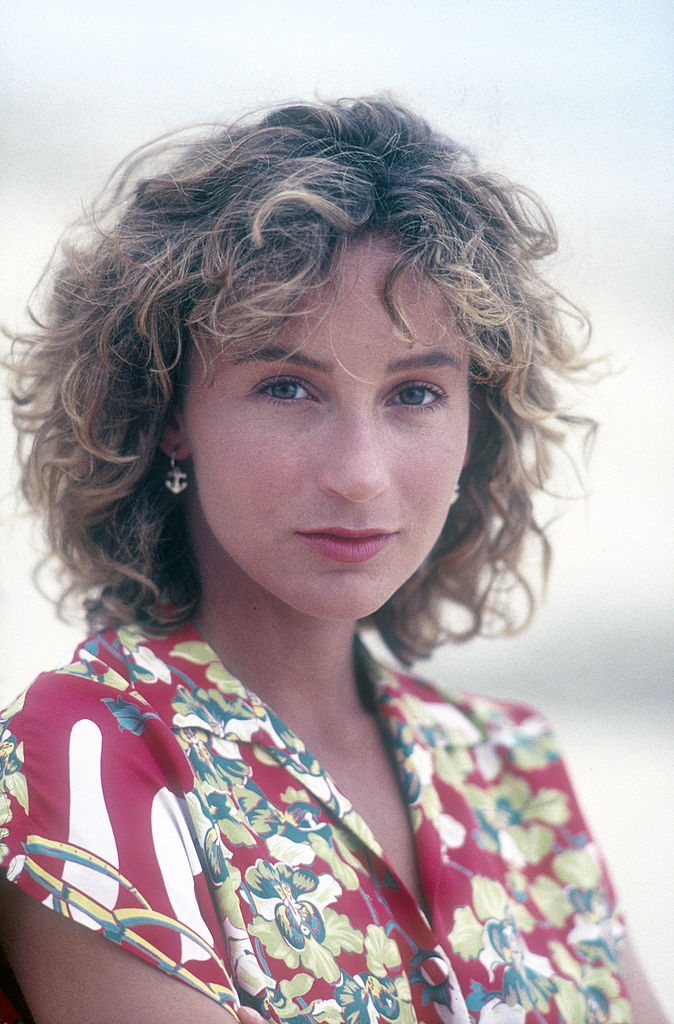
The Making of a Classic: Dirty Dancing’s Unexpected Success
When Dirty Dancing hit theaters, it did so with low expectations. The cast included relatively unknown actors; the production budget was modest; and the project didn’t have a seasoned director at its helm. Nonetheless, from the moment the film premiered in August 1987, it became clear that the team had created something special. The combination of compelling performances, iconic dance sequences, and a memorable soundtrack resonated with audiences worldwide.
The film’s male lead, Patrick Swayze, experienced an immediate ascension to stardom. He quickly became known as a teen idol, appearing in major films such as Ghost and Donnie Darko. For Jennifer Grey, however, the film’s massive commercial and critical success was bittersweet. Rather than embracing the limelight, Grey began to withdraw, her absence conspicuous amid the celebrations and accolades.
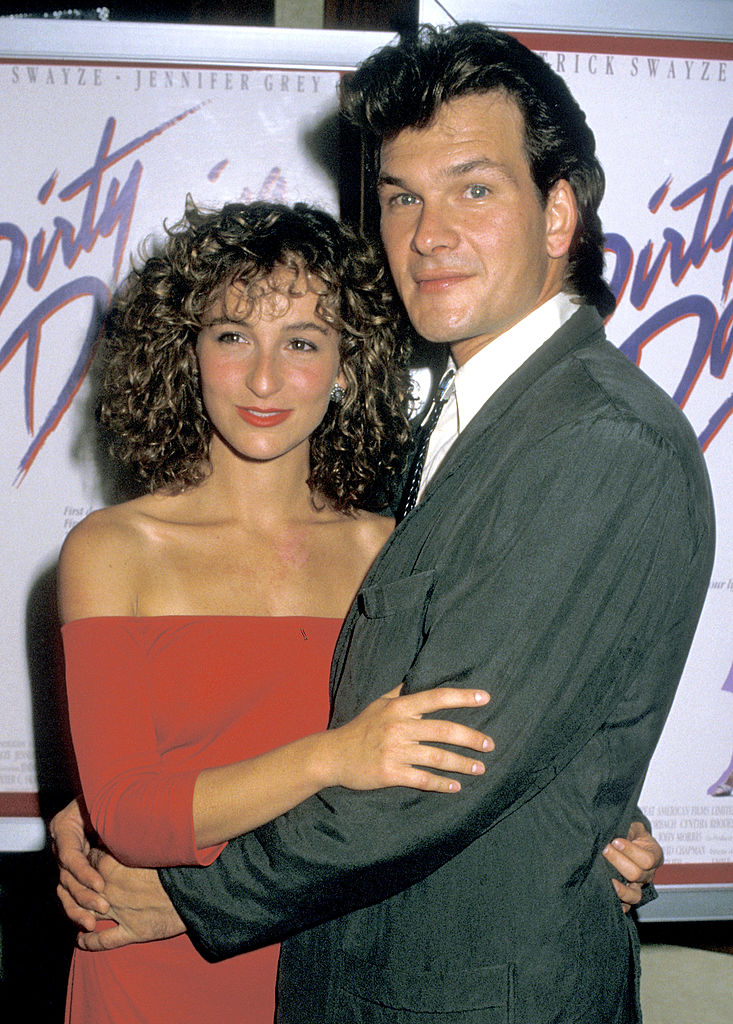
Early Life Influences: The Path to Stardom
Jennifer Grey’s affinity for performing arts started at a young age. Born in New York City in 1960, she was inspired in part by her father, Joel Grey—a multi-talented entertainer with accomplishments in acting, singing, dancing, directing, and photography. Jennifer attended Dalton School, focusing her education on dance and dramatic arts. After graduating in 1978, she pursued further training at the distinguished Neighborhood Playhouse School of the Theater, a stepping stone for many successful actors.
Like many aspiring artists, Grey faced financial and professional hurdles. Supporting herself as a waitress while attending auditions, she eventually earned small television commercial roles, including a notable campaign for Dr. Pepper.
Grey made her film debut in 1984’s “Reckless,” gradually building experience in the industry. But it was her portrayal of “Baby” in Dirty Dancing that proved transformational, earning her a Golden Globe nomination for Best Actress and sealing her place in pop culture history. Penned by screenwriter Eleanor Bergstein, the film drew upon real-life childhood experiences, lending authenticity and relatability to Grey’s performance.
The Tragic Incident Before Fame
Just days before the world premiere of Dirty Dancing in August 1987, Jennifer Grey’s life changed forever. Grey and then-boyfriend, actor Matthew Broderick, were vacationing in Ireland. During their stay, they were involved in a catastrophic car accident. Broderick, mistakenly driving on the wrong side of the road, collided with another vehicle in a devastating crash.
The accident resulted in the tragic deaths of a mother and daughter in the other vehicle. Broderick faced legal proceedings, initially charged with dangerous driving before the charge was reduced to careless driving. For Grey, physical injuries amounted mostly to bruises, but the emotional trauma and psychological scars were far more severe.
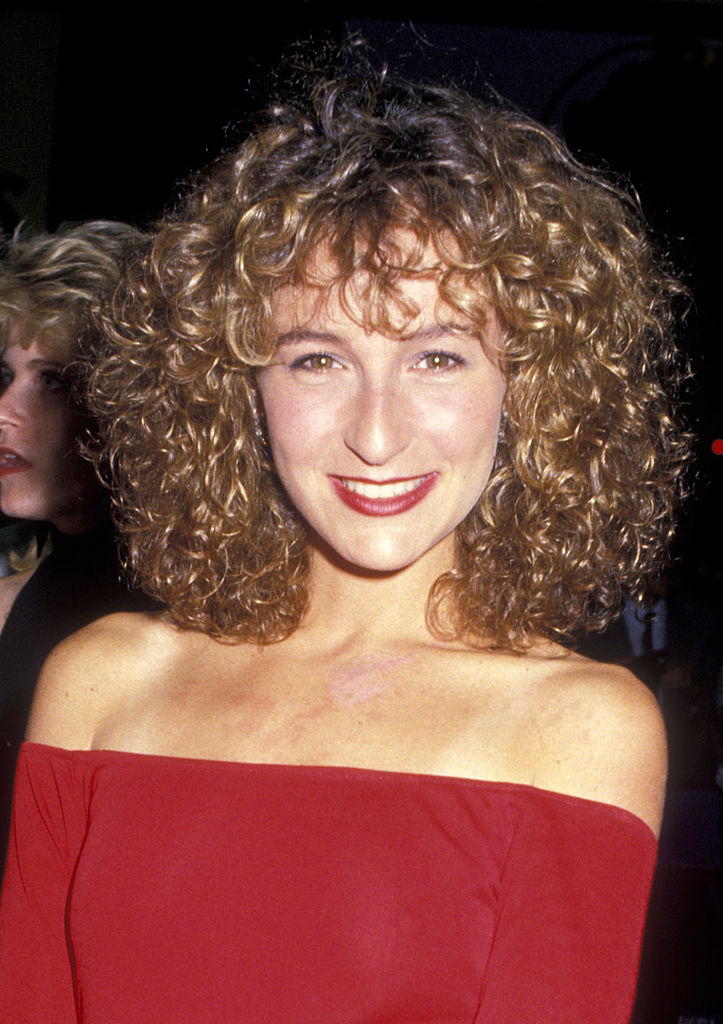
The timing of the accident meant that, as Grey was grappling with intense survivor’s guilt and grief, Dirty Dancing was being released to massive acclaim. In a later interview with People Magazine, Grey reflected on the emotional dissonance she experienced: “The juxtaposition of that deep sorrow, the survivor’s guilt, and then being celebrated as the new big thing just didn’t jibe. It didn’t feel good to be the toast of the town,” she recalled, as reported by the Daily Mirror.
This emotional turmoil lingered. “My head was never the same, my ambition was never the same,” Grey admitted in a candid interview with People. The psychological trauma led her to step back from acting and public life, vanishing from the limelight just as her career had reached its zenith.
Long-Term Effects and Life Out of the Spotlight
After her hiatus, Grey returned to the screen sporadically. In 1995, she appeared in an episode of the hit television show Friends, but there were noticeable changes—most apparent in her altered appearance following plastic surgery. In a 2012 interview, Grey revealed the profound impact of her rhinoplasty. “I went into the operating theatre a celebrity and came out anonymous,” she reflected. “It was like being in a witness protection program or being invisible. It was the nose job from hell. I’ll always be this once-famous actress nobody recognizes because of a nose job.”

Grey’s career became inconsistent in the years following her surgery. She made intermittent appearances across television and film, but struggled to regain the name recognition and star power she once commanded. The loss of her distinctive appearance coupled with ongoing emotional struggles further complicated her return to mainstream Hollywood.
A Triumphant Return: Dancing with the Stars and New Beginnings
Jennifer Grey’s perseverance paid off in 2010 when she competed in—and won—the popular television competition Dancing with the Stars. Her victory marked not just a personal achievement but also a public return to the entertainment sphere. For Grey, the experience was both validating and healing. “It’s like I’ve starved myself because of what people could think about me. This is like eating a delicious steak after having been on a diet for 23 years,” she told People.

Following this resurgence, Grey gradually re-entered acting, accepting diverse roles and embracing her place in Hollywood. In 2018, she appeared in films like Untogether and the comedy series Red Oaks, reintroducing herself to a new generation of viewers. Her candidness in discussing past struggles and personal growth has earned her respect within and beyond the entertainment industry.
The Impact of Trauma: Expert Perspectives
Jennifer Grey’s journey underscores the profound effects that trauma and survivor’s guilt can have on personal and professional lives. Mental health professionals emphasize that experiencing a traumatic event, especially one involving loss of life, often results in deep-rooted emotional consequences. Survivor’s guilt, characterized by persistent feelings of responsibility or remorse for surviving a tragic event, is common among those involved in accidents.
According to the World Health Organization (WHO) and data from the Centers for Disease Control and Prevention (CDC), seeking psychological support and professional counseling is vital for managing the aftereffects of trauma. Grey’s willingness to discuss her own journey has helped destigmatize mental health challenges within the entertainment industry, inspiring others to seek help and share their experiences.
Cultural Legacy and Lasting Public Fascination
Dirty Dancing remains one of the most beloved romantic dramas in cinematic history. Its enduring popularity continues to fuel public fascination with Jennifer Grey and her personal story. Fans frequently revisit the film’s iconic final dance scene, linking it to the nostalgia and joy the original release inspired.
Grey’s story has also been widely discussed in media and entertainment circles, often as an example of how overnight fame can be both a blessing and a challenge. Her resilience and willingness to speak openly about adversity have set her apart as a figure of strength and inspiration. Interest in her career and personal life endures across generations, keeping her legacy alive within popular culture.
Looking Forward: Jennifer Grey’s Ongoing Influence
With renewed public interest following her re-emergence in competitions and on-screen projects, Jennifer Grey’s enduring influence is evident. In interviews, she has expressed satisfaction in regaining her confidence, artistry, and passion for acting. Her journey—from celebrated starlet to trauma survivor and back to the entertainment forefront—offers valuable lessons about resilience, identity, and perseverance.
Today, Grey stands as a symbol of both the highs and lows of fame, as well as a testament to the human capacity for healing and reinvention. Her story continues to inspire not just fans of Dirty Dancing but anyone who faces adversity and seeks to chart their path forward.
The Enduring Appeal of Dirty Dancing
For many, watching Dirty Dancing is a nostalgic journey back to the 1980s, filled with unforgettable performances and timeless music. The film’s emotional core and dynamic dance scenes remain relevant, introducing new audiences to Jennifer Grey’s talent year after year. The enduring fascination with both the movie and Grey herself highlights the powerful connection between pop culture and personal stories of triumph over adversity.
Conclusion
Jennifer Grey’s experience following her iconic role in Dirty Dancing is a powerful reminder of the challenges and unpredictability that can accompany fame. Her ability to overcome adversity and continue pursuing her passions serves as inspiration for many. Today, Grey’s openness about her journey contributes to broader understanding and empathy for those dealing with trauma and change, both in and out of the public eye.
Sources
- Reuters
- BBC
- People Magazine
- Daily Mirror
- World Health Organization (WHO)
- Centers for Disease Control and Prevention (CDC)
- The Guardian
- Mayo Clinic
Disclaimer: This content is intended for entertainment purposes only and is not based on real events.