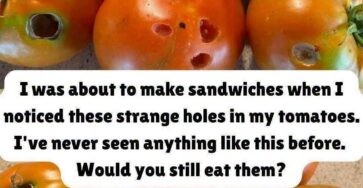
Tomatoes are among the most rewarding crops in a home garden, celebrated for their sweet, juicy flavor and versatility in the kitchen. Yet, gardeners occasionally encounter an unsettling surprise: a perfectly ripening tomato with an obvious hole. This seemingly minor blemish can reveal a lot about your garden’s health and the challenges it faces. In this comprehensive guide, we examine what holes in tomatoes signify, their potential causes, and how proactive gardeners can address and prevent these problems for future harvests.
Understanding Holes in Tomatoes: More Than Just a Cosmetic Issue
Discovering a hole in a tomato is concerning not just for aesthetic reasons; it can impact the fruit’s edibility and the overall health of your tomato plants. Holes can serve as entry points for microorganisms, triggering spoilage and secondary infections. Recognizing the underlying cause behind these holes is essential to protect the rest of your crop and maintain a thriving garden ecosystem.
Common Causes of Holes in Tomatoes
Multiple factors can produce holes in tomatoes. While the damage may look similar, each cause requires a unique response. Key culprits include insect pests, birds, small mammals, and certain plant diseases.
1. Insect Pests
Insects are among the most frequent reasons for holey tomatoes. The most notorious are:
- Tomato Fruitworms (Helicoverpa zea): Also known as corn earworms, these caterpillars chew holes into tomatoes, often leaving a messy cavity inside. Fruitworms typically target green or just-ripening fruit and may be visible inside the tomato.
- Tobacco Hornworms (Manduca sexta) and Tomato Hornworms (Manduca quinquemaculata): Large green caterpillars that sometimes bore holes not just in tomatoes but also in foliage. Their size and voracious appetite can quickly damage multiple fruits.
- Stink Bugs: These insects pierce tomato skin and feed on juices, leaving small, pin-prick holes, often surrounded by cloudy or pale tissue.
- Other Insects: Cutworms, slugs, and flea beetles are also known to injure tomatoes, though their damage often affects leaves or stems as well as fruit.
2. Birds and Small Mammals
Birds, especially during dry spells when water is scarce, will peck at tomatoes to access their moisture, producing irregular holes. Similarly, squirrels, chipmunks, and rodents may gnaw through the skin to eat the flesh or seeds inside, sometimes leaving ragged edges or teeth marks.
3. Plant Disease
Although less common, some fungal and bacterial diseases can result in holes or collapsed spots on tomatoes:
- Bacterial Spot (Xanthomonas species): Often begins as dark, water-soaked lesions before rupturing and leaving small holes.
- Anthracnose (Colletotrichum species): Fungal spores infect mature fruit, producing sunken, circular lesions that may develop into cavities, especially in overripe fruit.
Diseases rarely create large holes by themselves, but may make fruit more vulnerable to other pests.
Diagnosing the Problem: Signs to Look For
Correctly identifying the source of holes in your tomatoes enables you to choose the most effective remedy. Here are some diagnostic tips:
- Check for Frass or Caterpillars: Sawdust-like frass (insect droppings) or caterpillars in or near holes indicates insect pests, especially fruitworms or hornworms.
- Irregular vs. Round Holes: Uniform, round holes with clean edges often signal insect feeding. Ragged, larger holes suggest animal or bird activity.
- Check the Timing: Holes appearing in green fruit usually point to fruitworms; holes in ripening fruit might point to birds or mammals.
- Look for Signs on Leaves and Stems: Hornworm infestations are often accompanied by defoliation and droppings on the soil below.
- Fungal or Bacterial Lesions: Sunken, water-soaked, or cloudy spots may herald a disease rather than a pest.
Managing and Preventing Holes in Tomatoes
Successful management involves a combination of monitoring, prevention, and intervention strategies. Consider these approaches to protect your tomatoes:
Pest Control Strategies
- Manual Removal: For hornworms and other visible caterpillars, handpicking and disposing of them early in the morning can be very effective.
- Barriers and Traps: Lightweight row covers, fine mesh cages, or netting can keep out birds and insects. Yellow sticky traps can help monitor pest numbers.
- Natural Predators: Encourage beneficial insects such as ladybugs, lacewings, and parasitic wasps, which help control pest populations.
- Organic Sprays: Bacillus thuringiensis (Bt), neem oil, and insecticidal soaps can be used against certain pests, but always follow label directions to safeguard pollinators.
Animal Deterrents
- Bird Netting: Place fine mesh netting over tomato plants to prevent pecking birds from reaching the fruit.
- Motion-Activated Sprinklers: These devices startle mammals and birds, discouraging them from entering the garden.
- Physical Barriers: Fencing or individual fruit cages may deter rodents and squirrels.
Disease Prevention
- Crop Rotation: Rotating planting areas each year helps reduce the buildup of soil-borne pathogens.
- Sanitation: Remove and dispose of any diseased fruit or plant debris to prevent infection from spreading.
- Water Management: Use drip irrigation rather than overhead watering to minimize leaf wetness and reduce disease transmission.
Long-Term Solutions for Healthy Tomatoes
Healthy, resilient tomato plants are less vulnerable to pests and diseases. Ensure your tomatoes receive adequate sunlight, balanced nutrition, and regular pruning for good air circulation. Mulching reduces soil splash and moisture loss, discouraging both pests and diseases. Optimal spacing between plants further limits disease transfer.
Choosing tomato varieties bred for disease resistance—such as those labeled “VFN” (resistant to Verticillium, Fusarium, and Nematodes)—also helps. Some heirloom varieties, while flavorful, may be more susceptible and require additional vigilance.
Keeping a garden journal to track patterns of damage and interventions can be invaluable for long-term management and continuous improvement.
Expert Insights on Tomato Health
Horticultural experts emphasize the value of integrated pest management (IPM) and minimal chemical use whenever possible. Dr. Pam Bennett, a horticulture educator with Ohio State University Extension, notes that “monitoring plants regularly, practicing good cultural techniques, and using interventions only as needed can dramatically reduce losses from pests and diseases.” The use of natural predators and organic controls is encouraged for home gardeners.
Entomologists also stress that while occasional fruit damage is inevitable in home gardens, the risk to human health is low as long as affected fruit is discarded or cut away. Most pests are not toxic to people, and proper handling of produce ensures safety.
Societal and International Perspectives
Globally, tomato crops represent a vital food source and economic staple. According to the Food and Agriculture Organization (FAO), pests and diseases account for significant annual losses in tomato production worldwide. Efforts by researchers and agricultural agencies focus on developing environmentally responsible solutions to reduce reliance on chemical pesticides, safeguard pollinator health, and support sustainable food systems.
Community gardening programs and cooperative extensions play a crucial role in educating gardeners about integrated pest management, disease prevention, and organic gardening practices. These initiatives foster healthier urban and rural food systems, promote biodiversity, and empower individuals to cultivate resilient gardens even when encountering challenges like pest-induced holes in tomatoes.
Conclusion: Turning a Setback Into an Opportunity for Growth
While holes in tomatoes can be disappointing, each blemish serves as a clue to the health of your garden environment. By understanding the underlying causes—whether pests, animals, or disease—you can take targeted action to safeguard your plants. Prevention, early intervention, and the adoption of sustainable gardening principles ensure not only better harvests, but a vibrant and productive garden for seasons to come.
Sources
Disclaimer: This content is intended for entertainment purposes only and is not based on real events.