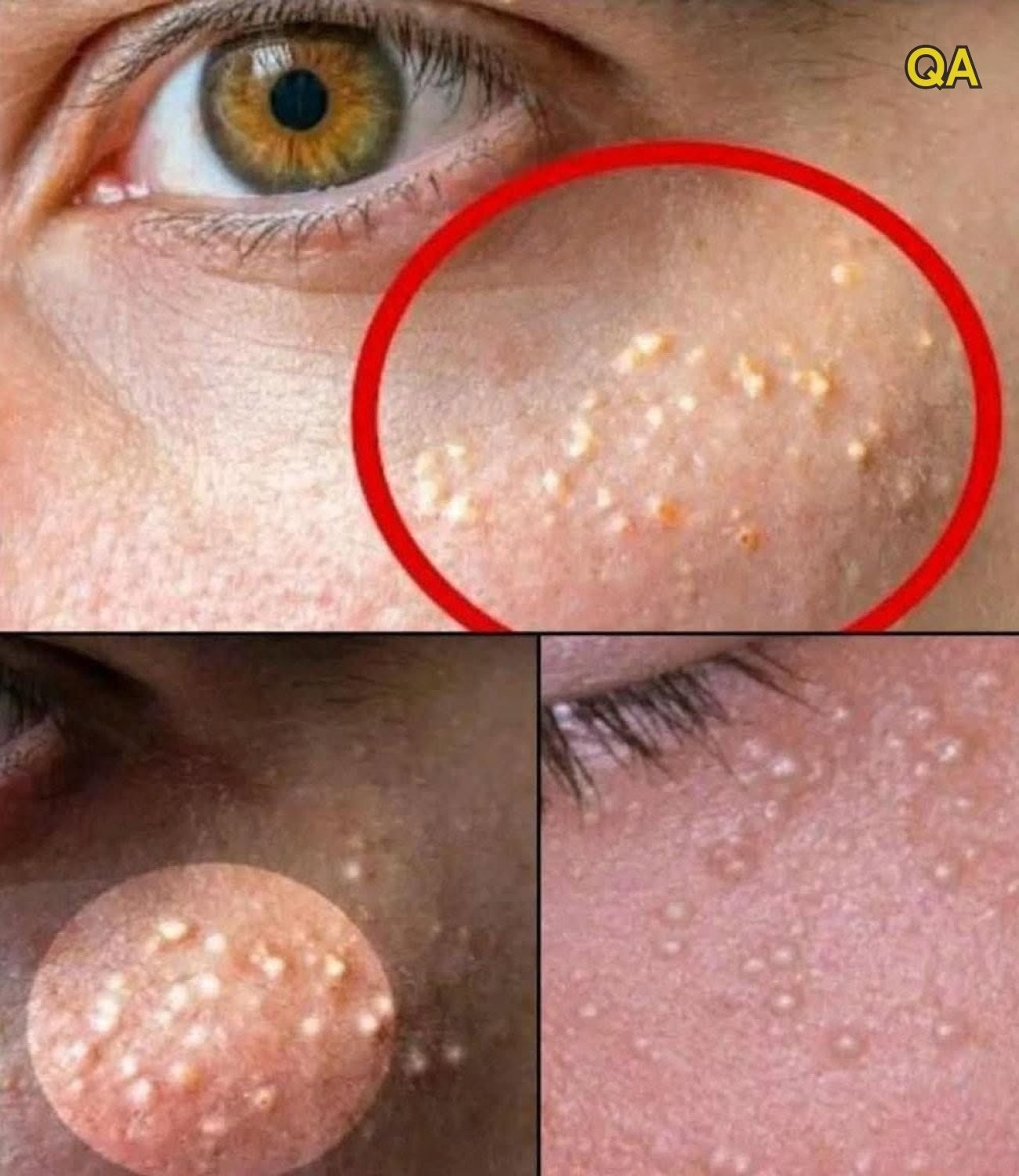
They Often Show Up Quietly—Tiny, Hard, Pearl-White Bumps Clustered Around the Cheeks, Eyelids, or Nose. They Don’t Hurt, They Don’t Itch, and No Matter How Much You Wash Your Face, They Never Seem to Go Away. For Many People, These Mysterious Bumps Can Last for Months… or Even Years. But What They Mean May Surprise You.
For many individuals, discovering tiny, hard, pearl-white bumps around the cheeks, eyelids, or nose can be a source of confusion and frustration. These bumps do not cause pain or itching, and often persist despite diligent skincare routines. When conventional treatments fail, questions naturally arise about what exactly these mysterious bumps are, why they appear, and how best to address them.
Understanding Milia: What Are These White Bumps?
The pearl-like bumps in question are most commonly known as milia (singular: milium). Unlike acne or pimples, milia are not caused by dirt, oil, or bacterial infection. In fact, they are tiny, benign cysts that form when dead skin cells—known as keratin—become trapped beneath the surface layer of the skin. This forms a small, hard nodule that is white or yellowish in appearance and has a distinctly smooth, domed surface.
Milia occur most frequently on the face, particularly around sensitive areas such as the eyes, cheeks, and nose. They can affect individuals of any age, but are especially common among infants, where the condition is sometimes referred to as “milk spots.” In adults, milia are persistent, may cluster in groups, and can sometimes remain for months or even years if left untreated.
The Causes of Milia: What Science Reveals
Understanding the underlying causes of milia is key to preventing and managing their occurrence. According to dermatological experts, milia develop when skin flakes or keratinized cells are inadvertently sealed under the skin’s surface instead of being shed as part of the natural cycle of exfoliation. Several factors can encourage this trapping process:
- Use of heavy or occlusive skincare products: Thick creams, oils, or ointments may clog skin pores and prevent natural shedding—making it easier for dead skin cells to become trapped.
- Insufficient exfoliation: When exfoliation is lacking from a skincare routine, dead skin accumulates, increasing the likelihood of formations like milia.
- Sun damage: Ultraviolet (UV) exposure can thicken the outermost layer of the skin, reducing its ability to shed cells efficiently and creating a hospitable environment for milia.
- Skin trauma or irritation: Persistent rubbing, cosmetic procedures, or long-term use of topical steroids can disrupt the skin barrier, making milia more likely.
- Hormonal fluctuations: Hormonal changes—such as those experienced during puberty, pregnancy, or menopause—may alter skin cell turnover, predisposing certain people to develop milia.
- Genetics and chronic skin disorders: Individuals with genetic skin conditions or chronic disorders (like blistering conditions) may be more susceptible to milia.
How to Distinguish Milia from Other Skin Conditions
It is not uncommon for milia to be mistaken for whiteheads, pimples, or other skin issues. However, there are several distinguishing features:
- Milia are firm and non-inflamed; they do not contain pus and typically do not become red or swollen.
- They resist “popping” or squeezing due to their location beneath a layer of skin.
- They often appear in clusters and persist for long periods without changing.
- Common locations include the eyelids, cheeks, forehead, and even the genital area, although the latter is less frequent.
If uncertainty remains about a skin lesion, consulting a board-certified dermatologist is recommended for proper identification and treatment.

Why Milia Occur: Insights from Dermatologists
According to the American Academy of Dermatology, milia represent a benign but persistent cosmetic concern. Dermatologist Dr. Shari Marchbein, as cited by health resources such as the Mayo Clinic, explains that the occurrence of milia is often an external sign that the skin’s natural renewal and repair processes are experiencing disruptions. This disruption may come from excessive sun exposure leading to tougher skin, the long-term application of products that inhibit breathing, or even a poorly maintained exfoliation routine.
Additionally, Dr. Adam Friedman, a well-known dermatology professor, emphasizes that even stress and environmental changes can impair the skin barrier, raising the risk of milia formation. Internally, the skin uses milia as a signal to indicate areas where normal cell shedding and rejuvenation is lagging behind.
Safe and Effective Treatments for Milia
One of the most important rules about milia is not to attempt popping or squeezing them. Unlike acne, milia do not have an opening to the surface; forcibly extracting them can lead to scarring, infection, or prolonged irritation. Proper treatment should always emphasize gentle and non-invasive methods:
- Exfoliation: Regular, mild exfoliation with products containing alpha-hydroxy acids (AHAs) or beta-hydroxy acids (BHAs) can encourage cell turnover and allow trapped keratin to be released over time.
- Use of gentle cleansers: Avoiding heavy creams and choosing non-comedogenic products helps maintain skin clarity.
- Sun protection: Daily use of broad-spectrum sunscreen prevents skin thickening and reduces the risk of long-term buildup that favors milia development.
- Topical retinoids: Under professional supervision, over-the-counter or prescription retinoid products can speed up cell turnover and diminish the appearance of milia.
- Professional extraction: When milia persist, dermatologists can safely remove them with sterile tools under controlled clinical conditions. This process should not be attempted at home.
Dr. Susan Taylor, a board-certified dermatologist, notes, “Patients often find success with retinoids or exfoliating cleansers. But if the bumps are persistent or numerous—especially around the eyes—a quick office visit is safest. It’s a simple, effective procedure done in minutes.”
Preventing Milia: What You Can Do
While not all cases of milia are preventable, several strategies can help reduce your chances of developing these annoyingly persistent bumps:
- Use lightweight skin products: Choose moisturizers, sunscreens, and cleansers labeled as “oil-free” or “non-comedogenic.”
- Regularly exfoliate: Gentle chemical exfoliation 1-2 times per week encourages proper shedding of dead skin, reducing blockage risk.
- Avoid heavy eye creams or occlusive makeup around the eyes: These products are common triggers for milia in delicate areas.
- Protect your skin from the sun: Sun exposure not only accelerates aging but also affects the skin’s renewal process, supporting an environment where milia can form.
- Consult your dermatologist regularly: Especially if you notice new or persistent bumps, professional guidance ensures prompt, safe care.
It is important to note that milia sometimes develop as part of the skin’s normal aging process or as a response to genetic or medical conditions; even with perfect skincare, milia may still occur occasionally.
Psychosocial Impact: More Than Just a Cosmetic Concern
While milia are medically harmless, their visible presence—especially on the face—can impact self-confidence and emotional well-being. For some, these persistent spots lead to frustration or embarrassment, particularly when standard skincare routines do not resolve the issue. Dermatologists routinely emphasize that individuals should not feel blame or shame for developing milia, as these bumps are not related to poor hygiene.
Societal awareness of milia is on the rise, with more people seeking information about gentle skincare, cosmetic solutions, and the importance of mental well-being in addressing skin conditions. Dermatology organizations encourage public discussions to dispel myths about skin health and to foster supportive environments for those experiencing chronic conditions, including milia.
International Perspectives and Awareness
Milia management and awareness are part of global trends emphasizing informed, science-based skincare. International dermatologists advocate for gentle face cleansing, sun avoidance, and cautious product use, regardless of skin type or age. Across countries, public health campaigns highlight the risk of homemade or aggressive treatments, promoting professional medical oversight instead.
Recent years have seen a proliferation of educational resources from leading organizations like the World Health Organization and leading national health institutes, informing the public about benign skin conditions and the importance of professional consultation.
When to See a Professional
Although milia are generally harmless, you should seek expert care if:
- Bumps become red, painful, or swollen.
- There is uncertainty about their diagnosis.
- Bumps persist for many months or are bothersome despite routine care.
- The bumps spread rapidly or occur alongside other worrying skin changes.
Dermatologists can quickly distinguish milia from other skin disorders and recommend a tailored treatment plan, offering peace of mind and the best path toward healthy, smooth skin.
Conclusion: Listening to Your Skin
Milia’s stubborn, harmless bumps are a common experience shared by people across ages and continents. They serve as subtle indicators that your skin is communicating about what it needs—gentle care, balanced products, and sometimes assistance from professionals. Understanding, identifying, and appropriately managing milia can foster healthier skin—and greater confidence—overall.
Sources
Disclaimer: This content is intended for entertainment purposes only and is not based on real events.