What Does the “M” Mean on an RSVP Card?
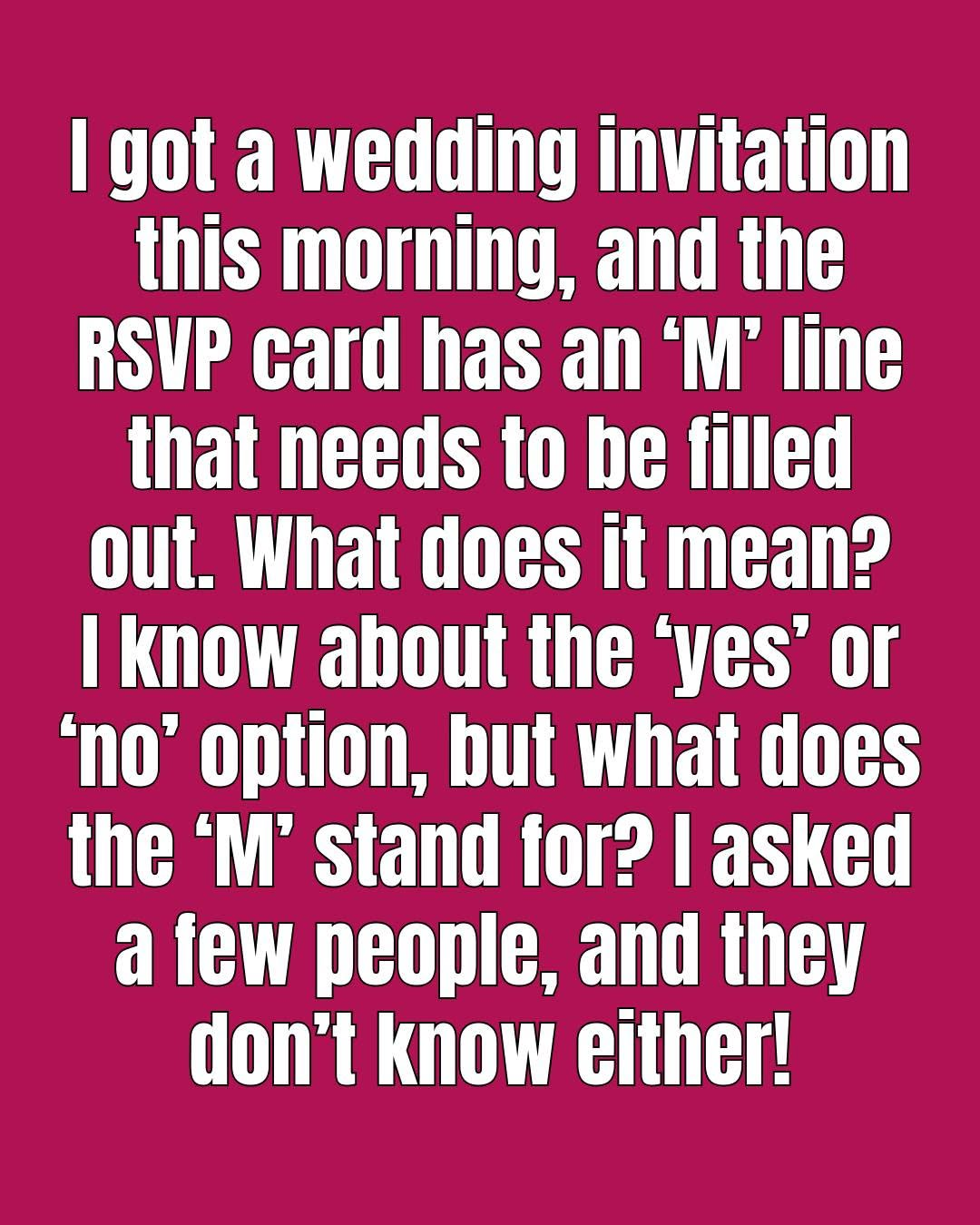
Many wedding guests have experienced the same moment of confusion: you open a beautifully designed invitation, flip to the RSVP card, and see a single, lonely letter at the beginning of a blank line—just an “M” followed by a space. Pens pause mid-air. Should you write your middle initial, your meal choice, or perhaps “Maybe”? In reality, the explanation is much simpler, rooted in long-standing etiquette traditions that continue to shape how formal invitations are written today.
The Origin of the M on an RSVP Card
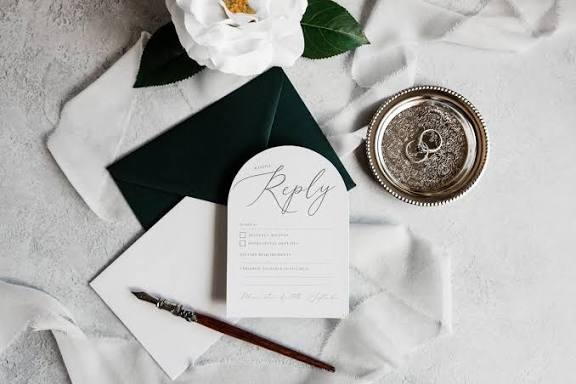
The “M” at the start of an RSVP line is a shorthand cue that comes from traditional forms of address. In English-speaking etiquette, formal titles for adults typically begin with the letter M:
- Mr.
- Mrs.
- Ms.
- Miss
- Mx. (used more recently as a gender-neutral option)
On classic RSVP cards, hosts would print a capital “M” followed by a blank line, signaling that guests should complete the title and write their full name. In other words, the “M” is the first letter of your title, not a mysterious code. For example:
- Mr. James Anderson
- Mrs. Alicia Johnson
- Ms. Priya Patel
- Mx. Jordan Lee
This convention dates back to a time when formal written correspondence, such as wedding invitations and social announcements, followed strict etiquette rules influenced by European and particularly British traditions. Titles were considered essential markers of respect, status, and proper address, and the RSVP format reflected those expectations.
RSVP: A Brief Look at the Term Itself
Understanding the “M” is easier when you also understand what RSVP means. The abbreviation comes from the French phrase répondez s’il vous plaît, which translates to “please respond” in English. Despite being French in origin, the term RSVP has become standard in English-language invitations worldwide.
Hosts include RSVP instructions so they can plan important details such as seating arrangements, catering, and venue capacity. Precise guest counts allow them to manage budgets, food portions, and logistical elements like place cards and table layouts. The small “M” on the card is just one component of this larger planning process.
How to Fill Out the M Line Correctly
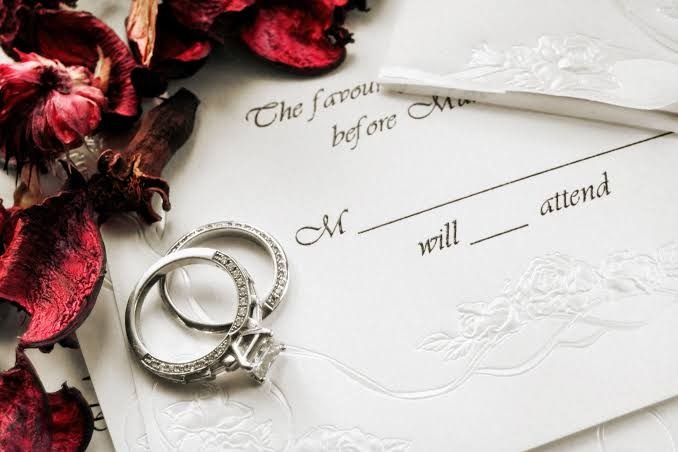
Once you know the tradition behind the letter, filling out the line becomes straightforward. The general rule is:
Start with the “M” and complete your title, then write your full name as you want it to appear for the hosts.
Here are some common examples:
- Mr. Daniel Ruiz
- Mrs. Carla Ruiz
- Ms. Emily Chen
- Miss Olivia Davis
- Mx. Alex Morgan
If the card is for two people invited together, such as a married couple or partners living at the same address, you can write both names on the same line:
- Mr. and Mrs. Daniel Ruiz
- Ms. Emily Chen and Mx. Alex Morgan
- Mr. David Patel and Ms. Rachel Brown
Some guests wonder whether they must use the exact title printed on the outer envelope of the invitation. Modern etiquette experts generally agree that you can choose the title you are most comfortable with. If you prefer “Ms.” instead of “Miss,” or “Mx.” instead of “Mr.” or “Ms.,” it is acceptable to write that preference on the RSVP card. This can even be helpful to the hosts, who may be unsure of your preferred form of address.
What if You Do Not Use a Traditional Title?
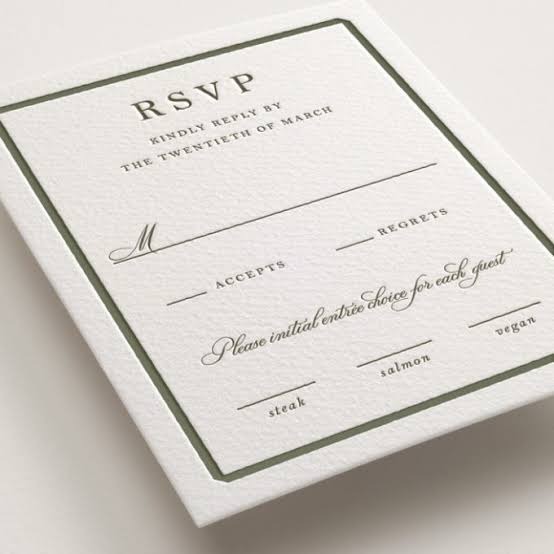
As social norms have evolved, not everyone feels represented by conventional titles like Mr., Mrs., or Ms. You might prefer to use just your name, you might identify as non-binary, or you may not use honorifics at all in daily life. In those situations, the “M” can feel outdated or confusing.
If you do not use any title, you still have options:
- Simply complete the name after the “M” and ignore its traditional meaning, for example, “M Riley Carter.”
- Cross out the “M” and write your name normally: “Riley Carter.”
- Use “Mx.” if that reflects your preference: “Mx. Riley Carter.”
Contemporary etiquette specialists note that clarity is more important than rigid adherence to old forms. The goal is for the hosts to know exactly who is responding so they can record their guest list accurately. Choosing a format that clearly identifies you is both practical and polite.
Why the M Persists on Modern Invitations
Given that many people find the “M” puzzling, why does it still appear on so many wedding RSVP cards?
There are a few reasons:
- Tradition and formality: Weddings, especially formal ones, often incorporate long-standing customs. Using the “M” is a subtle nod to historical etiquette and paper stationery design.
- Design aesthetics: The “M” provides a visually neat starting point for the guest’s name and can help keep the layout of the card balanced and consistent.
- Stationery templates: Many online stationery services and designers use standard RSVP templates that still include the “M,” so couples may adopt it automatically without reconsidering its meaning.
However, as awareness of diverse titles and more inclusive language grows, some couples and planners are choosing alternative formats that feel more welcoming to all guests.
Modern Alternatives to the Traditional M
To avoid confusion, many contemporary invitations have moved away from using a single “M” and instead print clearer prompts. Some popular alternatives include:
- Name(s): __________________________
- Guest name(s): _____________________
- Please write your full name(s): _____
These options are more intuitive for guests and do not assume the use of a specific title. For weddings aiming for a relaxed or minimalist style, a simple “Name” line can be both aesthetically pleasing and user-friendly.
Wedding planners and etiquette writers have increasingly encouraged hosts to think about how every element of the invitation, including the RSVP card, might be interpreted by guests of different ages, backgrounds, and cultures. Removing potential points of confusion is a small way to create a more inclusive celebration.
Filling Out Other Parts of the RSVP Card
While the mysterious “M” is often the most confusing part, RSVP cards can include several other sections that influence how guests respond. Understanding these can make replying easier and more accurate for both sides.
Accepts or Regrets
Most RSVP cards provide a place to indicate whether you will attend. Common phrasings include:
- “Accepts with pleasure” / “Declines with regret”
- “Will attend” / “Will not attend”
- “Joyfully accepts” / “Regretfully declines”
Guests should clearly mark one option and, if requested, indicate the total number of attendees from their household or party. This helps the hosts confirm that you have fully understood whether partners or children are included.
Meal Choices and Dietary Needs
Many RSVP cards ask guests to select a meal option for each attendee, particularly when a plated dinner is served. Typical choices might include dishes such as chicken, fish, beef, or a vegetarian entree. Hosts may also request information about allergies or dietary restrictions.
To respond helpfully:
- Clearly match each guest’s name to their meal choice.
- Write legibly so the couple and caterer can easily understand your selection.
- Mention significant dietary needs (for example, nut allergies, gluten-free, vegan) in the space provided or in a brief note if requested.
Providing accurate information helps prevent issues on the wedding day and allows the hosts to make appropriate arrangements with the venue or caterer.
RSVP Deadlines
Most RSVP cards list a “Please reply by” date. This is not just a formality: venues, caterers, and rental companies often require final head counts several weeks before the event. Responding on time allows hosts to:
- Confirm seating charts and table assignments.
- Finalize food quantities and costs.
- Prepare place cards and favors if used.
Etiquette guides generally recommend responding as soon as you know your plans, rather than waiting until the deadline. This courtesy reduces stress for the couple and supports smooth event planning.
How Digital RSVPs Are Changing Tradition
As more couples create wedding websites and use online tools to manage guest lists, digital RSVPs have become increasingly common. These systems often replace the physical card entirely, allowing guests to respond through a web form or email.
Digital formats typically do not use the “M” at all. Instead, they have clear fields such as “First Name,” “Last Name,” and “Email Address,” which remove ambiguity and are accessible to a wider range of guests. Some platforms also allow guests to update their responses if plans change, something that is harder to manage with paper replies.
Nonetheless, many couples still appreciate the tactile, personal experience of receiving handwritten RSVP cards. For them, the small “M” and other traditional elements are part of the charm and keepsake value of their wedding stationery.
Etiquette Perspectives on the M Today
Modern etiquette experts often take a flexible approach to the “M” and other formalities. Their guidance typically centers on three main principles:
- Clarity: Whatever you write should clearly identify who is responding and whether they are attending.
- Respect: Use names and titles that show respect for both the hosts and your own preferences or identity.
- Timeliness: Respond by the requested date, whether by mail, online, or another method specified by the hosts.
If you encounter an RSVP card with an “M” and still feel unsure, it is acceptable to reach out politely to the couple or their wedding planner for clarification. However, in most cases, simply completing the title and your full name is all that is needed.
Tips for Hosts Designing RSVP Cards
For couples planning a wedding, the question is not only “What does the ‘M’ mean?” but also “Should we include it?” When designing RSVP cards, it can be helpful to consider the preferences and diversity of your guest list.
Some practical tips include:
- Think about your audience: If many guests may be unfamiliar with formal stationery, consider using “Name(s)” instead of the “M.”
- Allow room for clarity: Provide sufficient space for guests to write their full names and any details like dietary needs.
- Use inclusive language: Consider titles, pronouns, and phrasing that welcome guests of all backgrounds and identities.
- Keep instructions simple: Clear, concise wording tends to result in more accurate and timely responses.
Balancing tradition with practicality can help ensure that the RSVP process serves its intended purpose: gathering accurate information while making guests feel comfortable and appreciated.
Key Takeaways
The modest “M” at the start of many RSVP lines has a long history but a very simple meaning. It stands for the beginning of a formal title—such as Mr., Mrs., Ms., Miss, or Mx.—and invites you to complete the line with your chosen form of address and full name. While it can momentarily confuse guests who are not familiar with traditional etiquette, it remains a recognizable part of classic wedding stationery.
Today, many hosts and planners are updating invitation designs to use more straightforward prompts like “Name(s)” to avoid ambiguity and better reflect modern social norms. Whether you encounter a traditional card or a contemporary digital form, the essentials remain the same: respond clearly, respectfully, and on time, so the hosts can plan their event smoothly.
Sources
- BBC – Features on etiquette and social customs
- Reuters – Lifestyle and society coverage
- The Guardian – Life & Style: Etiquette
- The New York Times – Weddings section
- Al Jazeera – Society and culture reporting
Disclaimer: This content is intended for entertainment purposes only and is not based on real events.