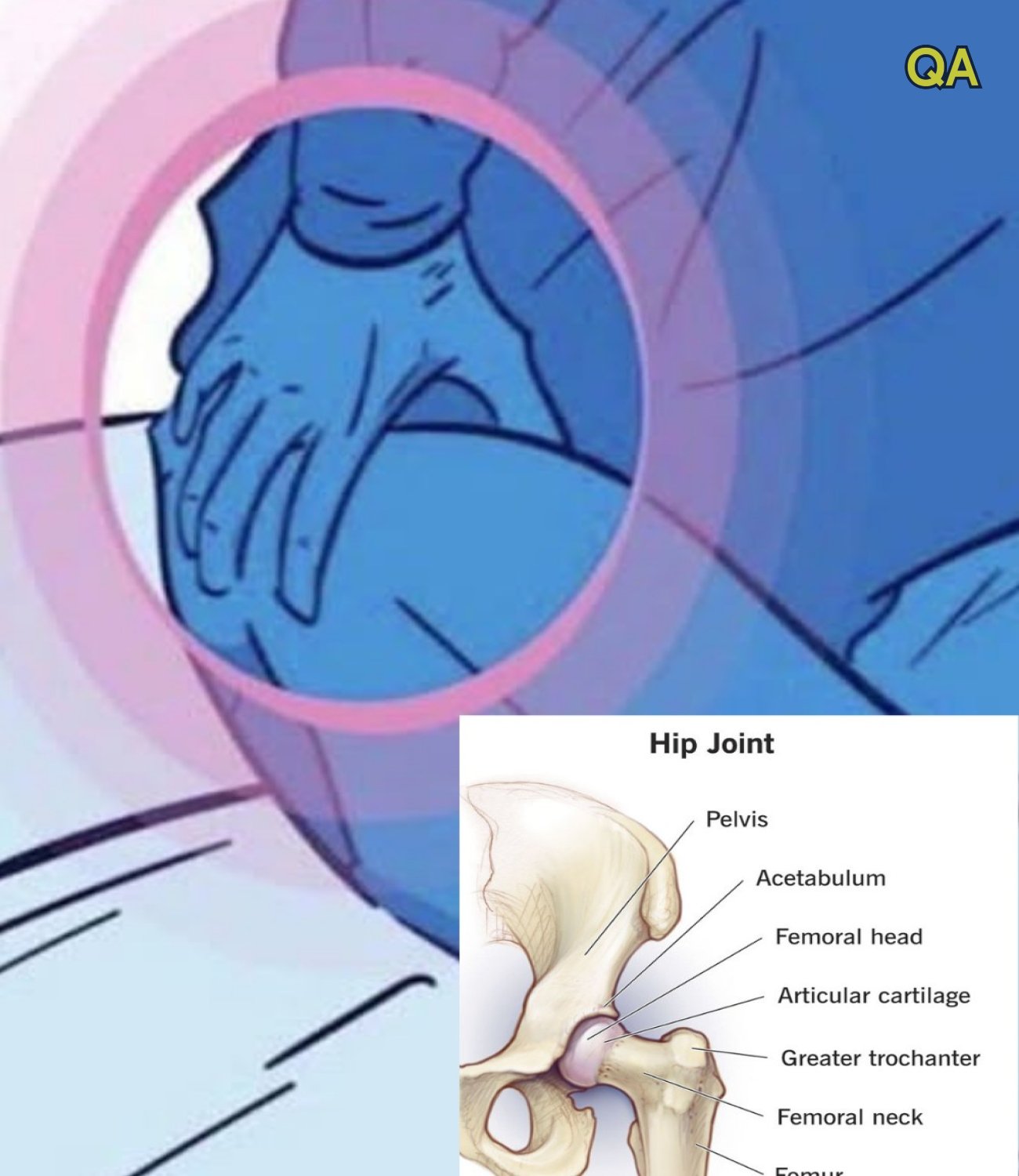
That strange sound coming from your hip might be nothing—or it could be a sign that your joint needs a little more attention.
A click.
A pop.
Sometimes even a strange squeaking or grinding sound.
If you’ve ever heard an unusual noise coming from your hip while walking, standing up, stretching, or exercising, you may have simply ignored it.
After all, if it doesn’t hurt, why worry?
But your hips are doing a lot more work than you probably realize.
They help support your body weight, keep you balanced, and allow you to walk, bend, sit, climb stairs, and move through everyday life.
So when something suddenly starts sounding different, it can be worth paying attention.
When a noisy hip may be harmless
Not every hip sound means something is wrong.
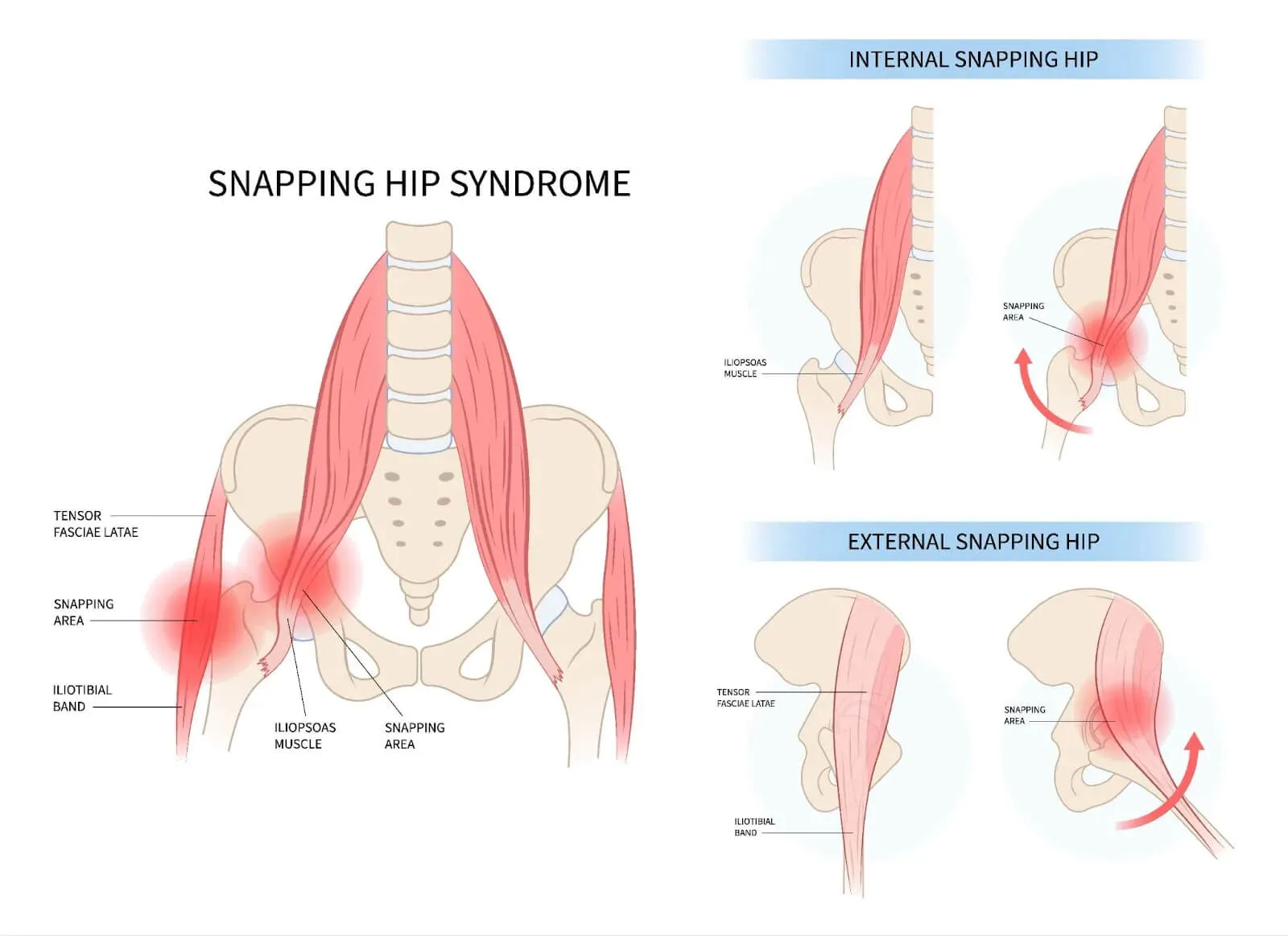
Occasional clicking or popping can happen simply because muscles, tendons, or other tissues move around the joint.
If the sound is occasional and you’re not experiencing pain, stiffness, weakness, or difficulty moving, it may not be a cause for concern.
But there’s an important difference between an occasional click and a persistent change.
If the noises become frequent—or begin appearing alongside discomfort or reduced movement—it’s worth having the hip evaluated by a healthcare professional.
Why does your hip make those sounds?
Your hips are complex joints surrounded by muscles, tendons, ligaments, and other tissues.
When these structures don’t move smoothly, you may hear or feel a click or pop.
Previous injuries, repetitive activities, prolonged sitting, changes in activity levels, or physically demanding routines can all affect how the area moves.
Sometimes, the issue isn’t the hip joint itself but the muscles and soft tissues surrounding it.
That’s why the sound alone usually isn’t enough to determine what’s happening.
The combination of the sound, your symptoms, and how your hip moves matters much more.

Don’t ignore the signs that come with the noise
A hip that makes an occasional noise is one thing.
A hip that repeatedly clicks while becoming painful or stiff is another.
Pay attention if you notice:
-
Persistent or worsening discomfort
-
Stiffness
-
Reduced range of motion
-
Difficulty walking or climbing stairs
-
Weakness around the hip
-
Swelling or other unusual changes
These symptoms don’t automatically mean you have a serious condition.
But they are good reasons to talk with a healthcare professional rather than simply hoping the problem disappears.
Your everyday habits can matter
The way you move throughout the day can influence how much stress your hips experience.
Sitting for long periods, poor posture, sudden increases in exercise, or repetitive movements may contribute to discomfort for some people.
Small changes can help support healthier movement.
Get up regularly if you’ve been sitting for a long time.
Pay attention to your posture.
Choose comfortable, supportive footwear.
And avoid suddenly pushing your body through intense activity when you’re not accustomed to it.
Keep moving—but choose the right kind of movement
Hearing a strange sound from your hip doesn’t necessarily mean you should stop exercising.
In many situations, gentle movement can help maintain flexibility and strength.
Low-impact activities such as walking, swimming, and cycling may allow you to stay active while placing less stress on the joints than higher-impact activities.
Strengthening the muscles around the hips and core can also help improve stability and support better movement.
The key is to increase activity gradually and pay attention to how your body responds.
If a particular exercise consistently causes pain, don’t simply push through it.
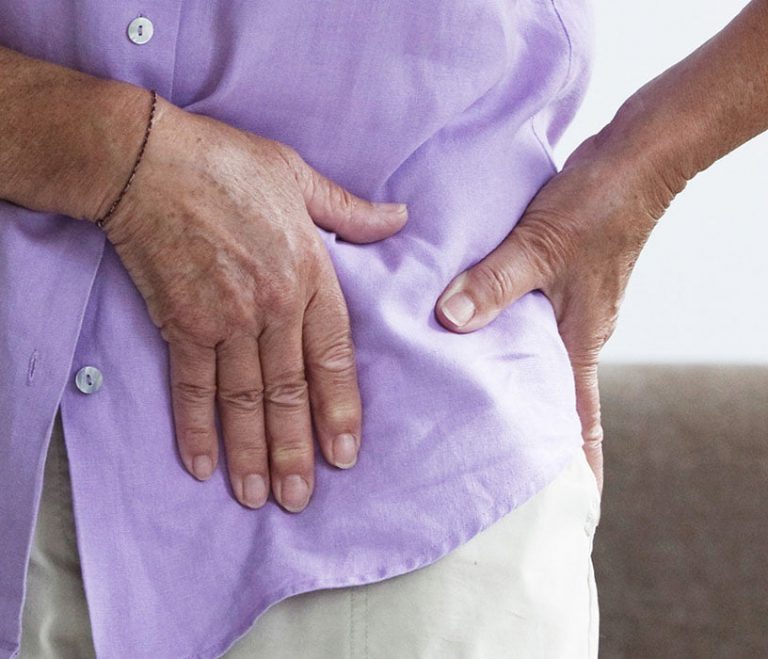
Your body often gives you clues before you notice a bigger problem
A clicking hip isn’t automatically a warning sign.
But persistent sounds accompanied by pain, stiffness, or difficulty moving shouldn’t simply be brushed aside.
Your body doesn’t always send dramatic signals when something needs attention.
Sometimes, it’s just a small change you notice while getting out of a chair.
A strange click when climbing the stairs.
Or a new sensation you’ve never felt before.
You don’t need to panic—but you shouldn’t ignore persistent changes either.
Pay attention to how your body moves today, and you may be giving yourself a better chance of staying mobile and comfortable for years to come.
This article is for general informational purposes only and is not a substitute for professional medical advice. If you have persistent pain, significant stiffness, weakness, or difficulty walking, consult a qualified healthcare professional.