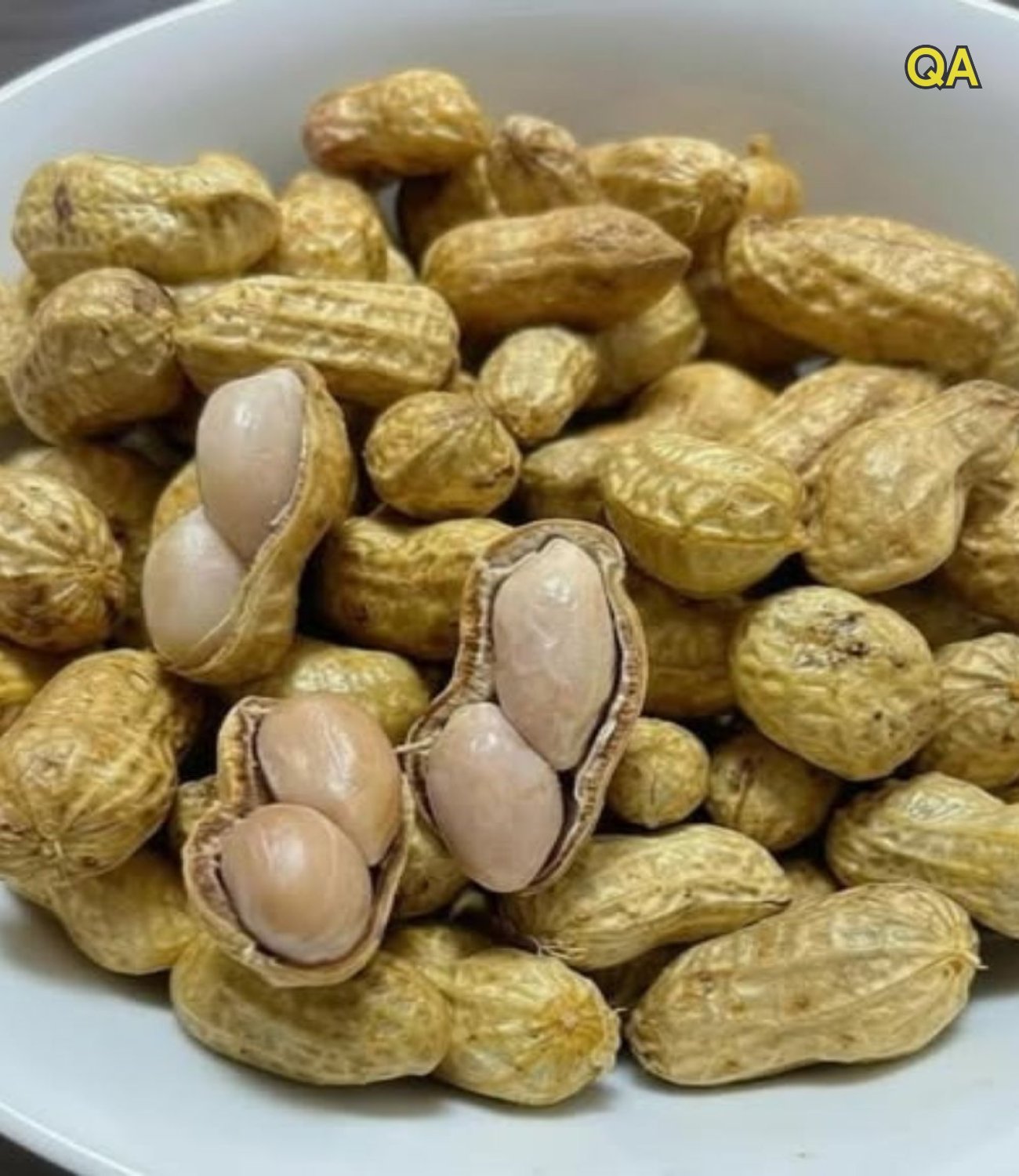
That small handful of peanuts sitting in your kitchen may be more nutritious than you think.
They’re inexpensive, filling, easy to store, and found in everything from homemade desserts to savory dishes around the world.
But peanuts aren’t just about flavor.
Despite being technically classified as legumes, their nutritional profile is surprisingly similar to that of many tree nuts. And when eaten in sensible portions, they can provide several nutrients your body needs.
What makes peanuts so nutritious?
Peanuts contain a combination of plant-based protein, unsaturated fats, fiber, vitamins, minerals, and antioxidant compounds.
They’re particularly known for providing vitamin E and several B vitamins, along with minerals such as phosphorus and iron.
That combination makes peanuts a surprisingly satisfying food.
Instead of providing mostly carbohydrates, peanuts contain protein and fat that can help you feel fuller after eating.
That’s one reason a small serving can make a convenient snack between meals.
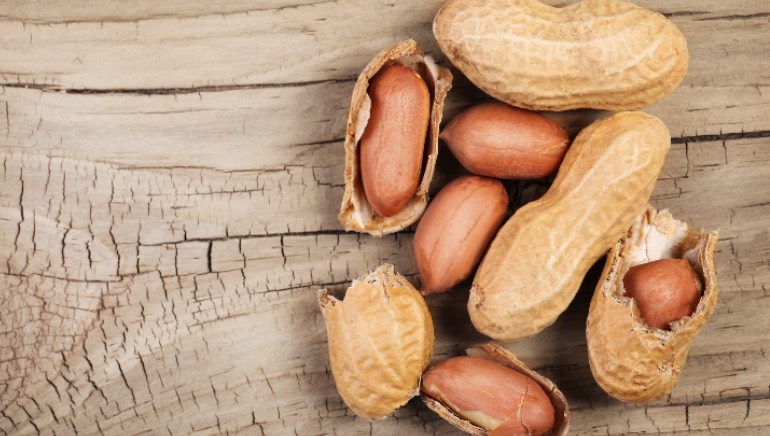
They may help you feel satisfied for longer
Ever notice that a handful of peanuts can keep hunger away longer than a sugary snack?
There’s a nutritional reason for that.
The combination of protein, fat, and fiber can contribute to feelings of fullness.
For people trying to build more balanced eating habits, replacing highly processed snack foods with a modest portion of nuts or peanuts may be a practical option.
Of course, peanuts aren’t a magic weight-loss food.
They’re also relatively high in calories, so portion size still matters.
What about heart health?
Peanuts contain predominantly unsaturated fats, which are generally considered more heart-friendly than saturated fats when they replace saturated fats in the diet.
Researchers have also studied peanuts and other nuts for their potential relationship with cardiovascular health.
But it’s important not to turn one food into a miracle cure.
Eating peanuts doesn’t cancel out an otherwise unhealthy diet.
Their potential benefits are best considered as part of an overall eating pattern that includes vegetables, fruits, whole grains, legumes, and other nutritious foods.
Peanuts can be surprisingly versatile
One of the best things about peanuts is how easy they are to incorporate into everyday meals.
You can enjoy them:
-
As a simple snack
-
Sprinkled over salads
-
Mixed into oatmeal
-
Added to stir-fries
-
Blended into peanut butter
-
Used in sauces
-
Combined with fruit or yogurt
They can add crunch, flavor, and extra nutrients without requiring complicated preparation.
But there is one important warning
For most people, peanuts can be a nutritious addition to the diet.
But for someone with a peanut allergy, they can be dangerous and should be avoided.
It’s also worth paying attention to how peanuts are prepared.
Some packaged peanut products contain substantial amounts of added salt, sugar, or other ingredients. Choosing minimally processed options can make it easier to control what you’re consuming.
And because peanuts are calorie-dense, a small serving is usually enough.
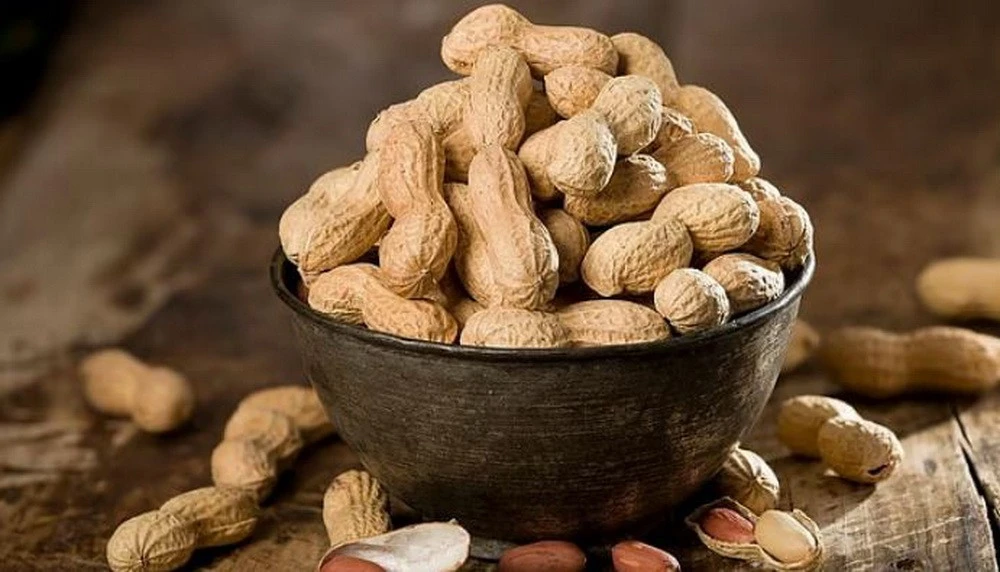
So, should you eat peanuts?
For people who aren’t allergic, peanuts can absolutely be part of a balanced diet.
They provide protein, healthy fats, fiber, vitamins, and minerals in a convenient little package.
They’re not a superfood that can solve every health problem.
But sometimes, the most useful foods aren’t the exotic ones.
They’re the affordable, familiar foods that you can realistically enjoy on a regular basis.
And peanuts may be one of those foods.
This article is for general informational purposes only and does not replace individualized medical or dietary advice.