10 Signs of Liver Problems That Are Easy to Mistake for Something Else
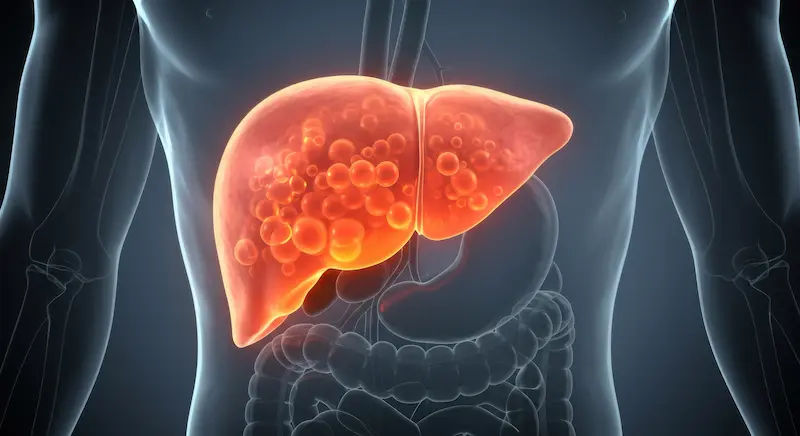
The liver is one of the body’s most important organs, yet liver problems can sometimes develop quietly.
In the early stages, some liver conditions may cause few or no noticeable symptoms. When symptoms do appear, they can be surprisingly easy to blame on something else—such as stress, poor sleep, digestive problems, skin irritation, or simply getting older.
That is why paying attention to persistent or unexplained changes in your body can be important.
Liver problems can have many causes, including viral hepatitis, alcohol-associated liver disease, metabolic conditions such as fatty liver disease, certain medications, inherited disorders, and other health conditions. Over time, ongoing liver injury can lead to fibrosis and cirrhosis, which can seriously affect liver function.
Here are 10 signs that may sometimes be associated with liver problems—but can also have many other explanations.
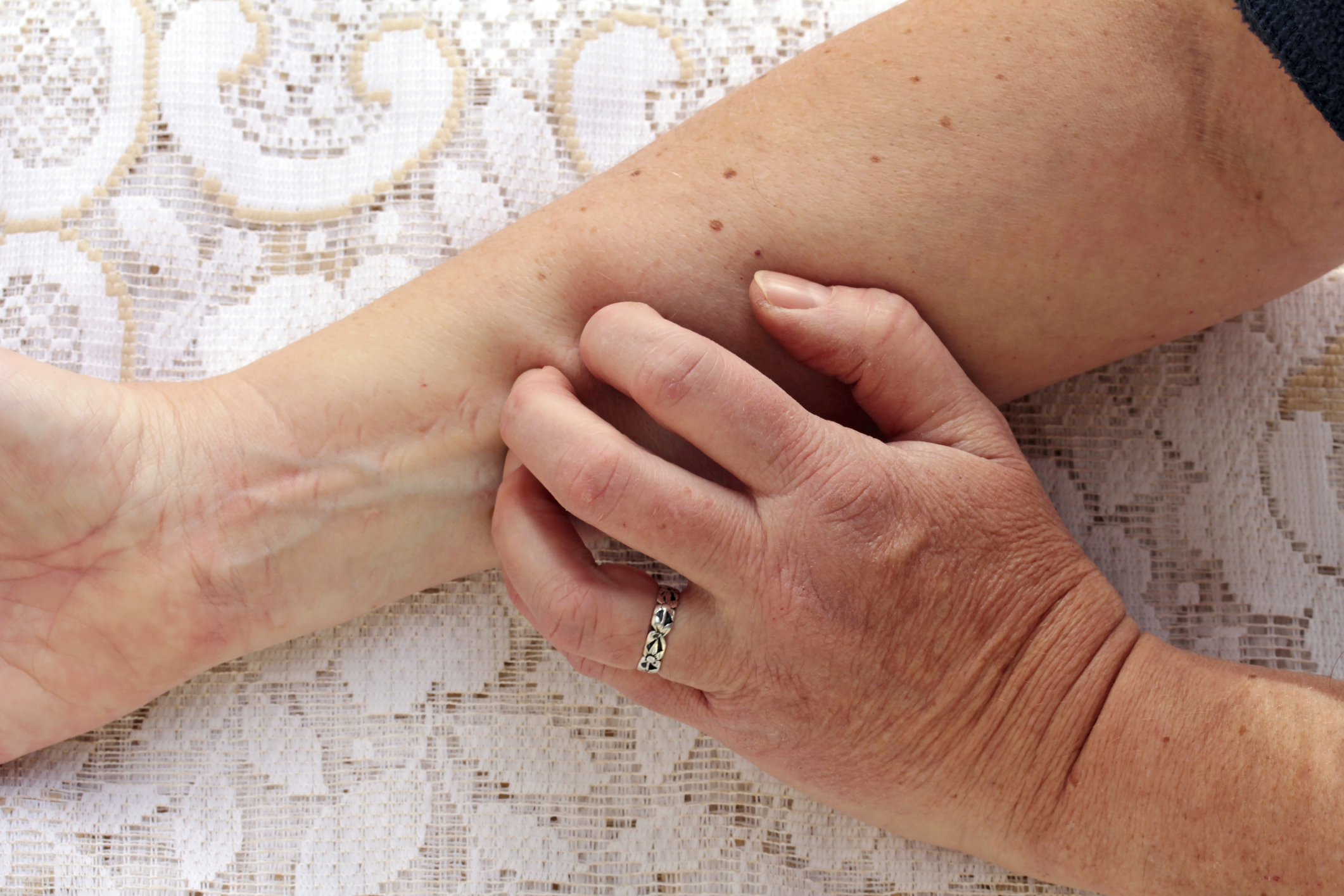
1. Persistent Itching
Itchy skin is easy to dismiss.
You might assume it is caused by dry skin, an allergic reaction, an insect bite, or a new soap or cosmetic product.
However, persistent itching can sometimes occur with liver and bile-flow disorders. Changes in the way bile is processed or transported can contribute to itching, particularly in certain liver conditions.
Not every episode of itching points to a liver problem. But if the itching is persistent, unexplained, or accompanied by other changes such as yellowing of the skin or eyes, it is worth discussing with a healthcare professional.
2. Spider-Like Blood Vessels on the Skin
Have you ever noticed a tiny red spot with small blood vessels radiating outward like the legs of a spider?
These are sometimes called spider angiomas or spider nevi.
They can occur for several reasons and are not automatically a sign of liver disease. However, multiple spider-like blood vessels can occur in people with cirrhosis and other conditions affecting the liver.
Because their appearance can be subtle, people may notice them only when looking closely at their skin.
If you suddenly develop several unusual spider-like blood vessels, particularly alongside other symptoms, consider mentioning them to your doctor.
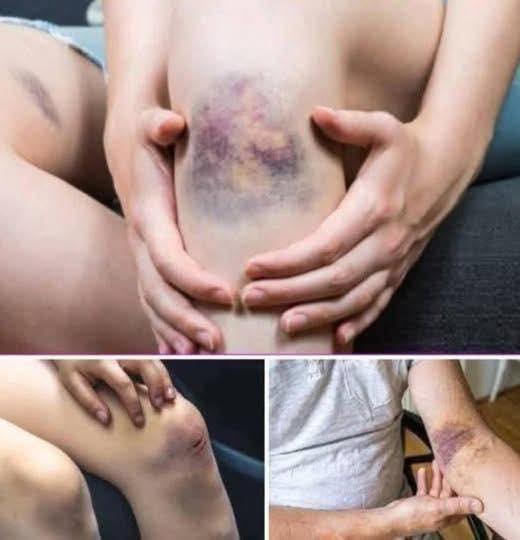
3. Bruising or Bleeding More Easily
Occasional bruises are normal.
You might bump into a table, forget about the injury, and discover a bruise several days later.
But unexplained or unusually frequent bruising deserves attention.
The liver plays an important role in producing proteins involved in blood clotting. Significant liver dysfunction can therefore contribute to problems with bleeding or easy bruising.
Of course, medications, nutritional deficiencies, blood disorders, and other conditions can also cause easy bruising.
If bruises repeatedly appear without an obvious injury, a healthcare professional can help determine the cause.
4. Persistent Nausea or Loss of Appetite
Feeling sick to your stomach does not automatically mean something is wrong with your liver.
Nausea can result from infections, medications, digestive disorders, migraines, pregnancy, anxiety, and many other conditions.
However, nausea and reduced appetite can also occur with liver disease, particularly when liver function is significantly affected.
If nausea continues for an extended period or occurs alongside fatigue, weight loss, abdominal discomfort, jaundice, or other unusual symptoms, it should not simply be ignored.
5. Redness on the Palms
Another physical change sometimes associated with chronic liver disease is redness of the palms, known as palmar erythema.
The redness may be particularly noticeable around the base of the thumb and little finger.
It is important to remember that palmar erythema is not specific to liver disease. It can occur in other circumstances as well.
Nevertheless, it is one of the physical findings doctors may consider when evaluating someone for cirrhosis or other chronic liver conditions.
A change in the color of your palms by itself cannot establish a diagnosis.

6. Dark Urine
Most people occasionally notice that their urine becomes darker, especially when they haven’t consumed enough fluids.
However, persistently dark urine can have other causes.
Liver and bile-duct disorders can sometimes cause urine to become unusually dark because of increased bilirubin in the bloodstream. This may occur together with jaundice or lighter-colored stools.
If dark urine continues despite adequate hydration—or appears together with yellow skin or eyes—it is worth seeking medical advice.
7. Pale or Unusually Light-Colored Stool
Stool color can change for many harmless reasons.
But unusually pale or clay-colored stool can sometimes indicate that not enough bile is reaching the digestive tract.
Because bile is produced by the liver and transported through the bile ducts, problems involving the liver or biliary system can affect stool color.
Persistent pale stools should therefore be evaluated, particularly if they occur together with dark urine, jaundice, abdominal discomfort, or itching.
8. Persistent Fatigue or Weakness
Everyone feels tired sometimes.
A busy schedule, poor sleep, stress, and physical exertion can all leave you exhausted.
But persistent fatigue can also occur in people with liver disease.
Chronic liver conditions may produce tiredness, weakness, reduced appetite, or unintended weight loss.
Fatigue alone is extremely nonspecific, so it should not be interpreted as proof of liver disease.
However, unexplained fatigue that continues for weeks or is accompanied by other symptoms deserves a medical evaluation.

9. Difficulty Concentrating or Confusion
Changes in concentration can easily be attributed to stress or lack of sleep.
In advanced liver disease, however, the buildup of certain substances in the bloodstream can affect brain function. This condition is known as hepatic encephalopathy.
Symptoms may include difficulty focusing, confusion, memory problems, changes in sleep patterns, unusual behavior, or drowsiness.
This is particularly important because significant confusion or a sudden change in mental state can indicate a serious complication.
If someone with known liver disease suddenly becomes confused, unusually sleepy, difficult to wake, or behaves very differently, urgent medical attention is appropriate.
10. Yellowing of the Skin or Eyes
One of the better-known signs associated with liver and bile-related problems is jaundice.
It causes the skin or whites of the eyes to develop a yellowish color.
Jaundice occurs when bilirubin builds up in the body. It can happen because of problems involving the liver, bile ducts, or other processes that affect bilirubin metabolism.
Because jaundice can have several causes, it does not automatically mean someone has liver disease.
However, new or unexplained yellowing of the skin or eyes should be medically evaluated.
Why These Symptoms Can Be Easy to Miss
One of the biggest challenges with liver disease is that symptoms are not always obvious.
Some people with chronic liver disease may have few symptoms until the condition becomes more advanced. This is especially true of certain forms of chronic hepatitis and early liver scarring.
That’s why a person shouldn’t wait for a dramatic symptom before paying attention to their health.
Routine medical care and appropriate testing can sometimes identify liver problems before significant symptoms develop.
What Can Increase the Risk of Liver Disease?
Liver disease has many possible causes.
Common contributors include chronic viral hepatitis, excessive alcohol use, and metabolic conditions associated with excess body weight, insulin resistance, or type 2 diabetes. Certain medications, inherited conditions, and other diseases can also affect the liver.
This is why prevention isn’t simply about avoiding one particular food or drink.
Maintaining a healthy weight, following recommended vaccination schedules, avoiding unnecessary exposure to blood or contaminated needles, using medications responsibly, and discussing alcohol consumption with a healthcare professional can all be part of protecting liver health.
When Should You See a Doctor?
A single symptom rarely tells the whole story.
For example, tiredness could be caused by poor sleep, while itching could result from dry skin. Dark urine could simply reflect dehydration.
The concern increases when symptoms are persistent, unexplained, worsening, or occurring together.
Consider making a medical appointment if you experience ongoing symptoms such as unexplained fatigue, persistent itching, repeated nausea, easy bruising, dark urine, pale stools, abdominal swelling, or yellowing of the skin or eyes.
Certain symptoms require more urgent attention. Severe abdominal symptoms, gastrointestinal bleeding, significant jaundice, or sudden confusion or changes in alertness should not be ignored.
The Bottom Line
Your body can sometimes provide subtle clues when something isn’t quite right.
Persistent itching, unusual bruising, spider-like blood vessels, dark urine, pale stools, fatigue, nausea, changes in concentration, palm redness, and jaundice can all occur in people with liver problems.
But none of these signs, on their own, can diagnose liver disease.
The same symptom may have many possible causes, which is why professional evaluation is important.
The good news is that some forms of liver injury can be slowed or improved when the underlying cause is identified and treated early.
So rather than trying to diagnose yourself from a symptom list, use these signs as a reminder to pay attention to persistent changes in your body—and speak with a qualified healthcare professional when something doesn’t seem right.
Your liver may work quietly in the background, but taking care of it is an important part of taking care of your overall health.
Disclaimer: This article is for general educational purposes only and does not provide a medical diagnosis or replace professional medical advice.