
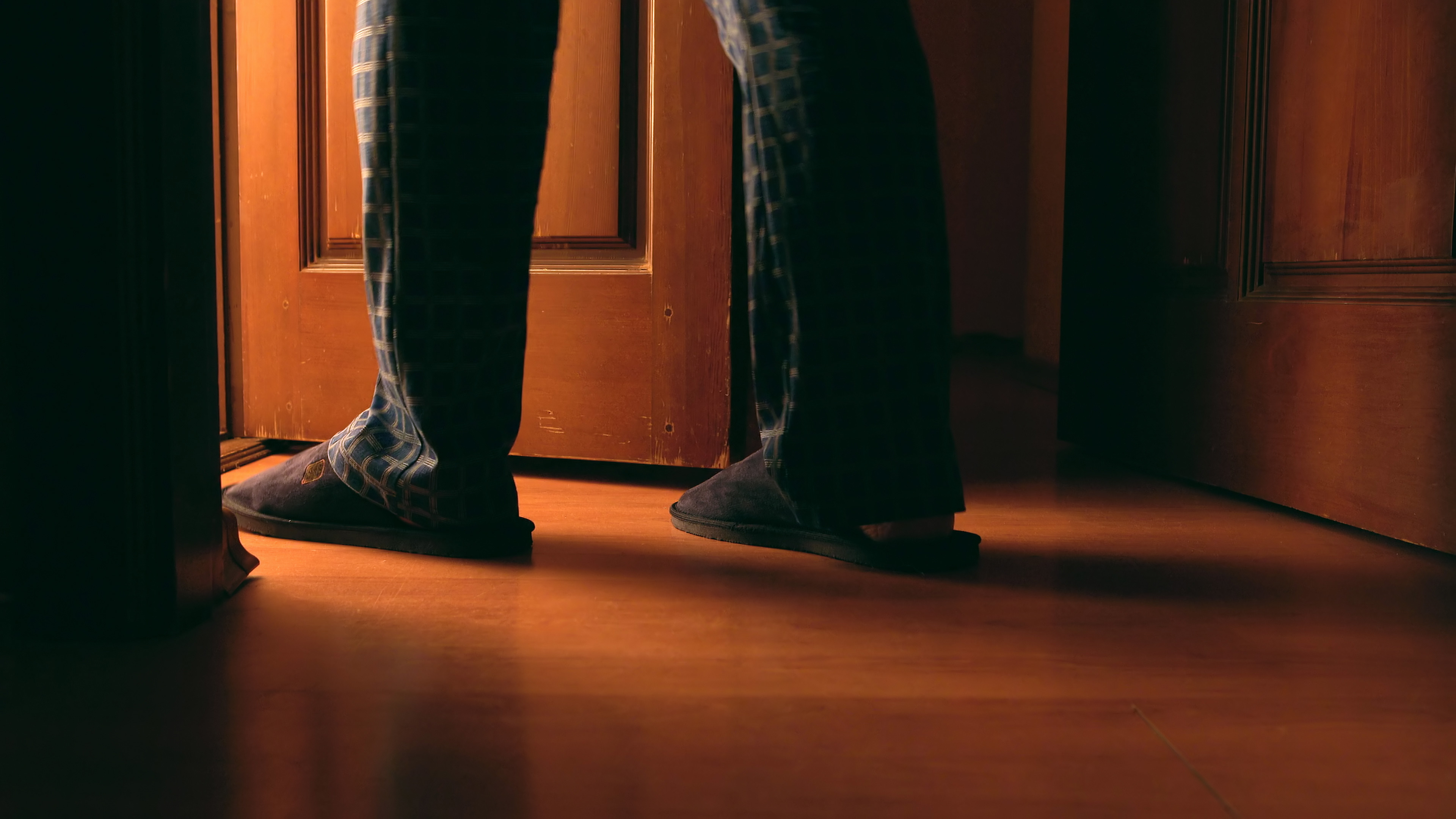
You finally fall into a comfortable sleep. The room is quiet, your mind has slowed down, and you are beginning to drift into a deeper rest. Then, sometime in the middle of the night, you wake up with the familiar urge to use the bathroom.
You tell yourself it will only take a minute.
But after returning to bed, sleep does not always come as easily. You may find yourself staring at the ceiling, checking the clock, or wondering why your body keeps waking you up.
Occasionally waking during the night to urinate is common. However, when it happens regularly, it can interfere with sleep and affect how you feel during the day. In some cases, frequent nighttime urination may also be associated with changes in the bladder, sleep patterns, medications, or other health conditions.
Understanding why it happens can help you decide when it may be worth discussing with a healthcare professional.

What Is Nocturia?
The medical term for waking during the night to urinate is nocturia.
It is generally used when a person wakes one or more times during the night specifically to pass urine. It becomes more common with age, although it can affect people of many different ages.
For some people, waking once during the night may not cause much difficulty. For others, repeated bathroom trips can make it difficult to obtain enough uninterrupted sleep.
The important point is that nighttime urination is not always caused by drinking too much water before bed. Several factors can contribute, and more than one may be involved at the same time.
Why Do You Need to Urinate at Night?
Your kidneys continuously filter the blood and produce urine throughout the day and night. Normally, the body adjusts urine production during sleep so that you can remain asleep for several hours without needing to visit the bathroom.
One factor involved in this process is antidiuretic hormone, or ADH.
ADH helps the kidneys conserve water and reduce urine production. Levels of ADH generally increase during the night, allowing the body to produce less urine while you sleep.
However, nighttime urine production can vary depending on age, fluid intake, medications, sleep patterns, and overall health.
This means that waking up to urinate does not automatically indicate that something is wrong with your sleep hormones. The relationship between sleep and nighttime urination is more complicated than that.
Common Reasons for Frequent Nighttime Urination
There are many possible explanations for nocturia. Some are relatively simple lifestyle factors, while others may deserve medical attention.
Drinking Too Much Before Bed
One of the most obvious causes is consuming a large amount of fluid shortly before going to sleep.
Water is important for maintaining normal body function, so deliberately restricting fluids is not recommended. However, if you regularly drink several glasses of water, tea, or another beverage immediately before bed, your bladder may simply fill during the night.
Caffeinated beverages can be particularly relevant because caffeine may increase urine production and can also make it harder to sleep.
Caffeine and Alcohol
Coffee, tea, energy drinks, and other caffeinated beverages can affect both urination and sleep.
Alcohol may also contribute to nighttime bathroom trips because it can influence fluid balance and may make sleep more fragmented.
If you frequently wake up at night, consider paying attention to when you consume caffeine or alcohol. Moving these drinks earlier in the day may help some people sleep more comfortably.
An Overactive Bladder
An overactive bladder can cause a frequent or sudden urge to urinate, sometimes including during the night.
People with this condition may feel that they need to visit the bathroom frequently even when the bladder is not completely full.
If nighttime urgency occurs regularly or is accompanied by daytime symptoms, discussing the pattern with a healthcare professional can help determine the possible cause.
Age-Related Changes
Nocturia becomes more common as people get older.
Several changes may contribute. Bladder capacity can change, sleep can become lighter, and the body’s regulation of fluid and urine production may also shift.
For men, prostate enlargement can sometimes contribute to urinary symptoms, including increased nighttime urination.
These changes are common, but persistent symptoms should not simply be dismissed as an unavoidable part of aging.
Certain Medications
Some medications can influence how often you urinate.
For example, diuretics are designed to help the body remove excess salt and fluid and are sometimes prescribed for conditions involving blood pressure or fluid retention.
The timing of these medications can affect when urine is produced. However, medication schedules should never be changed without speaking with the prescribing healthcare professional.
If you suddenly begin waking more frequently after starting a new medication, mention the change during your next medical consultation.
Could Frequent Nighttime Urination Be Related to Another Health Condition?
Sometimes, nocturia can occur alongside other health conditions.
Examples may include diabetes, urinary tract problems, prostate-related urinary symptoms, sleep disorders, or conditions associated with fluid retention.
For this reason, it is useful to look at the bigger picture.
Pay attention to whether nighttime urination occurs alongside increased thirst, unusually frequent daytime urination, changes in urinary flow, discomfort while urinating, swelling in the legs, or major changes in sleep quality.
These symptoms do not necessarily mean that you have a particular condition. They simply provide useful information that can help a healthcare professional understand what may be happening.
Does Waking Up to Pee Affect Sleep?
One of the biggest concerns with nocturia is not necessarily the bathroom visit itself, but the interruption to sleep.
After waking up, some people return to sleep almost immediately. Others may remain awake for a significant amount of time.
Repeated interruptions can reduce overall sleep quality and may leave you feeling tired, unfocused, or irritable the next day.
Sleep consists of several stages, including non-REM and REM sleep. Both play important roles in physical and mental restoration.
It is therefore more accurate to say that repeated nighttime awakenings can disrupt normal sleep patterns rather than claiming that nocturia is caused simply by a lack of REM sleep.

Simple Habits That May Help
If nighttime bathroom trips are becoming annoying, a few practical habits may be worth trying.
Keep a Consistent Sleep Schedule
Going to bed and waking up at approximately the same time each day can support a more stable sleep routine.
A consistent schedule may also make it easier to recognize whether nighttime awakenings are actually related to urination or another sleep disturbance.
Be Mindful of Evening Fluids
You do not need to stop drinking water in the evening. Instead, consider avoiding large amounts of fluid immediately before bedtime.
If you are thirsty, drink normally rather than deliberately becoming dehydrated.
Limit Caffeine Later in the Day
If you regularly drink coffee, tea, energy drinks, or other caffeinated beverages in the afternoon or evening, consider moving them earlier.
This may help both nighttime urination and overall sleep quality.
Pay Attention to Alcohol
Reducing alcohol in the evening may help some people experience fewer nighttime disruptions.
Alcohol can affect sleep architecture as well as fluid regulation, so its effects may extend beyond simply increasing urine production.
Exercise Regularly
Regular physical activity supports overall health and can contribute to better sleep.
However, if intense exercise makes it difficult for you to relax before bedtime, schedule demanding workouts earlier in the day.
Create a Sleep-Friendly Bedroom
A dark, quiet, and comfortable bedroom can make it easier to return to sleep after waking.
Keeping your phone away from the bed may also reduce the temptation to check messages or scroll through social media during nighttime awakenings.
Keep a Simple Nighttime Diary
If the problem continues, consider recording when you go to bed, what and when you drink, how many times you wake up, and approximately how much urine you pass.
A short record can help reveal patterns and may also give your healthcare professional useful information.
When Should You Talk to a Doctor?
Occasional nighttime urination is usually not a reason for alarm.
However, it is worth discussing with a healthcare professional if you regularly wake several times each night, if the problem is getting worse, or if it is significantly affecting your daytime energy and quality of life.
You should also seek professional advice if nighttime urination occurs alongside other persistent urinary or health-related symptoms.
A healthcare professional may ask about your fluid intake, medications, sleep habits, urinary symptoms, and medical history. Depending on the situation, they may recommend additional evaluation.
The goal is not simply to stop nighttime bathroom visits. It is to understand why they are happening and address any underlying factors when appropriate.
The Bottom Line
Waking up once during the night to use the bathroom is something many people experience. But frequent nighttime urination, especially when it happens repeatedly and interferes with sleep, deserves attention.
Nocturia can have many possible causes, ranging from evening fluid intake and caffeine to age-related changes, medications, bladder symptoms, and certain health conditions.
The good news is that identifying the pattern is often the first useful step. Simple changes to evening habits may help some people, while persistent symptoms may require professional evaluation.
Instead of automatically assuming that nighttime urination is either completely harmless or a sign of something serious, it is better to look at the whole picture.
Your sleep, hydration, medications, daily habits, and other symptoms can all provide clues.
And sometimes, paying attention to a small nighttime inconvenience is exactly what helps you take better care of your health during the day.