
She wakes up one morning and realizes something has changed.
The house is quieter than it used to be. The children who once needed her attention every hour now have lives of their own. Years of balancing family responsibilities, relationships, work, and countless everyday obligations seem to have passed much faster than expected.
Then she looks at the calendar.
Fifty.
For some people, the number can feel intimidating. In a culture that often celebrates youth, reaching 50 can sometimes be portrayed as a point when opportunities begin to disappear. But there is another way to look at it.
Across many cultures, turning 50 has been associated with wisdom, maturity, independence, and a deeper understanding of oneself. Modern research on healthy aging also suggests that getting older is not simply a process of losing abilities. It can be a period of continued learning, meaningful relationships, adaptation, and personal growth.
The idea that life somehow becomes smaller after 50 may therefore be more cultural than scientific.

Why Turning 50 Feels Like Such an Important Milestone
Age is more than a number on a birth certificate. It can also represent a collection of experiences.
By the time someone reaches 50, they may have experienced career changes, parenthood, relationships, financial challenges, unexpected opportunities, and periods of uncertainty. Each experience can influence how a person sees themselves and the world around them.
In many societies, older adults have traditionally been associated with knowledge and experience. Elders often played important roles within families and communities because their accumulated experience was considered valuable.
Modern society, however, sometimes places greater emphasis on youth, appearance, and speed. This can create the impression that getting older is something that should be resisted.
But the concept of healthy aging is considerably broader.
Healthy aging is not about remaining exactly as one was at 20 or 30. Instead, it involves maintaining the ability to live a meaningful life and participate in activities that matter to the individual.
That distinction is important.
Growing older does not automatically mean becoming incapable, disconnected, or unable to start something new.
The Cultural Meaning of Starting Over at 50
Stories about people beginning again later in life appear across cultures.
A person may change careers, return to education, travel somewhere they have always wanted to visit, develop a new hobby, or simply decide to spend more time doing things that bring meaning to everyday life.
These stories are often described as second chances, but perhaps that phrase does not tell the whole story.
Starting over does not necessarily mean that the previous decades were mistakes.
Instead, those earlier chapters may have provided the experience needed to make different decisions later.
A woman who spent years raising children, for example, may eventually have more freedom to explore interests that were previously placed on hold. Someone who spent decades building a career may decide that professional success is no longer the only measure of a satisfying life.
The possibilities are highly individual.
There is no universal formula for what life at 50 should look like.
What Science Says About Healthy Aging
Aging is a biological process, but it does not happen identically to everyone.
People of the same chronological age can have very different physical and mental abilities. Genetics, lifestyle, environment, socioeconomic circumstances, healthcare, and accumulated experiences can all influence how someone ages.
This helps explain why two people can reach 50 and feel completely different.
One person may remain physically active and energetic, while another may be managing long-term health concerns. One may have a large social network, while another may be rebuilding their relationships after major life changes.
Age alone does not tell the whole story.
Healthy aging involves many different factors, including physical activity, nutritious food choices, adequate sleep, preventive healthcare, social connection, and attention to mental wellbeing.
These habits are not magical solutions, and they cannot prevent every health problem. However, they can contribute to maintaining independence and quality of life as people grow older.
Staying Active Can Become More Important With Age
Physical activity is often associated with youth and fitness, but its importance does not disappear as people get older.
Regular movement can support cardiovascular health, physical function, sleep, mood, balance, and overall wellbeing. Strength and flexibility can also become increasingly important for maintaining independence in everyday activities.
That does not mean everyone needs an intense exercise routine.
Walking, gardening, dancing, swimming, stretching, cycling, or other enjoyable forms of movement can all become part of an active lifestyle.
The key idea is consistency rather than perfection.
Someone approaching 50 does not need to completely transform their life overnight. Small and sustainable habits may be easier to maintain than dramatic changes.
A daily walk can become valuable. Regular stretching can help maintain mobility. Simple strength exercises can support everyday activities.
The goal is not necessarily to compete with a younger version of yourself.
It is to support the body you have today.
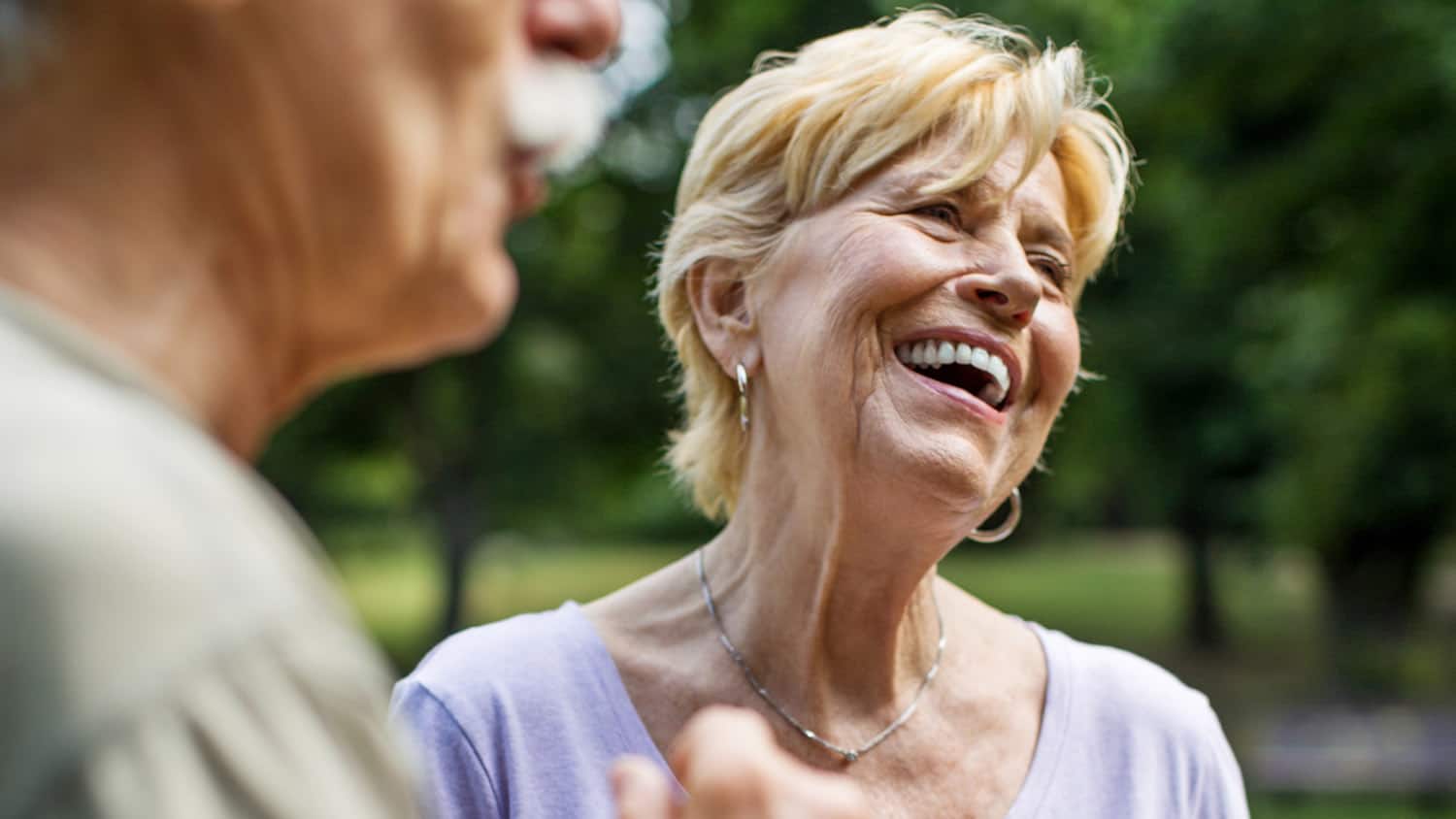
Relationships May Become Even More Meaningful
Another important part of life after 50 is social connection.
People’s social worlds can change significantly as they get older. Children may leave home, careers may change, friendships may evolve, and people may move to different communities.
These transitions can create opportunities for new relationships, but they can also make maintaining meaningful connections more important.
Social connection is closely linked with overall wellbeing. Strong relationships can provide emotional support, companionship, encouragement, and a sense of belonging.
This does not mean someone needs a huge social circle.
A few trusted friends, regular conversations with family members, participation in a community group, volunteering, or shared hobbies can all provide meaningful interaction.
For someone entering a new stage of life, relationships based on mutual respect and genuine connection may be more valuable than simply having many acquaintances.
The Myth That Life Has to Slow Down After 50
One common cultural assumption is that certain dreams have an expiration date.
People sometimes hear that they are too old to change careers, learn something new, travel, return to school, start a business, develop a new hobby, or pursue a long-forgotten interest.
There is no universal rule stating that a person becomes incapable of personal growth at 50.
In fact, later adulthood can bring opportunities that were difficult to pursue earlier in life.
Someone may finally have more control over their schedule. Children may have become independent. Financial circumstances may have changed. Years of experience may make it easier to understand what truly matters.
Of course, not every goal is equally easy at every age.
Physical limitations, financial responsibilities, family circumstances, and health conditions can influence what is realistic.
But recognizing those factors is different from assuming that age alone closes every door.
A new chapter may simply require a different strategy.
Confidence Can Look Different With Experience
Youth often involves experimentation.
People may spend years trying to discover who they are, what they want, and what kind of life feels meaningful.
By 50, many people have already learned from successes and disappointments. They may have a clearer understanding of their boundaries, priorities, values, and personal preferences.
That experience can produce a quieter form of confidence.
It may not look like constantly trying to prove yourself to others.
Instead, it can look like knowing what deserves your attention and what does not.
This may be one reason the cultural association between later adulthood and wisdom has remained so powerful. Although wisdom cannot simply be measured by counting birthdays, accumulated experience can provide perspectives that are difficult to acquire without living through different circumstances.
Being Single Does Not Define a Person’s Future
For someone entering their 50s without a romantic partner, cultural expectations can sometimes create unnecessary pressure.
There is no single correct timeline for relationships.
Some people remain single by choice. Others experience the end of a long relationship. Some eventually form new partnerships later in life.
The important distinction is between being single and being socially disconnected.
A person can be single while maintaining strong friendships, close family relationships, community involvement, and a fulfilling daily life.
Likewise, having a partner does not automatically guarantee emotional connection or happiness.
A person’s future should not be reduced to their relationship status.
At 50, there can still be room for friendship, companionship, romance, family, and many different forms of connection.
A More Balanced View of Beauty and Age
Another major cultural conversation surrounding 50 involves appearance.
Popular media has often promoted narrow ideas about what attractiveness should look like. This can make natural changes associated with aging seem like problems that need to be corrected.
A more balanced perspective recognizes that appearance changes throughout life.
Skin texture, hair color, body composition, and facial features can change naturally with age. These changes do not determine someone’s intelligence, personality, capability, or value.
There is also increasing awareness of ageism and the way stereotypes about aging can influence how people see themselves.
Instead of constantly asking how to look younger, perhaps a more useful question is:
How can I feel comfortable and confident in the person I am becoming?
That shift in perspective can make growing older feel less like something to fight and more like something to understand.
What a New Chapter Can Look Like
There is no universal checklist for life after 50.
For one person, it might mean spending more time with family.
For another, it could mean learning a language, joining a walking group, taking up photography, volunteering, traveling, or finally making time for a creative interest.
Someone else may simply want a quieter life with fewer obligations.
All of these choices can be meaningful.
Healthy aging is not about trying to recreate the life of someone decades younger. It is about maintaining the ability to participate in life in ways that matter personally.
That distinction can transform the way people think about getting older.
The goal is not to deny age.
It is to make the most of the stage of life you are actually living.
The Real Meaning of Turning 50
Perhaps the most valuable lesson about reaching 50 is that age does not have to be viewed as a closing door.
It can be a checkpoint.
A moment to recognize everything that has already happened while asking what deserves attention next.
The story of a single mother entering her 50s can be understood as a reflection of a much broader human experience rather than a claim about one particular person’s life.
People change.
Families change.
Priorities change.
And sometimes, after decades of focusing on everyone else, a person finally begins asking what they want for themselves.
That does not erase the past.
It builds upon it.
A Final Reflection on Growing Older
Human beings have always been fascinated by age because it represents more than the passage of time.
It reminds us of where we have been, what we have learned, and what might still be possible.
Perhaps that is why stories about people beginning again later in life continue to attract so much attention.
They challenge a simple assumption that the most important parts of life must happen when we are young.
Science tells us that aging is complex, individual, and influenced by far more than the number of years someone has lived. Culture gives us stories about wisdom, reinvention, family, independence, and new beginnings.
Between those perspectives lies something deeply human: curiosity.
We want to know what comes next.
And sometimes, turning 50 is not an ending at all.
It is simply the beginning of asking a new question:
What kind of life do I want to create from here?