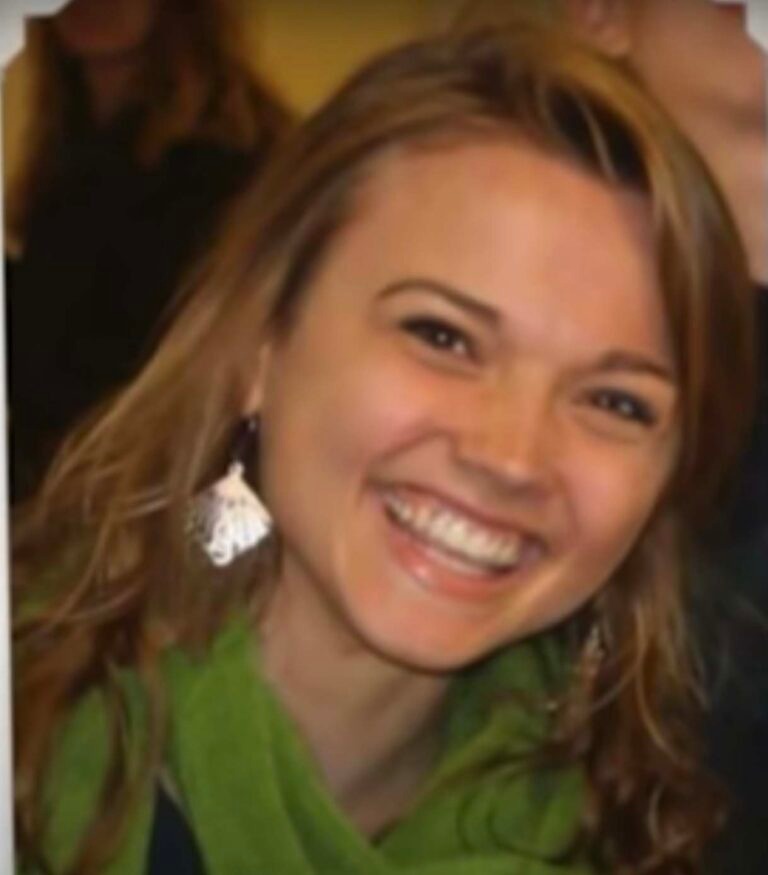
Life can change in an instant, and sometimes the most extraordinary stories begin during life’s most difficult moments. Katie Stubblefield’s journey is one of resilience, medical innovation, and the unwavering support of family, healthcare professionals, and organ donation. Her story has inspired people around the world, not because of what happened to her alone, but because of the determination she showed in rebuilding her life afterward.
Today, Katie’s experience is widely recognized as an important milestone in reconstructive medicine. It also serves as a powerful reminder of the impact that compassion, scientific advancement, and hope can have when they come together.
A Bright Future Interrupted
As a teenager growing up in Mississippi, Katie Stubblefield was known by friends and family as an energetic, caring, and hardworking student. She enjoyed spending time with loved ones and looked forward to the future.
During her senior year of high school, however, she experienced a period of emotional distress following personal challenges. Like many young people, she struggled to process overwhelming emotions during a particularly difficult time in her life.
The events that followed changed the course of her future and led to years of medical care and rehabilitation.
An Extraordinary Medical Challenge
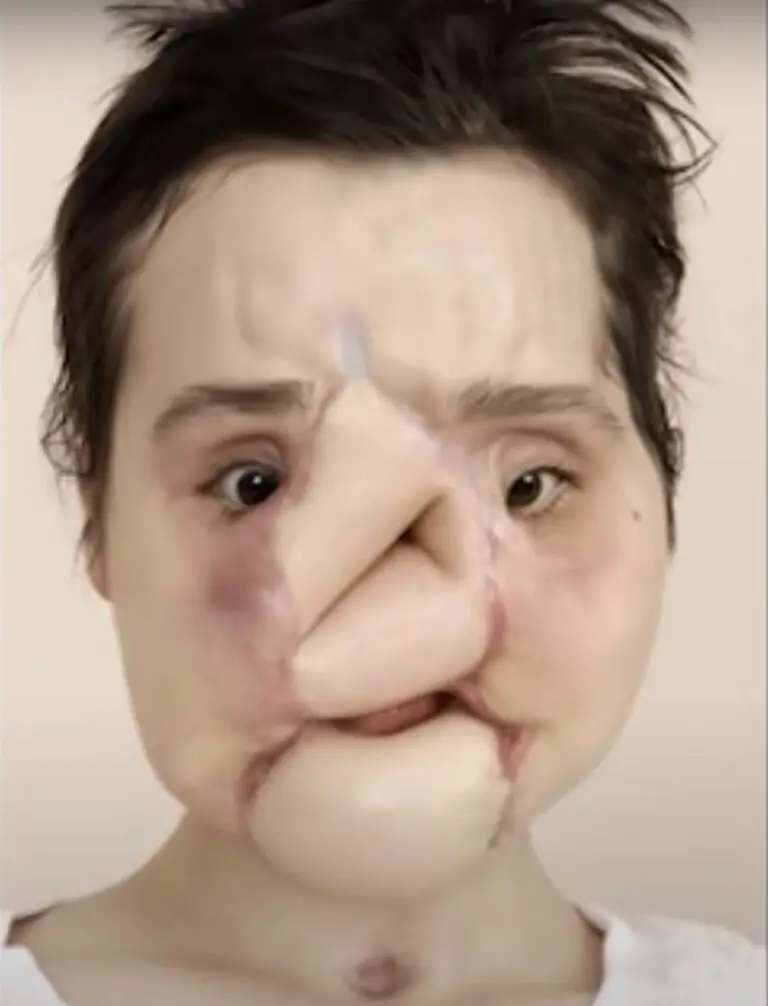
Katie survived a severe facial injury that required immediate emergency treatment.
Doctors worked tirelessly to stabilize her condition, performing numerous reconstructive procedures over the following months. Despite these efforts, specialists determined that traditional reconstruction alone would not restore many essential facial functions.
Her medical team eventually introduced the possibility of a face transplant—a procedure her family had never previously heard of.
At the time, face transplantation remained one of the most complex forms of reconstructive surgery performed anywhere in the world.
Understanding Face Transplant Surgery
A face transplant is an advanced reconstructive procedure performed only in carefully selected medical cases.
Unlike cosmetic surgery, face transplantation aims to restore important functions such as:
- Breathing
- Eating
- Speaking
- Facial movement
- Vision support
- Everyday facial expressions
The operation involves replacing damaged facial tissues with donated tissue while connecting blood vessels, nerves, muscles, and bones with remarkable precision.
Each procedure requires years of planning and collaboration among specialists from numerous medical disciplines.
A Life-Changing Opportunity
After months of evaluation, Katie was placed on the national transplant waiting list.
Eventually, the family of Andrea Schneider, a 31-year-old organ donor, made the compassionate decision to donate facial tissue after her passing. Their generosity made Katie’s transplant possible.
Medical professionals often emphasize that organ and tissue donation can transform lives, providing opportunities for recovery that would otherwise not exist.
Katie has repeatedly expressed deep gratitude toward her donor and her donor’s family for their extraordinary gift.
A Historic 31-Hour Operation
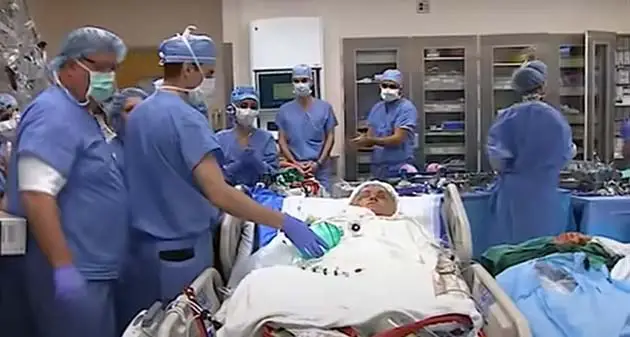
In 2017, surgeons at Cleveland Clinic performed Katie’s face transplant during an operation lasting approximately 31 hours.
The multidisciplinary team included surgeons, anesthesiologists, nurses, rehabilitation specialists, and many other healthcare professionals working together.
The transplant included multiple facial structures, allowing doctors to restore both appearance and important functional abilities.
Following the successful operation, Katie became the youngest person in the United States to receive a face transplant.
The achievement represented a significant milestone in reconstructive medicine.
The Long Road to Recovery
The surgery marked the beginning—not the end—of Katie’s journey.
Recovery involved months of rehabilitation and ongoing medical care.
Her treatment included:
- Physical rehabilitation
- Speech therapy
- Vision support
- Occupational therapy
- Regular medical monitoring
- Additional revision surgeries to improve function and healing
Learning to use newly connected muscles and nerves required patience and persistence.
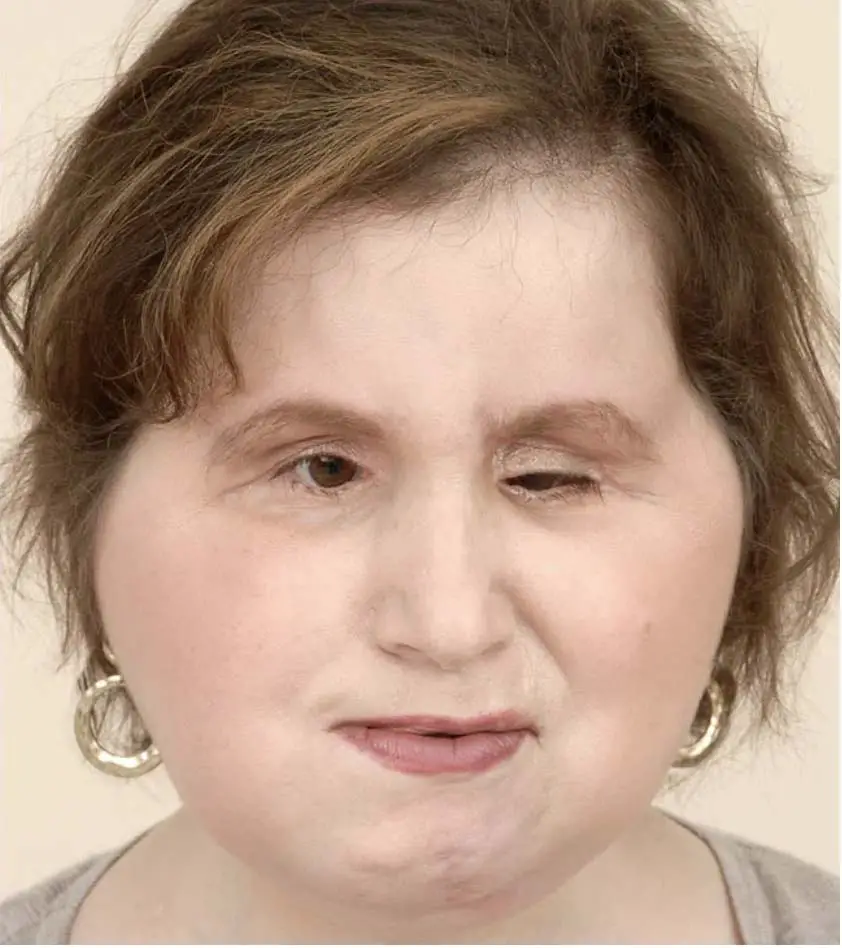
Doctors monitored her progress carefully while helping her regain everyday abilities many people rarely think about, such as smiling, eating comfortably, and expressing emotion.
Appreciating Everyday Moments
Throughout interviews following her surgery, Katie has spoken about learning to appreciate everyday experiences that many people take for granted.
Simple actions like feeling her face, smiling, or recognizing gradual improvements became important milestones during recovery.
She has often described her gratitude toward her medical team and everyone who supported her throughout the process.
Her reflections remind many readers how easily ordinary abilities can be overlooked until they become difficult.
Medical Innovation Behind the Procedure
Face transplantation represents one of the most sophisticated achievements in modern reconstructive surgery.
Each transplant requires careful matching between donor and recipient, extensive planning, and years of surgical expertise.
Medical teams also continue monitoring recipients after surgery because lifelong follow-up care is essential.
Research in reconstructive transplantation continues to improve surgical techniques, rehabilitation methods, and long-term patient outcomes.
Katie’s case has contributed valuable knowledge to the medical community and continues to be studied by specialists around the world.
A Voice for Hope
Since her recovery, Katie has shared her experiences publicly to encourage others facing difficult circumstances.
She has expressed interest in higher education and hopes to inspire people through counseling, advocacy, and motivational speaking.
Rather than allowing one chapter of her life to define her future, she has focused on growth, gratitude, and helping others understand the importance of resilience.
Her story has also encouraged conversations about mental health, emotional well-being, and the value of seeking support during challenging times.
The Importance of Organ and Tissue Donation
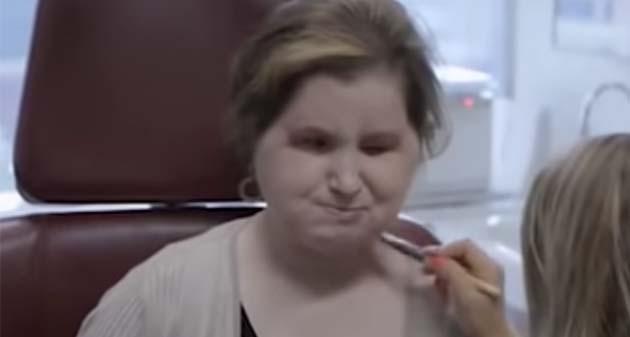
Katie’s recovery would not have been possible without the generosity of an organ donor and her family.
Medical organizations around the world note that organ and tissue donation can improve or save many lives each year.
Face transplantation remains rare and is considered only in carefully selected cases, but advances in transplantation continue expanding possibilities for patients with complex reconstructive needs.
Many healthcare professionals hope stories like Katie’s increase awareness about the life-changing impact of organ and tissue donation.
Looking Ahead
Although recovery continues long after surgery, Katie has remained optimistic about the future.
Her journey reflects not only remarkable medical progress but also the resilience that can emerge through determination, family support, and compassionate healthcare.
As reconstructive medicine continues advancing, stories like hers demonstrate what can be achieved when scientific innovation and human generosity come together.
Conclusion
Katie Stubblefield’s journey is one of the most remarkable examples of resilience and medical innovation in recent years. From facing an extraordinary medical challenge to becoming the youngest face transplant recipient in the United States, her story highlights the power of modern medicine, the generosity of organ donors, and the strength of the human spirit.
While her recovery has required years of dedication, Katie continues to inspire others through her optimism and gratitude. Her experience reminds us that even in life’s most difficult moments, hope, compassion, and scientific progress can create new possibilities. Stories like hers continue to capture human curiosity because they reveal not only what medicine can accomplish but also the extraordinary resilience people can discover within themselves.
Sources
- Cleveland Clinic. Katie Stubblefield Face Transplant Patient Story.
- National Geographic. The Story Behind Katie Stubblefield’s Historic Face Transplant.
- CNN Health. Coverage of Katie Stubblefield’s recovery and rehabilitation.
- American Society of Transplant Surgeons (ASTS). Information on vascularized composite allotransplantation.
- United Network for Organ Sharing (UNOS). Resources on organ and tissue donation.