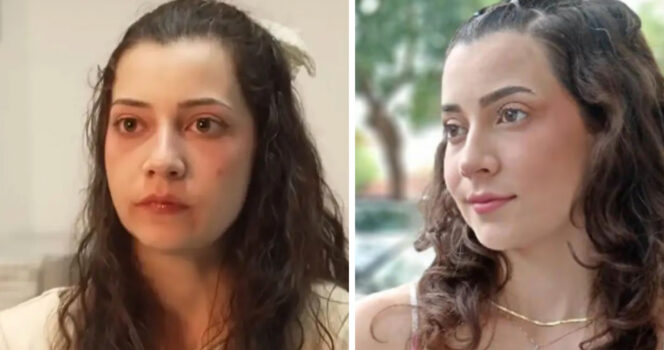
The story of Noelia Castillo Ramos has continued to draw international attention, not only because of the legal proceedings surrounding her end-of-life decision but also because of new developments reported by her family after her passing.
According to recent reports, Noelia’s mother has submitted a personal journal to Spanish authorities, saying her daughter hoped its contents would one day help clarify events she had described during her lifetime. While the journal has become part of a formal complaint, the reported allegations have not been established in court, and any investigation would ultimately determine what conclusions, if any, can be reached.
The case has sparked conversations about mental health, family relationships, access to justice, and the importance of carefully examining evidence through established legal processes.
A Story That Drew International Attention
Noelia Castillo Ramos, 25, became widely known after seeking access to Spain’s legal euthanasia process following years of significant physical and emotional challenges.
Her case received extensive media coverage because it involved complex legal questions, differing opinions within her family, and Spain’s end-of-life legislation. Court proceedings attracted attention both within Spain and internationally before the legal process concluded earlier this year.
Throughout the public discussion, Noelia spoke openly about the hardships she said had shaped her life and her reasons for making her decision.
A Personal Journal Shared with Prosecutors
According to statements made by Noelia’s mother, Yolanda Ramos, her daughter entrusted her with a handwritten journal shortly before her passing.
The journal has since been submitted to prosecutors as part of a formal complaint. According to the family, the writings describe experiences that Noelia had previously discussed publicly and include information they believe could assist authorities in reviewing the case.
At this stage, the reported contents remain allegations, and any assessment of the material would be carried out through the appropriate legal process.

Family Seeks Further Investigation
Noelia’s mother has publicly explained that she decided to provide the journal to prosecutors because she believes it reflects her daughter’s wishes.
In public statements, she said she hopes authorities will carefully examine the information contained in the journal and determine whether additional investigative steps are appropriate.
Legal representatives assisting the family have also stated that they hope the submitted materials will contribute to a thorough review by the relevant authorities.
The Importance of Due Process
Whenever new evidence is presented in connection with historical allegations, legal systems generally follow established procedures to evaluate the credibility and relevance of the material.
Investigators may consider written records alongside any available supporting evidence before deciding whether additional inquiries are warranted.
It is important to remember that allegations contained in personal writings are not, by themselves, judicial findings. Any conclusions regarding responsibility would depend on the outcome of official legal proceedings.
A Broader Conversation About Support and Reporting
The renewed attention surrounding Noelia’s story has also prompted broader discussions about the importance of support services, mental health care, and accessible reporting systems for individuals who experience traumatic events.
Advocacy organizations frequently encourage anyone affected by traumatic experiences to seek support from trusted professionals, healthcare providers, or appropriate authorities whenever they feel safe and ready to do so.
Many experts also emphasize that compassionate support networks can play an important role in helping individuals navigate difficult circumstances.
Public Response
The latest developments have generated significant discussion across news outlets and social media.
Many people have expressed sympathy for Noelia’s family, while others have focused on the importance of allowing legal institutions to evaluate the newly submitted information carefully and fairly.
The case has also renewed conversations about balancing public interest with respect for personal privacy in highly sensitive situations.

Reflecting on a Complex Story
Noelia Castillo Ramos’ story has touched on several challenging issues, including health, family relationships, legal rights, and the search for answers following deeply personal experiences.
With her family’s decision to submit her journal to prosecutors, attention has shifted toward whether the newly provided information may contribute to future legal review. As the matter proceeds, official authorities will determine what investigative steps, if any, are appropriate based on the available evidence.
Conclusion
The developments surrounding Noelia Castillo Ramos continue to resonate because they combine personal testimony, family determination, and legal questions that remain under review. While the reported journal has become part of a formal complaint, it is important to distinguish between allegations and verified legal findings as the process moves forward.
Stories like this remind us that society continues to grapple with complex questions surrounding justice, compassion, and accountability. They also reflect humanity’s enduring curiosity about difficult events and the ongoing effort to seek understanding through careful examination of the facts.
Sources
- Reuters. Reporting on Spain’s euthanasia legislation and related court proceedings.
- BBC News. Coverage of Spain’s legal euthanasia framework.
- Associated Press. Reporting on developments in the case.
- Official information from the Spanish Ministry of Health regarding Spain’s euthanasia law.