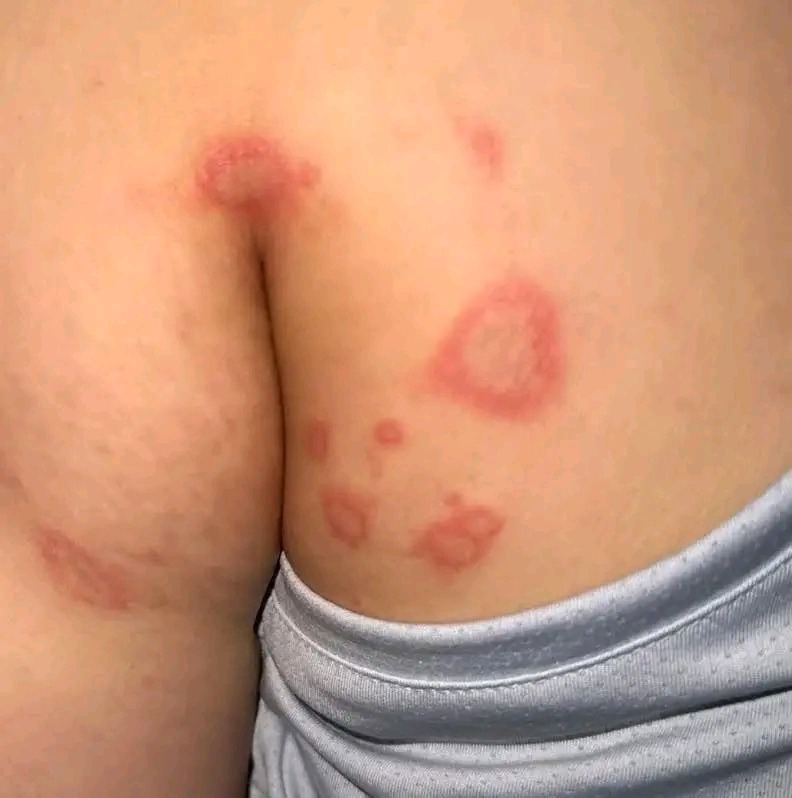
Noticing an unexpected change on the body can be worrying, especially in sensitive areas. Many people feel immediate anxiety when they discover bumps in the genital area. However, medical experts consistently emphasize that most bumps in this region are common and often harmless. Understanding the likely causes and knowing when to seek professional care can help reduce unnecessary stress and support better health decisions.
This article provides a clear, evidence-based overview grounded in guidance from reputable health organizations such as the Mayo Clinic, NHS, Cleveland Clinic, and the American Academy of Dermatology.
Why the Skin in the Genital Area Is More Sensitive
The skin around the genital area differs from skin elsewhere on the body. It contains:
- A higher number of sweat glands
- Hair follicles
- Oil (sebaceous) glands
- Areas exposed to moisture and friction
According to dermatology guidance from the American Academy of Dermatology, these factors make the area more prone to irritation, clogged pores, and minor skin changes. As a result, bumps can appear for many non-serious reasons.

Common, Non-Serious Causes of Genital Area Bumps
Ingrown Hairs
One of the most frequent causes of small bumps in this area is ingrown hair. This occurs when hair curls back into the skin instead of growing outward. The Mayo Clinic explains that shaving, waxing, or tight clothing can increase the likelihood of ingrown hairs.
These bumps often:
- Appear near hair follicles
- May be slightly tender
- Usually improve with gentle care and time
Doctors generally recommend avoiding aggressive squeezing or picking, as this can irritate the skin and delay healing.
Blocked Sweat or Oil Glands
Just like the face, chest, or back, the genital area can develop clogged pores. The NHS notes that blocked glands can form small, painless bumps, especially in warm weather or after sweating. These often resolve on their own without treatment.
Skin Irritation or Contact Reactions
Dermatologists recognize that the genital area is particularly sensitive to irritants. New products such as:
- Soaps
- Laundry detergents
- Fabric softeners
- Sanitary products
- Tight synthetic clothing
can trigger irritation. The Cleveland Clinic advises using fragrance-free products and breathable fabrics to minimize risk.
Benign Skin Variations
Some bumps are simply normal variations of the skin. For example, small glands or harmless growths can appear naturally. According to the Mayo Clinic, these do not require treatment unless they cause discomfort.
.png?branch=production)
When Bumps May Require Medical Evaluation
While many causes are harmless, medical organizations emphasize that persistent or changing symptoms should be assessed by a healthcare professional.
Doctors generally recommend seeking medical advice if bumps:
- Persist longer than a few weeks
- Change in appearance
- Become painful
- Spread or multiply
- Are accompanied by other symptoms such as unusual discharge or fever
The NHS and CDC both stress the importance of professional diagnosis rather than self-diagnosis, as different conditions can look similar on the skin.
This does not mean serious illness is likely, but it does ensure that any underlying condition is properly identified and treated.
Why Self-Diagnosis Can Be Misleading
Health professionals consistently warn against trying to diagnose skin changes based solely on internet searches. The American Academy of Dermatology explains that many unrelated skin conditions can appear similar to the untrained eye.
A trained clinician may use:
- Visual examination
- Medical history
- Simple tests if needed
to determine the cause. This process protects both physical health and peace of mind.

Healthy Habits That Support Skin Health
Medical organizations provide clear, evidence-based advice for caring for sensitive skin areas. These recommendations are widely supported by sources such as the NHS, Mayo Clinic, and Cleveland Clinic.
Maintain Gentle Hygiene
- Wash with lukewarm water
- Use mild, fragrance-free cleansers
- Avoid harsh scrubbing
Choose Breathable Clothing
- Cotton underwear
- Loose-fitting garments
- Avoid prolonged moisture after exercise
Avoid Overuse of Products
Applying too many creams, sprays, or scented products can increase irritation. Experts often recommend keeping routines simple.
Be Cautious With Hair Removal
If shaving leads to frequent irritation or ingrown hairs, alternatives such as trimming may reduce skin stress. The Mayo Clinic recommends using clean tools and avoiding dry shaving.
Emotional Impact and the Importance of Calm Perspective
Medical professionals also acknowledge the emotional side of health concerns. The Cleveland Clinic notes that anxiety about bodily changes is common, especially when the location is sensitive. However, education and professional guidance can significantly reduce fear.
Recognizing that many causes are common and treatable can help people approach the situation with calm rather than panic.
The Value of Regular Health Checkups
Routine medical care plays an important role in early detection and reassurance. Primary care providers, dermatologists, and gynecologists/urologists are trained to evaluate skin changes with professionalism and discretion.
According to public health guidance from the CDC, seeking timely medical advice is one of the most effective ways to prevent complications and maintain long-term health.
Evidence-Based Takeaways
Based on guidance from leading health organizations:
- Most bumps in the genital area are caused by common, non-serious skin issues
- Ingrown hairs, irritation, and blocked glands are frequent explanations
- Gentle hygiene and breathable clothing support skin health
- Persistent or changing symptoms should be evaluated by a healthcare professional
- Self-diagnosis can increase anxiety and should be avoided
- Professional care provides clarity, reassurance, and appropriate treatment when needed
A Balanced Message for Readers
Noticing a change on the body does not automatically indicate a serious problem. At the same time, it is wise not to ignore persistent symptoms. Medical experts emphasize a balanced approach: stay informed, stay calm, and seek professional advice when appropriate.
This perspective is consistent with the recommendations of respected institutions such as the Mayo Clinic, NHS, CDC, and American Academy of Dermatology.
Conclusion
Bumps in the genital area are a common concern, but they are often linked to everyday skin processes rather than serious conditions. Understanding the basic causes and following evidence-based care practices can reduce anxiety and support better health outcomes.
Reliable medical sources consistently encourage people to:
- Pay attention to changes
- Avoid panic
- Seek professional guidance when something does not improve
Informed awareness, rather than fear, is the healthiest response.